Istanbul airport raises jet fuel storage to 350 million litres, seven times Heathrow's, amid Iran-war supply fears
Why It MattersThe contrast between Istanbul's deep stockpile and Heathrow's pipeline-fed model shows how hub resilience now turns on whether an airport buys time through storage or relies on continuous inbound supply.
What happened
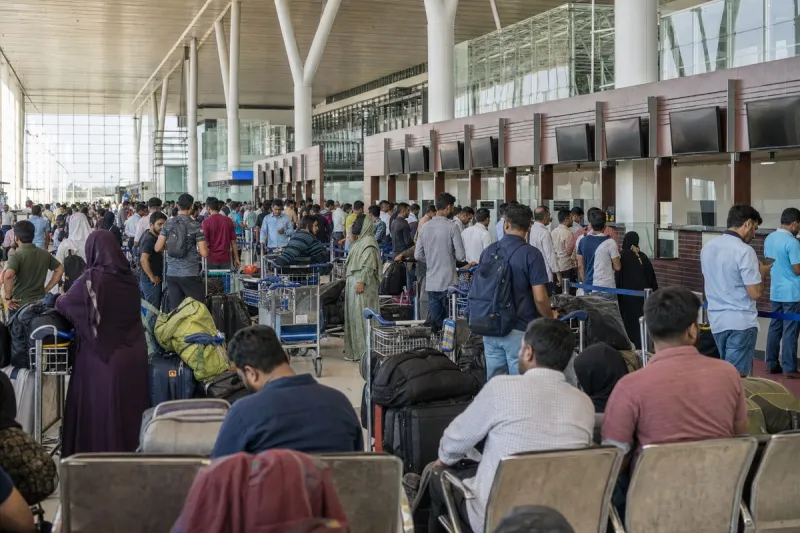
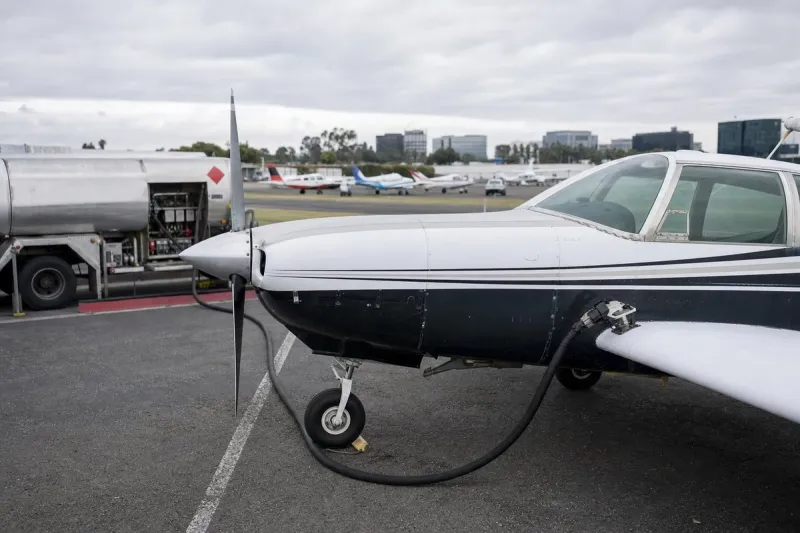
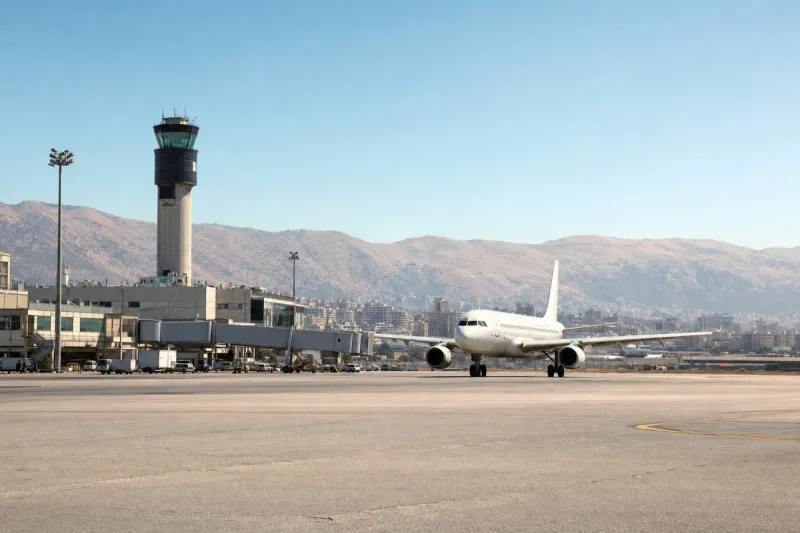
Istanbul airport has increased its jet fuel reserves to 350 million litres of kerosene at its on-site fuel farm, seven times the 50 million litres held at Heathrow. The move comes amid escalating concern over the impact of the Iran war on global fuel supplies. The stockpile is enough to sustain flights for about three weeks without topping up the tanks, compared with around three days of operations at Heathrow. Istanbul overtook Heathrow to become Europe's busiest hub in the summer.
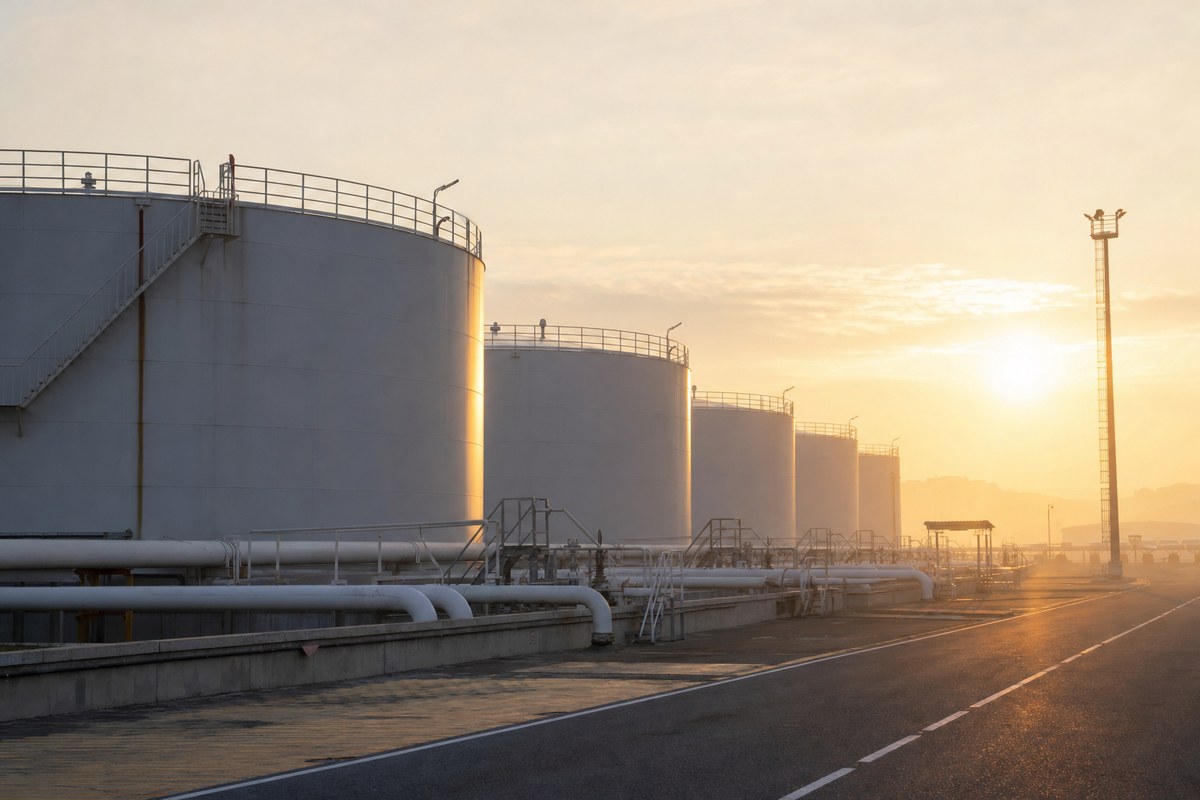
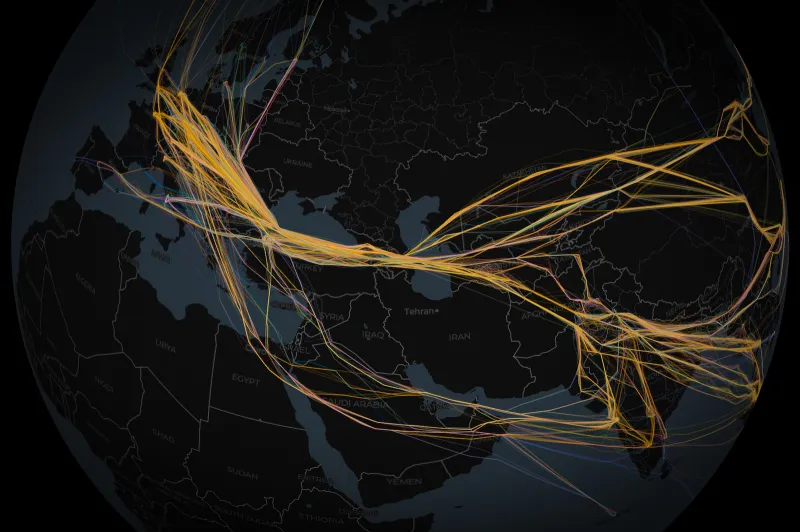
The airport has its own port, dredged to accommodate supertankers, which lets it draw fuel from around the world after exports from the Gulf were disrupted. Before the war, Europe obtained roughly half of its jet fuel from the Middle East. Istanbul also sources fuel from local refineries, including one run by Azerbaijan's state oil company, which has redirected supplies away from exports and towards Turkish airports.
Chief executive Selahattin Bilgen said the airport is monitoring a challenging situation but considers itself in a comparatively good position. He said airline fuel and hedging contracts spanning weeks or months would be largely irrelevant if supplies were severed: in a force majeure event or a problem with supply and procurement, a contract would not help. He said the ability to store fuel for an extended period and receive direct seaborne deliveries from North and South America and West Africa has also helped keep fuel prices down.
Istanbul airport opened in 2018 with storage originally designed for 50 million litres, a figure raised substantially during planning. It plans to add tanks to reach 500 million litres as it seeks to grow from around 86 million passengers this year, just ahead of Heathrow, to 120 million. Bilgen said the extra storage could be installed earlier if needed, extending reserves to more than a month.
Heathrow said its direct connections to a jet-fuel pipeline network spanning much of England give it a high degree of resilience and make stockpiling less important; it also began rail fuel deliveries in 2019. Britain has limited kerosene refining capacity, with Gulf refineries supplying up to 65% of airport requirements before the Iran conflict. Since then the UK has become the world's largest net importer of the fuel, with shipments from the US up tenfold.
The vulnerability of airports to shortages was highlighted this week when Lufthansa instructed pilots to refuel elsewhere where possible because supplies in Frankfurt were low. Frankfurt can store 186 million litres of fuel, but a pipeline suffered a drop in capacity after low Rhine water levels prevented fuel barges from navigating the river.
Industry impact & what to watch
The two airports represent different answers to the same supply risk. Istanbul holds a large physical buffer and a deepwater port that can take supertankers from several continents. Heathrow leans on pipeline links and rail deliveries, which keep fuel moving continuously but leave only days of cover on site. Each model is resilient to a different kind of disruption: deep storage rides out an interruption in supply, while a pipeline network depends on that supply continuing to arrive.
Frankfurt shows how a logistics link, not a shortage of fuel itself, can force airlines to change how they operate. When its pipeline capacity fell, Lufthansa asked pilots to refuel elsewhere, which moves fuel-loading decisions and cost onto the airline. Bilgen's point about hedges, that a contract offers no protection if physical supply is cut, helps explain why storage is being treated as an operational asset and not only a financial one. For a hub competing on traffic, with Istanbul targeting 120 million passengers, fuel security becomes part of the commercial pitch.
The next milestone is Istanbul's tank expansion toward 500 million litres, which Bilgen said could be brought forward if conditions require. Whether Heathrow's pipeline-based approach stays sufficient depends on how long Gulf supply remains disrupted and on the continued flow of US fuel, which the UK now imports at ten times the earlier volume.