89 Bangladesh–Saudi flights cancelled in four days as Houthi attacks hit operations, stranding over 14,500 passengers
Why It MattersShort-notice airspace closures on a single high-volume labour and pilgrimage corridor push cancellations across direct and hub-connected carriers at once, so rebooking capacity, not aircraft availability, becomes the binding constraint.
What happened
Figures from the Civil Aviation Authority of Bangladesh show 89 flights on Saudi routes were cancelled over a four-day period ending Wednesday, 14 October 2026. Of these, 39 were direct flights between Bangladesh and Saudi Arabia and 50 were transit services routed through third-country hubs.
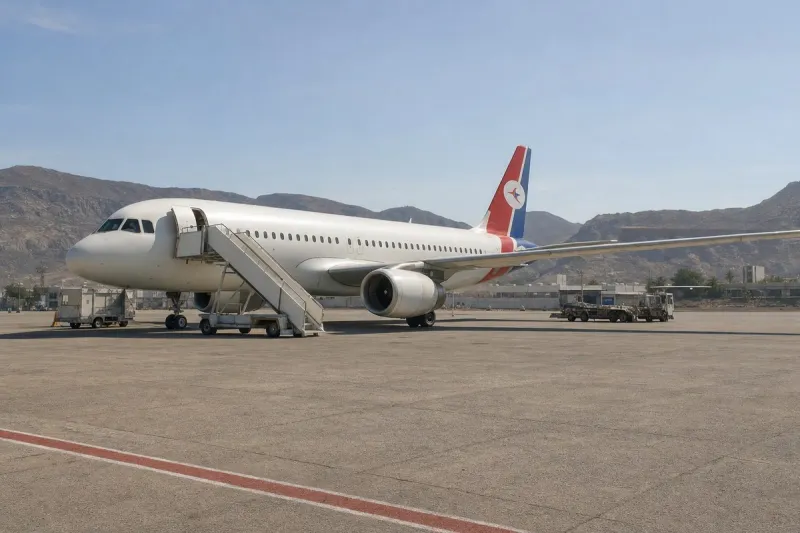
The direct cancellations comprised 17 flights by Biman Bangladesh Airlines, 10 by US Bangla Airlines, five by Saudia and seven by Riyadh Air. The transit cancellations comprised 22 IndiGo services, four SalamAir flights, one EgyptAir rotation, 11 Emirates flights, six Qatar Airways departures and six flydubai services.
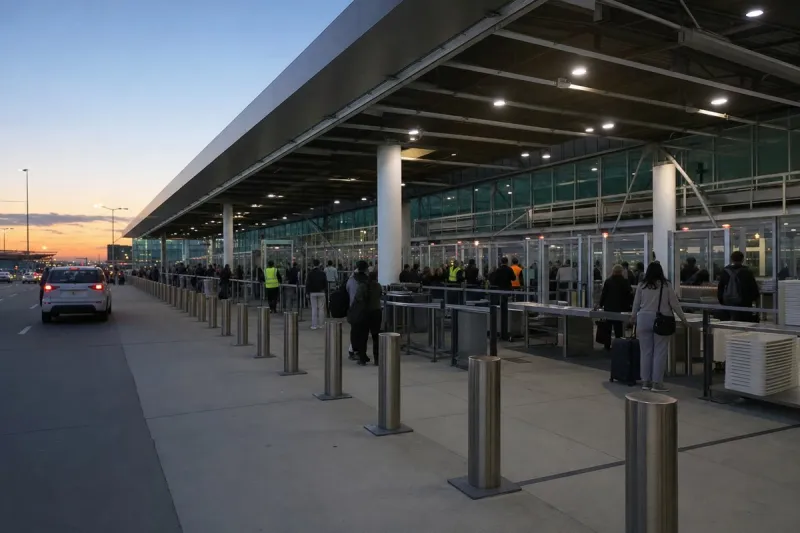
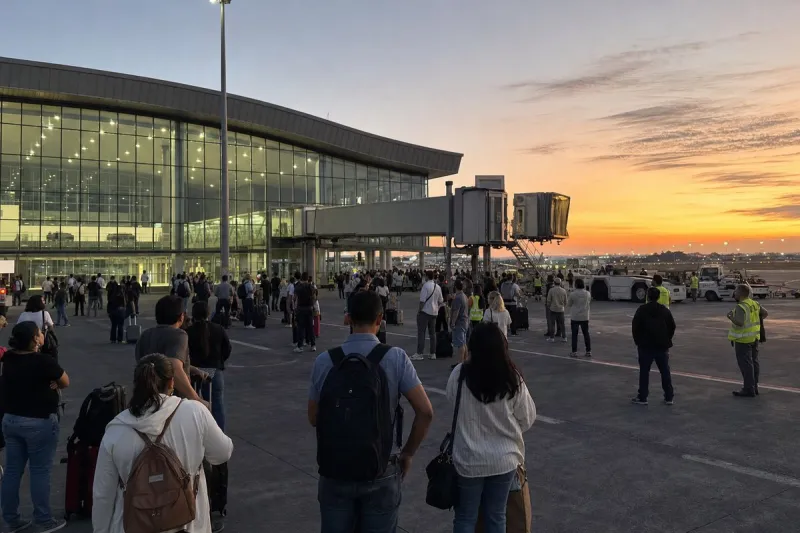
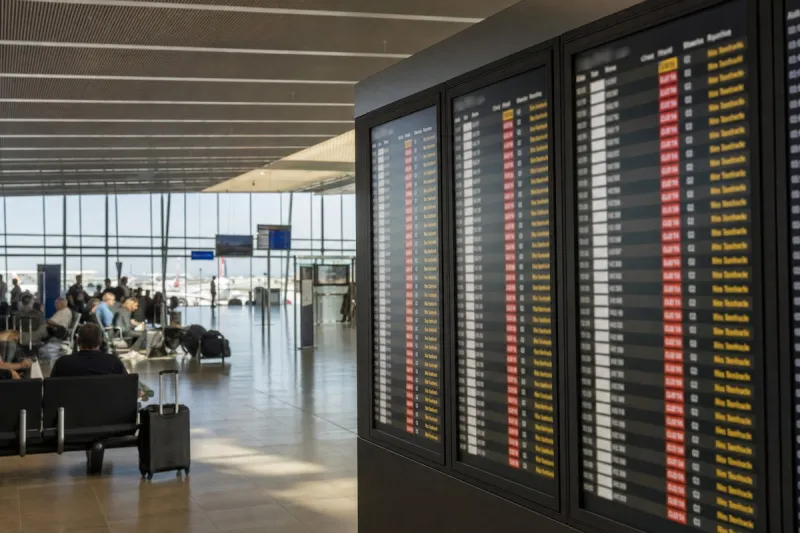
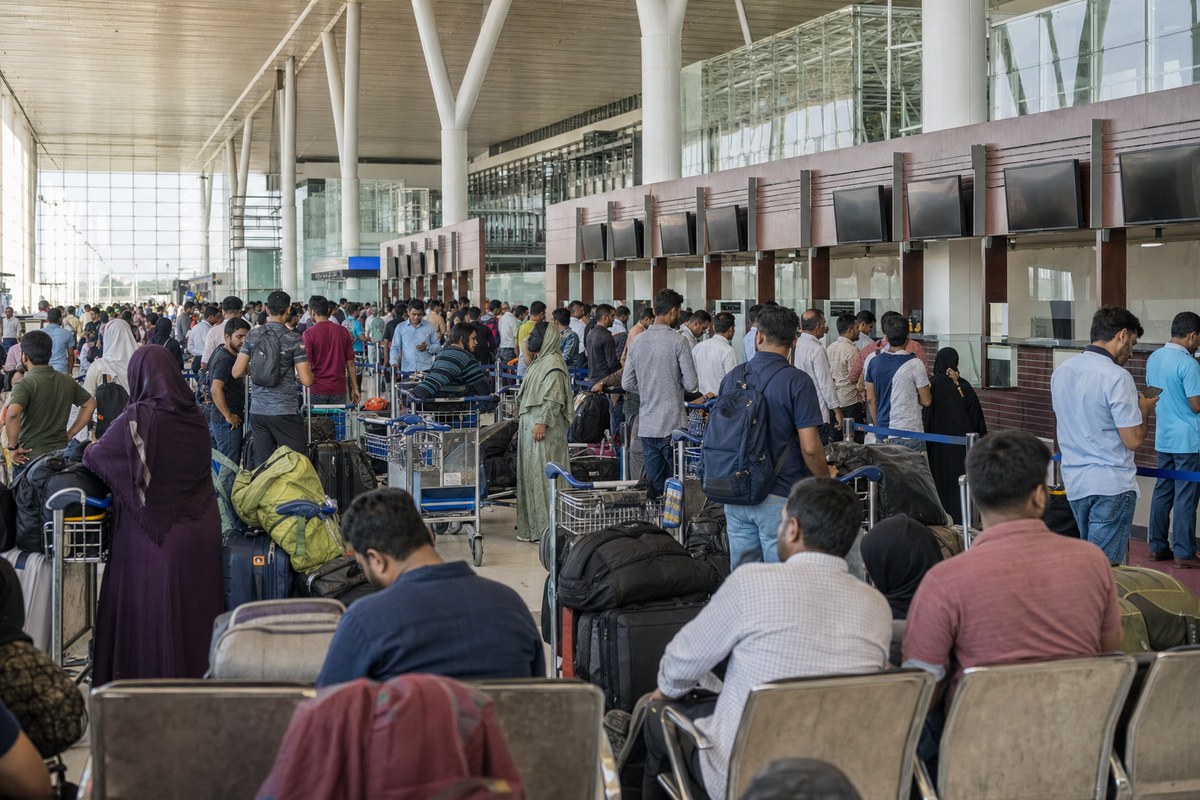
Estimates compiled from airport and airline data put the number of affected passengers above 14,500, while other published figures run to about 15,000 to 16,000 once direct and transit flights are combined. Many were already checked in or waiting at Hazrat Shahjalal International Airport in Dhaka when the cancellations were announced; others were notified through airline apps and travel agents.
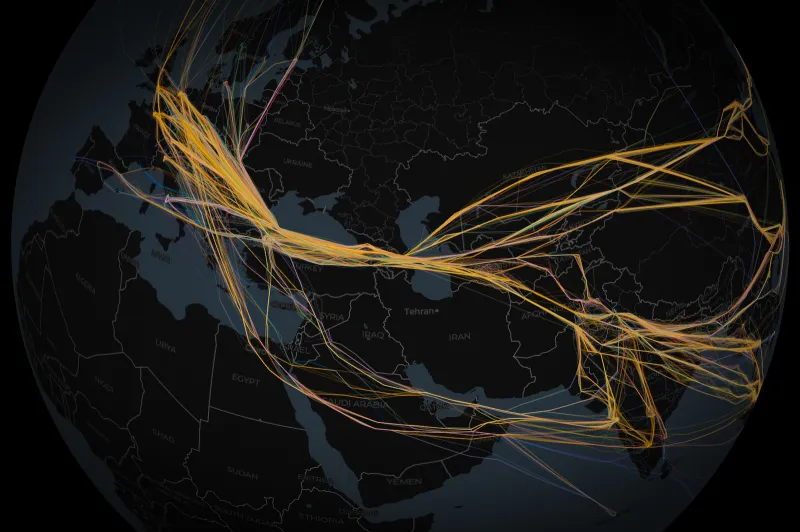
The cancellations are linked to ongoing Houthi attacks on Saudi Arabia, including strikes near Riyadh that have affected operations at King Khalid International Airport. Airspace restrictions and heightened security measures have forced airlines to suspend or reroute services at short notice, especially to Riyadh and Dammam. Biman Bangladesh Airlines has temporarily suspended flights from Dhaka to Riyadh and Dammam until at least 17 October 2026, citing passenger safety and uncertainty over arrival slots in Saudi Arabia.
Who is travelling and what carriers are offering
The Bangladesh–Saudi corridor is a major route for migrant workers, business travelers and Umrah pilgrims. Many affected travelers hold time-sensitive employment visas, while Umrah groups face disruption to hotel, transport and fixed itineraries in Mecca and Medina.
Airlines have offered a mix of rebooking, date changes and refunds. Limited seat availability on the remaining flights is extending waits for those trying to rebook.
Industry impact & what to watch
The split between 39 direct and 50 transit cancellations shows how a single security event on one end of a corridor spreads through every carrier that serves it, including those that only connect passengers through Gulf and other hubs. Carriers with different business models, from the national flag carrier to low-cost and hub-based airlines, end up exposed to the same airspace and arrival-slot uncertainty at the same time.
On a corridor dominated by labour travel and pilgrimage, the practical bottleneck is seat supply on the flights that keep operating. When many passengers are displaced at once, rebooking queues lengthen regardless of how generous a carrier's change and refund policy is, and visa validity and fixed itineraries add deadlines that airlines cannot move.
The next dated marker is 17 October 2026, the earliest point at which Biman's Dhaka to Riyadh and Dammam suspension is due to lapse. Whether it is extended depends on conditions at Saudi airports and on airspace restrictions, which would also set the pace for the other carriers' schedules.