NORAD F-16s Intercept General Aviation Aircraft Violating Temporary Flight Restriction Over Cincinnati, Ohio
Why It MattersInterceptions of this kind show that TFR compliance for general aviation is enforced with military aircraft in the air, so flight-planning discipline on restricted airspace carries direct operational and regulatory cost.
What happened
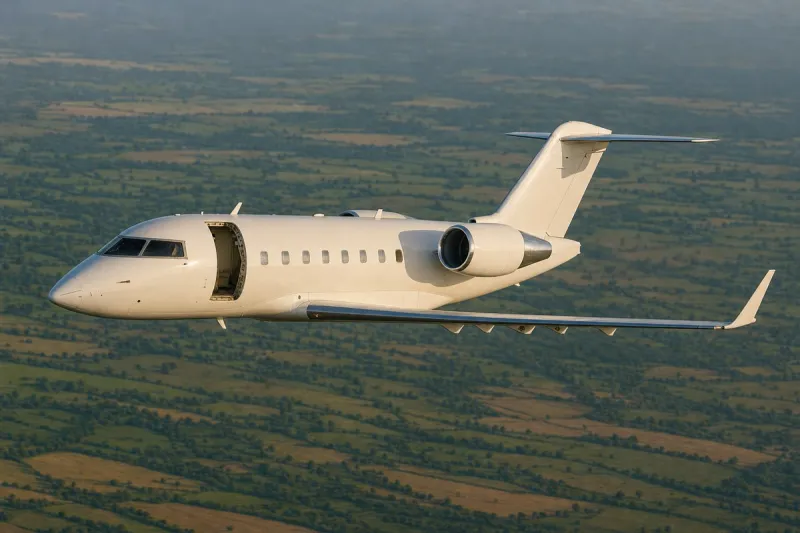
NORAD F-16 fighter aircraft intercepted a general aviation aircraft over Cincinnati, Ohio, on Oct. 17, 2026, at approximately 3:00 p.m. The aircraft was in violation of a temporary flight restriction (TFR).
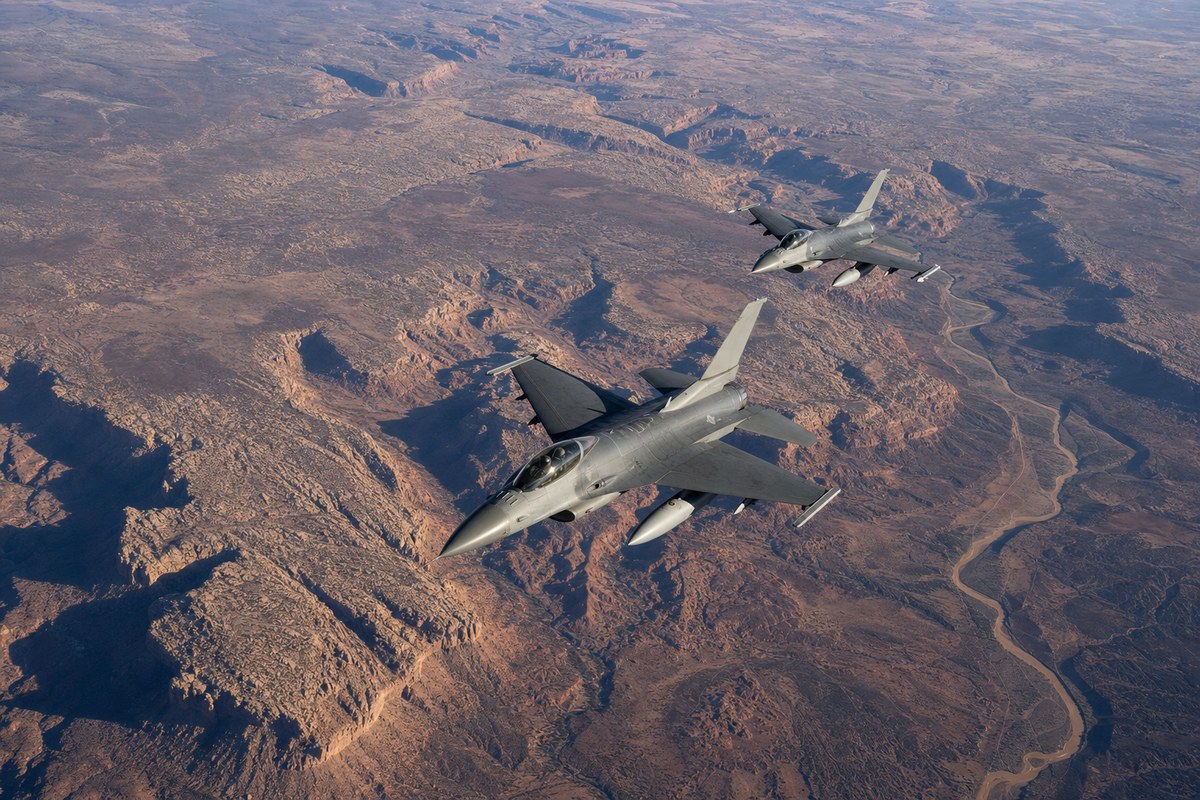
NORAD aircraft safely escorted the aircraft out of the area. The statement describes the outcome as a safe escort and gives no further detail on the aircraft or the pilot.
NORAD's guidance for pilots in this situation is to immediately come up on frequency 121.5 or 243.0 and turn around to reverse course until receiving additional instructions on one of those frequencies.
Industry impact & what to watch
An intercept by fighter aircraft is the visible end of a process that starts much earlier, with a pilot who did not check or did not absorb a TFR before departure. For general aviation, TFRs are issued for a range of reasons and can appear on short notice, so pre-flight briefing and in-flight updates are the main defence against ending up on the wrong side of one. Cases like this one keep that point in front of the whole pilot community, including business-aviation operators who share the same airspace.
The frequencies NORAD names, 121.5 and 243.0, are the guard channels, which is why monitoring them is standard practice for anyone flying near restricted airspace. A crew that is already tuned to guard and briefed on its route has the shortest path to resolving an intercept without escalation.
The next fact that would sharpen the picture is any follow-up from the aviation authorities on how the pilot is handled, since consequences for TFR violations are what shape compliance behaviour across the segment.