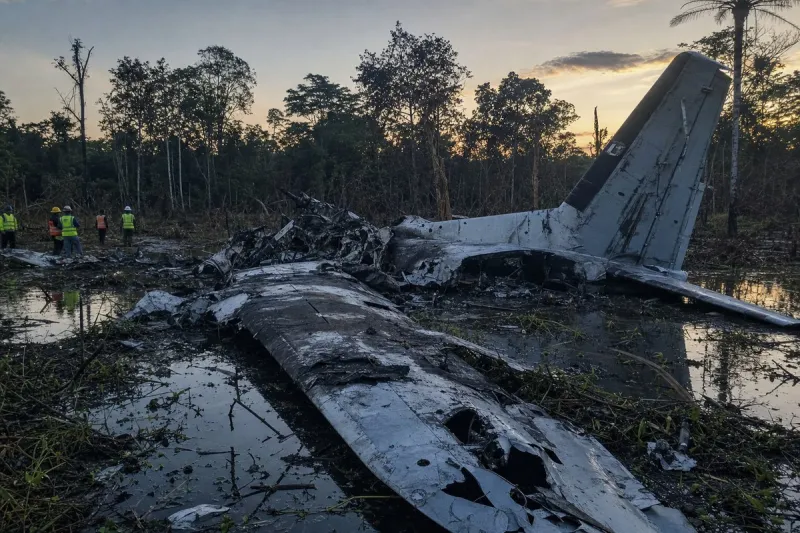
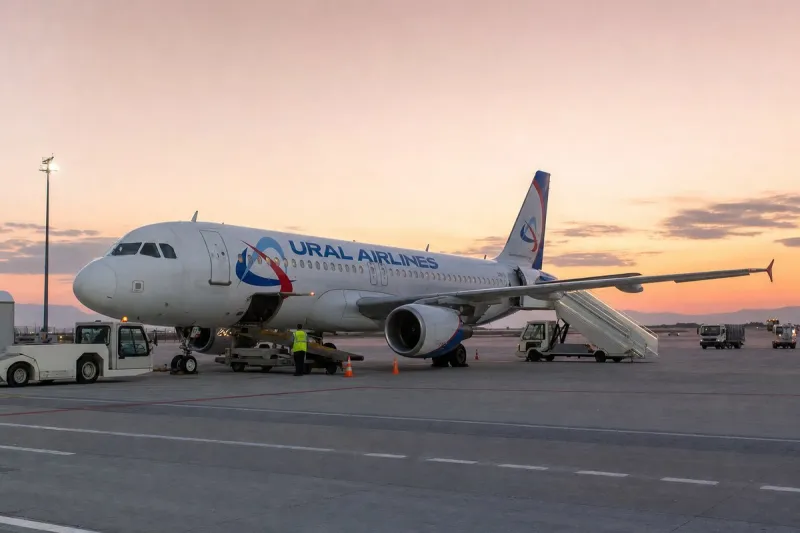
IMF Projects UAE Economy Contracting 3.9% in 2026 as Dubai Cites Dh2.1tn in Projects and Saudi Airspace Risks Disrupt Flights
Why It MattersGulf aviation is exposed to corridor risk: when a westbound airspace route narrows, schedule cancellations and macro forecasts move together, regardless of how large the long-dated infrastructure commitments are.
What happened
The International Monetary Fund's October World Economic Outlook cut its UAE growth forecast by seven percentage points, from 3.1% growth expected in April to a 3.9% contraction for 2026. It projects a 7.7% rebound next year and UAE inflation of 4.5% this year, against 1.3% in 2025. Its recovery scenario assumes the Strait of Hormuz begins reopening gradually in March 2027, with pre-conflict conditions returning by October; these are modelling assumptions, not an agreed timetable, and the IMF expects uncertainty to stay elevated through next year.
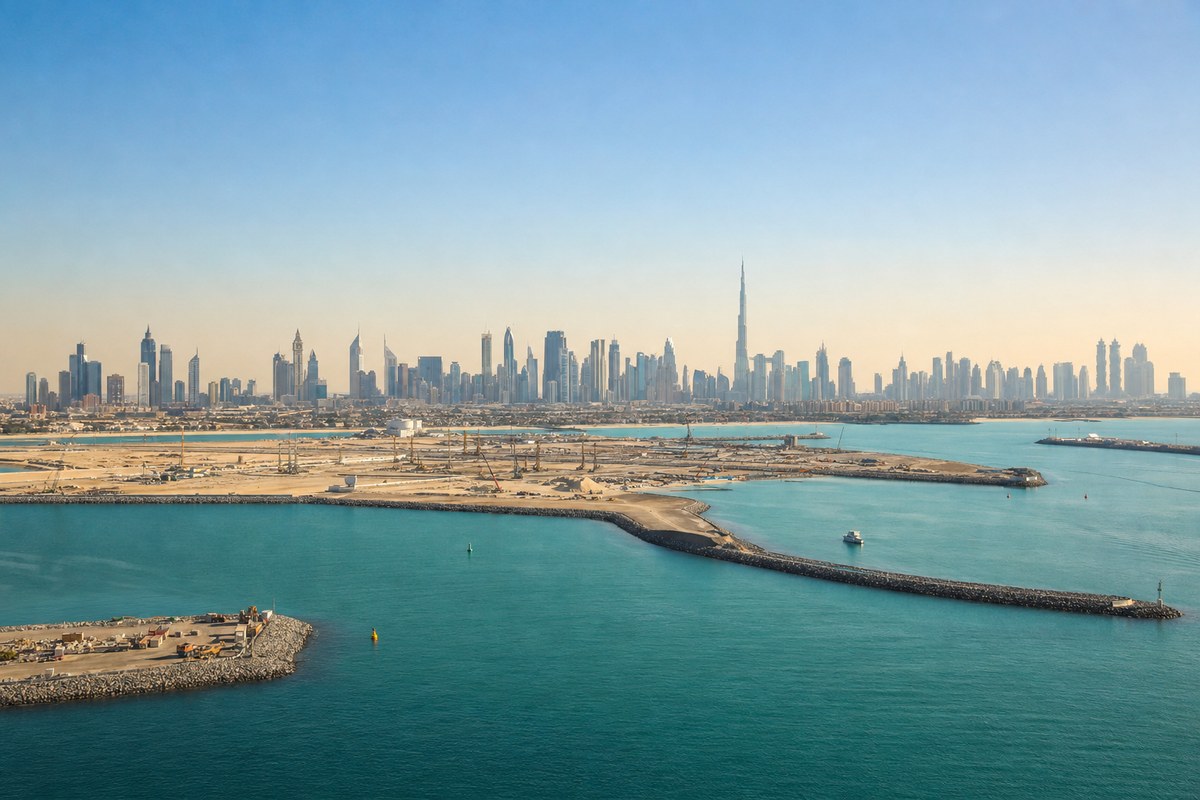
At the Mohammed bin Rashid Leadership Forum, figures put the value of Dubai projects under way at Dh2.1tn (about £432bn). They include Dh1.1tn in real estate projects through 2030, Dh128bn for Al Maktoum International Airport and Dh328bn for Emirates and flydubai fleet expansion. These are multi-year project values and commitments, and the announcement does not establish how much has been spent. Sheikh Mohammed bin Rashid wrote on X that Dubai's journey is "accelerating, not slowing down".
In a call with Saudi foreign minister Prince Faisal bin Farhan, UAE foreign minister Sheikh Abdullah bin Zayed said the UAE would support all measures Saudi Arabia takes to safeguard its security and stability. Houthi-run Al Masirah television said overnight Saudi airstrikes hit Kamaran island, Qanawis district near Hodeidah and Jawf province in Yemen; Saudi Arabia had not immediately commented, so this remains the Houthis' account. The Houthi-controlled foreign ministry also warned airlines that flights to Saudi airports were "unsafe", except those serving Mecca and Medina.
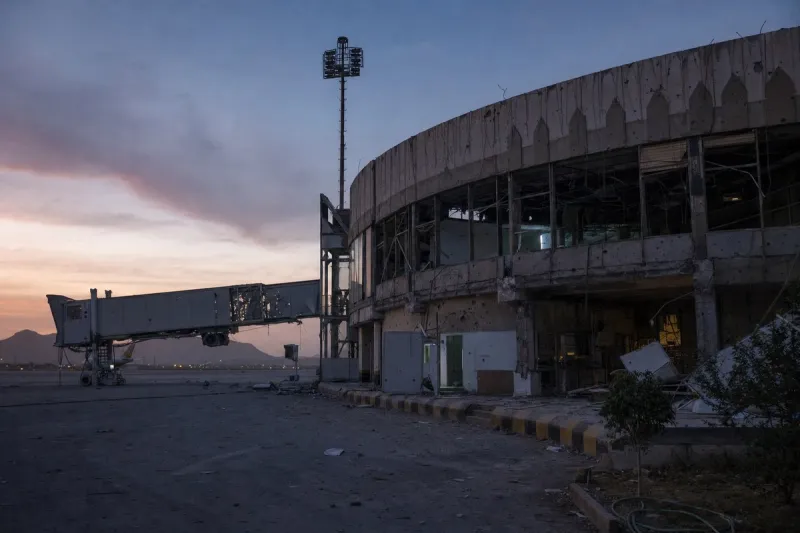
The European Union Aviation Safety Agency (EASA) recommends avoiding specified parts of Saudi airspace at all altitudes and exercising caution elsewhere in the Jeddah flight information region, citing missile and drone attacks, air-defence activity and falling debris. Saudi airspace serves as a westbound corridor for Gulf flights avoiding Iran and Iraq. Etihad has cancelled all Abu Dhabi–Riyadh and Abu Dhabi–Dammam flights through 18 October, Jeddah services EY601 and EY602 through the same date, and EY603 and EY604 until 19 October. flydubai has cancelled Saudi services.
The Arab Gulf States Institute reported that, on an Iranian panel recorded on 4 October and released on 8 October, strategist Ali Samadzadeh called for attacks on Fujairah port and the Habshan–Fujairah oil pipeline. Majid Shakeri, identified as an adviser to Iran's parliamentary speaker, said that if flights do not take off from Iran's airports, flights won't take off from the region's airports either. These remarks do not establish an announced Iranian government decision. The Institute for the Study of War says Iran appears to be targeting vessels conducting ship-to-ship oil transfers.
Industry impact & what to watch
The pairing in this story is the useful part: a forecast that assumes disruption fading by October 2027, and airline schedules that are being cancelled day by day now. Gulf carriers and charter operators route westbound traffic through Saudi airspace precisely because the alternatives over Iran and Iraq are closed to them. When that one corridor carries a warning at all altitudes in part of the Jeddah flight information region, the effect shows up in cancellations before it shows up in any statistic.
For business aviation, the same geometry applies to any flight planned between the Gulf and Europe or Africa. Routing, overflight permits, insurance terms and fuel planning are all tied to which parts of that airspace remain usable, and a recommendation from EASA tends to feed straight into operators' own risk assessments, regardless of whether any national authority closes anything. The Dh2.1tn of Dubai commitments, including Dh128bn for Al Maktoum International Airport, describes long-run capacity; it says nothing about near-term access, and the two should not be read as one signal.
The next concrete markers are dated: Etihad's cancellations run to 18 and 19 October, and the IMF's recovery path hinges on a gradual Hormuz reopening beginning in March 2027. Saudi Arabia's response to the Houthi claims is the statement that would carry the most weight on whether the airspace warnings widen or ease.