Alexandria Council Approves $98,500 Airport Security Gate Upgrades, Plans Fuel Card Reader Replacement
Why It MattersSmall municipal airports tend to fund access control and self-serve fuel reliability through capital improvement plans and state cost-sharing, which shapes how they serve after-hours general aviation traffic.
What happened
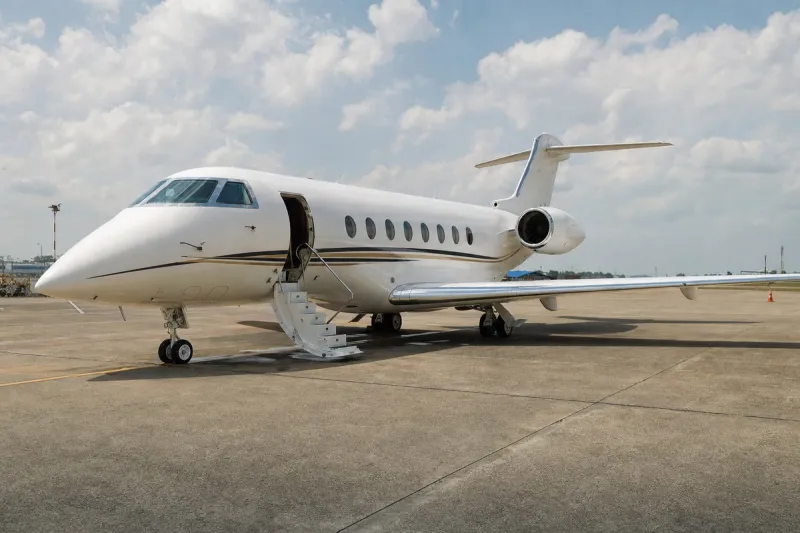
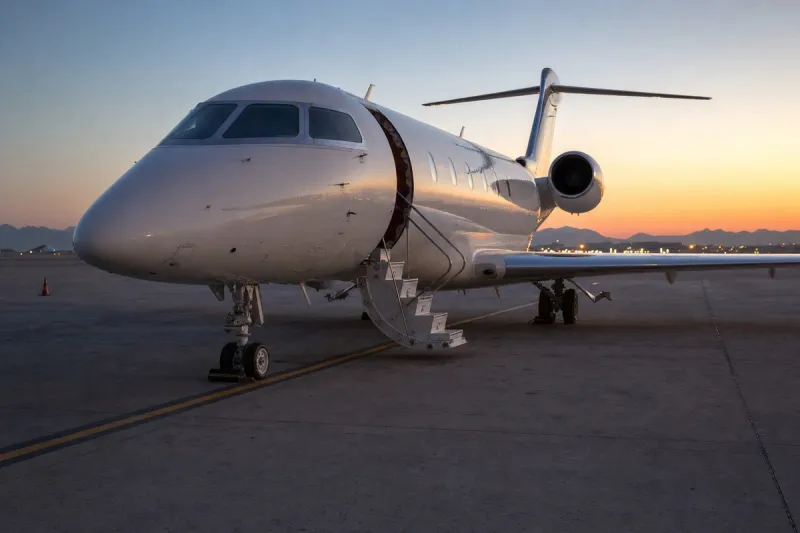
The Alexandria City Council accepted a $98,500 quote from Alexandria Electric at its Monday meeting to improve security gates at Alexandria Airport. City Engineer Brian Yavarow said in a memo to the council that the airport property has perimeter fencing but also seven unrestricted access points, which he described as a safety concern for the general public and aircraft operations. Security at the airport has been a property and pilot safety concern for years and is part of the airport's capital improvement plan.
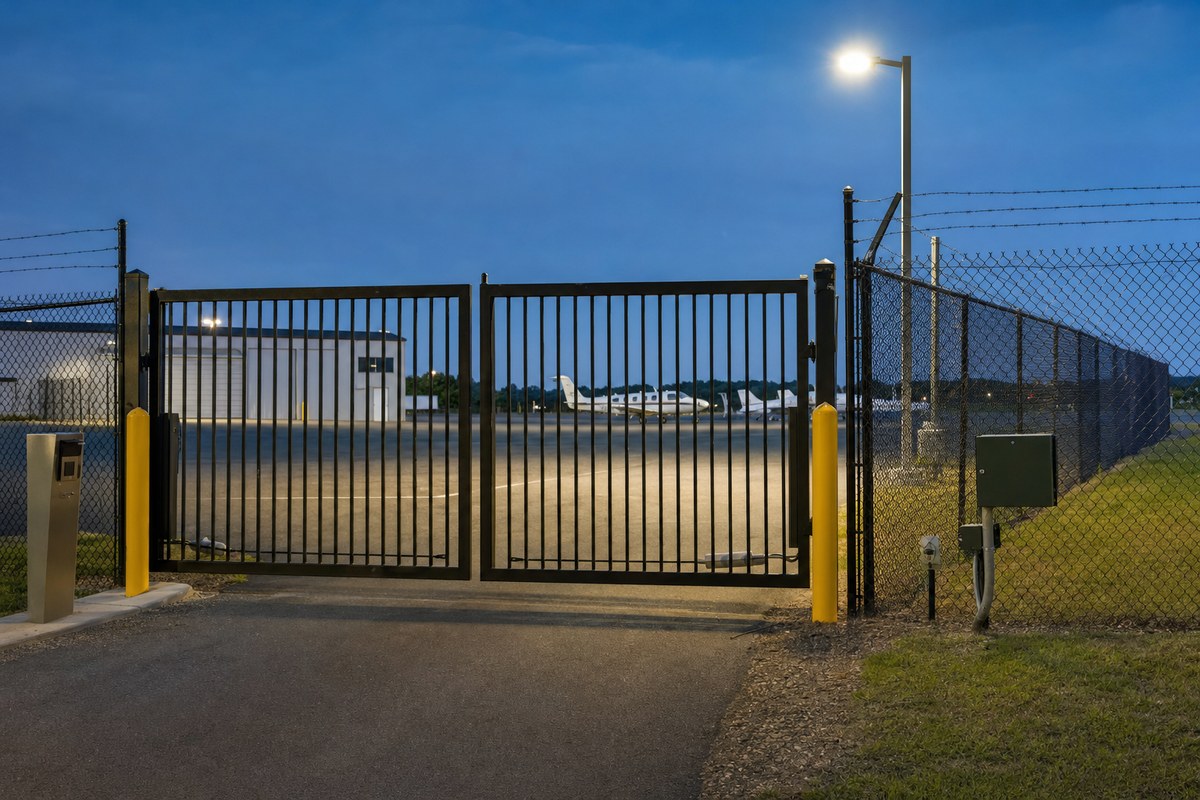
The gate work consists of replacing inoperable electronic closures, replacing damaged gates, installing new openers in place of manually operated gates, and/or relocating and installing fencing with a new electronic closure. Earlier estimates ranged from $98,000 to $110,000. Funding comes from the airport development 406 fund ($65,000) and the city CIP fund ($35,500). The $98,500 figure is a base bid with an alternative, for a project that includes underground work, infrastructure upgrades and materials for $26,000.
The airport will also receive an upgrade to its fuel system credit card reader. Yavarow said the reader now accepts a card only 1 to 2 times out of 10 swipes, and complaints are increasing for early morning flights, weekends and evenings, outside normal FBO business hours. The estimated cost is $23,636. The state classifies the project as a revenue-generating facility and proposes a 60/40 cost-participation rate rather than the traditional 70/30. The local share of $9,454.40 is proposed to come from the airport development 406 fund.
Last month the council accepted a Border States material quote of $74,028.53 to replace the existing 55-lamp metal halide lighting system with 49-bulb LED stadium lighting fixtures, and the materials have been ordered. The base bid includes an alternate for relocating the LED lights closer to the bottom of each light tower, eliminating the need to climb the towers for maintenance.
Industry impact & what to watch
Access control at small municipal airports is usually paid for in increments, through a capital improvement plan and a mix of local and state money, rather than as one large security program. Alexandria's seven open access points and its fuel reader both sit in that category: modest line items that determine whether an airfield is safe to leave aircraft on and whether a visiting pilot can buy fuel outside FBO hours.
The fuel reader matters for a segment that depends on self-serve sales. When a card works one or two times in ten, the failures land on early-morning, weekend and evening operations, which are the periods when no FBO staff are on hand to help. The state's treatment of the project as revenue-generating, with a 60/40 rather than 70/30 cost split, shows how cost-sharing formulas shift the local burden when a facility is expected to earn its own money.
The next concrete step is the state's cost-participation rate for the fuel reader, which the council has so far only proposed at 60/40, with the $9,454.40 local share drawn from the airport development 406 fund.