Saudi Arabia and Houthis Exchange Strikes on Riyadh and Sanaa Airports
Why It MattersRecurring strikes on capital-city airports in the region underscore how exposed commercial aviation infrastructure remains to cross-border conflict, keeping advisories and risk assessments in constant flux.
What happened
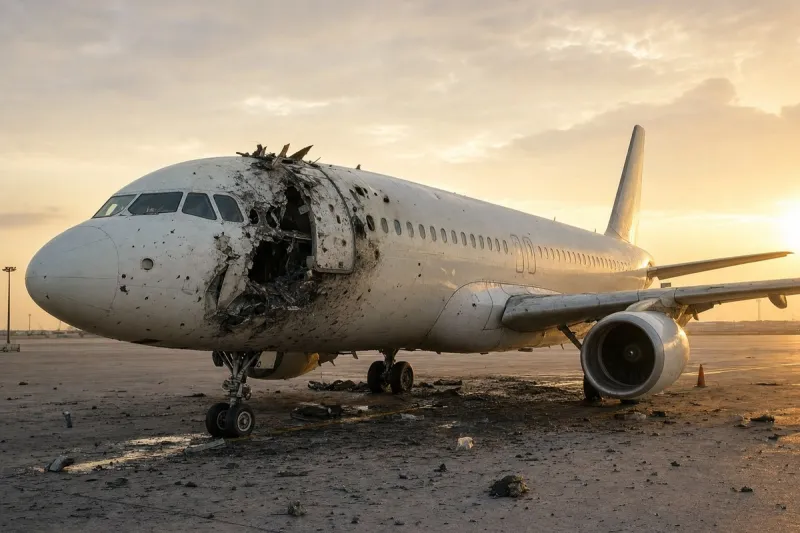
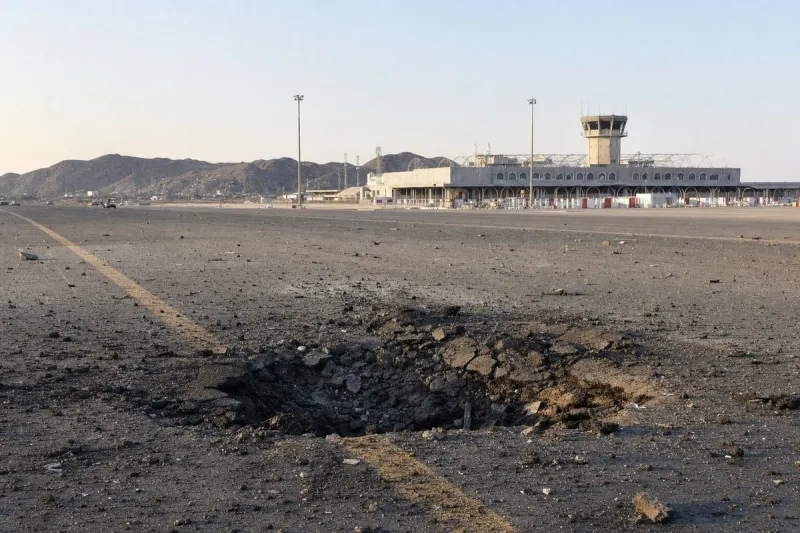
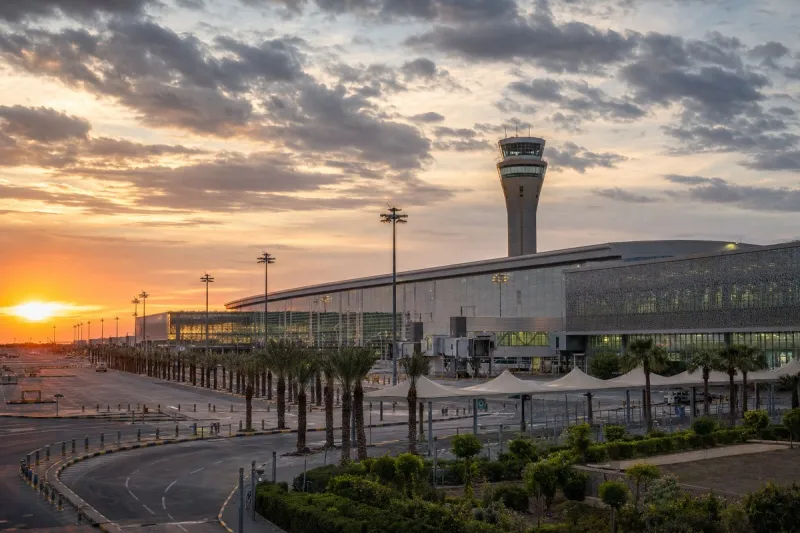
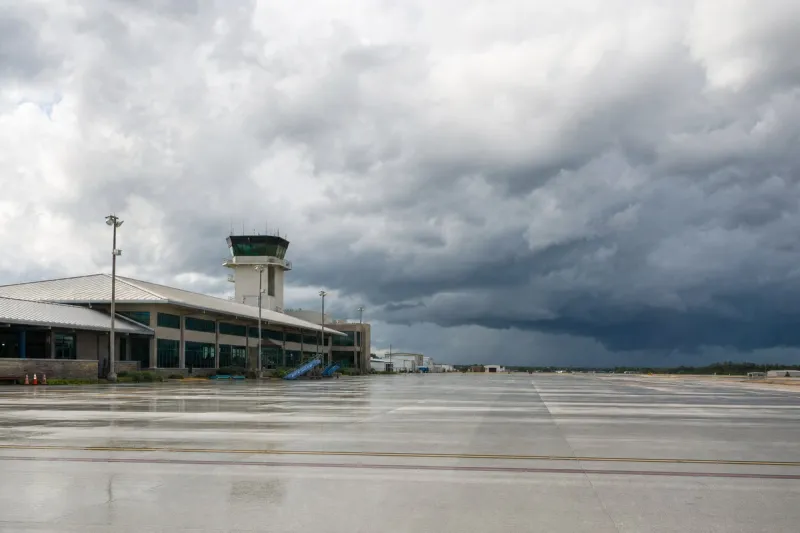
An explosion struck Riyadh's airport on Saturday, two regional officials told The Associated Press, as Saudi Arabia and Yemen's Iran-aligned Houthi rebels exchanged attacks on each other's capitals' airports. The Houthis reported four strikes on the airport in Sanaa, Yemen's capital.
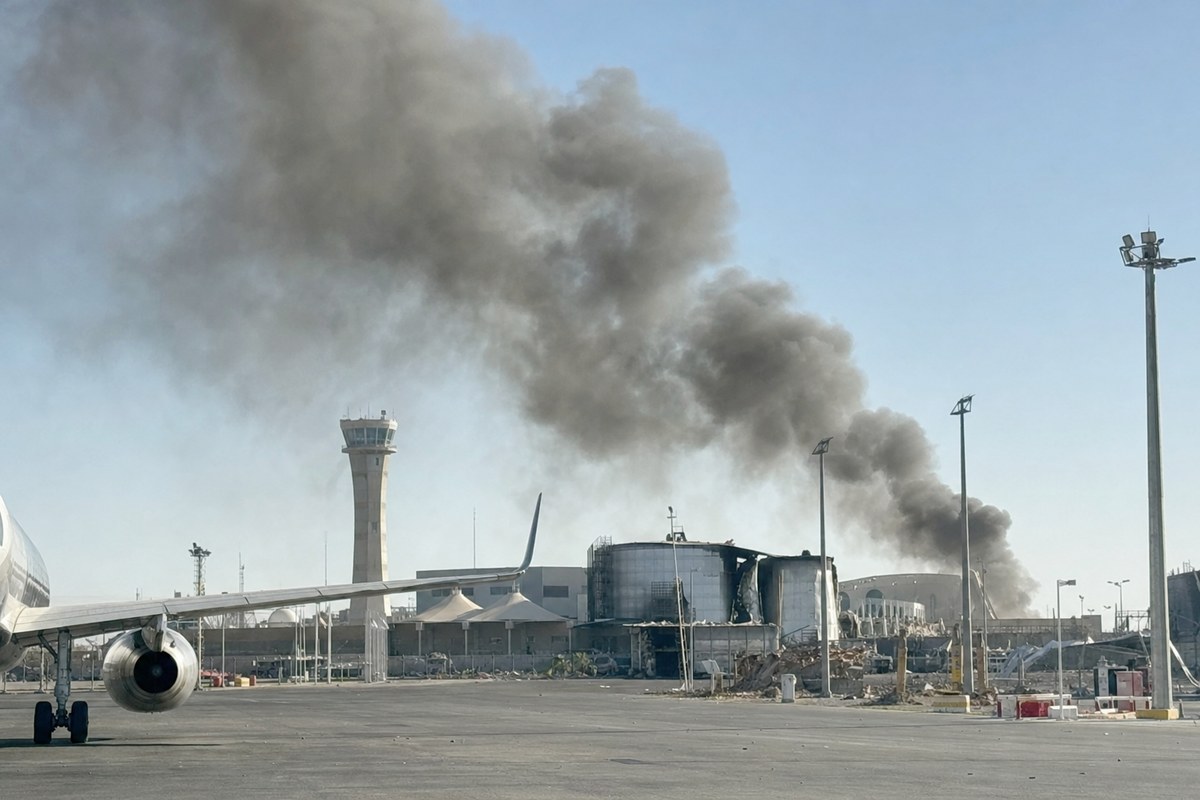
The exchange followed a Houthi attack on Saudi Arabia's Riyadh airport a day earlier that killed three people. The United States had advised Americans in the Middle East to "exercise heightened vigilance" following that attack.
Industry impact & what to watch
Attacks on capital-city airports that remain in active commercial and civilian use illustrate how conflict-adjacent risk can reach core aviation infrastructure with little warning, rather than staying confined to contested airspace or border regions. When strikes hit terminals or airfields directly, airlines and insurers must reassess routing, scheduling and coverage for the airports involved almost in real time.
The heightened-vigilance advisory issued to Americans in the region before the Sanaa strikes shows how government guidance can shift quickly once an airport itself becomes a target rather than merely overflown territory. Whether flight operations at Riyadh and Sanaa airports continue, are suspended, or are curtailed will depend on statements from the Saudi authorities and the Houthi side in the coming days.