Middle East Flight Disruptions Intensify as Aden Airport Attacked and Riyadh Faces Missile Threats
Why It MattersRepeated strikes near Gulf and Yemeni airports push carriers toward costly southern or northern reroutes, showing how quickly regional airspace risk can override published flight paths.
What happened
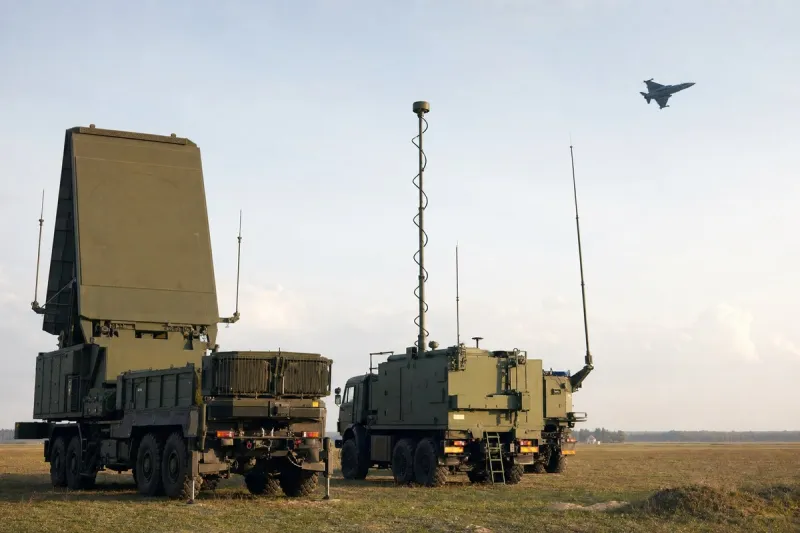
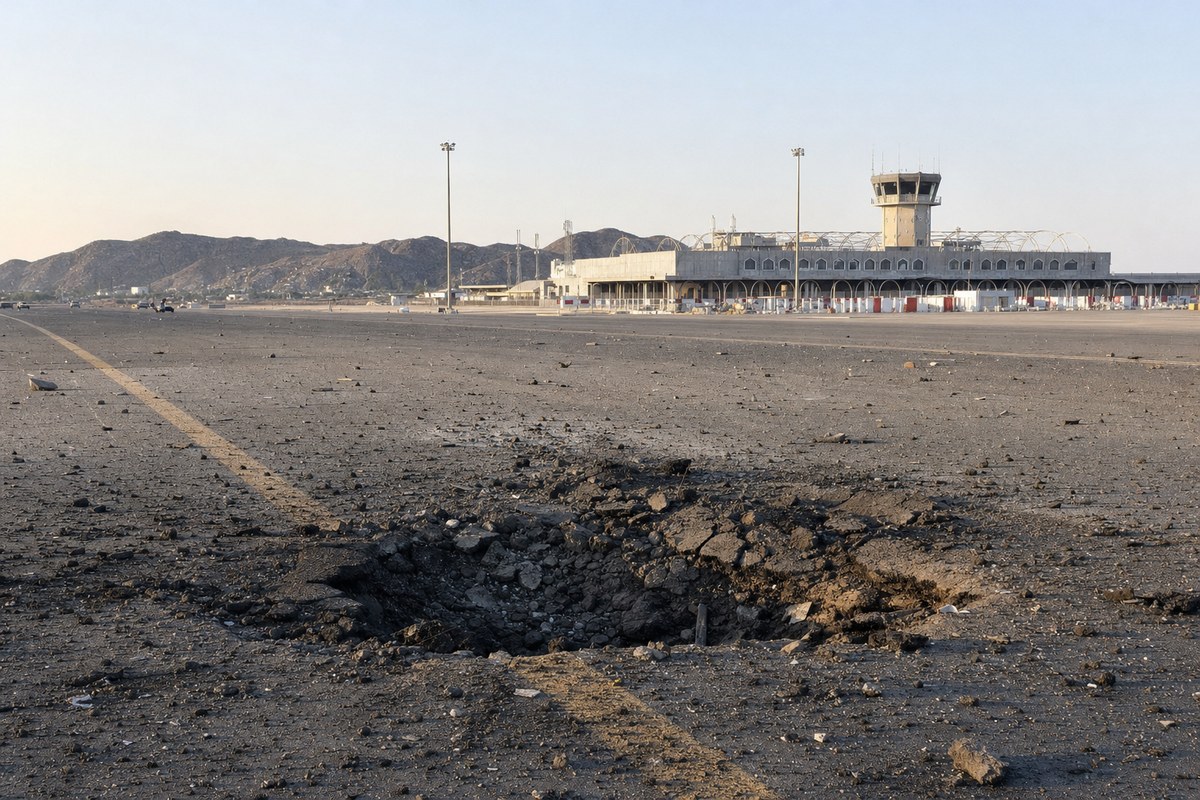
Aden International Airport in Yemen was targeted early Wednesday, October 7, with ballistic missiles and explosive-laden drones, according to Yemen's Transport Ministry. One missile landed near the runway minutes before a Yemenia Airways flight from Cairo was scheduled to arrive; authorities cancelled the landing and diverted the aircraft to Jeddah, Saudi Arabia. The airport terminal was evacuated, and two aircraft on the ground were moved as a precaution against further strikes.
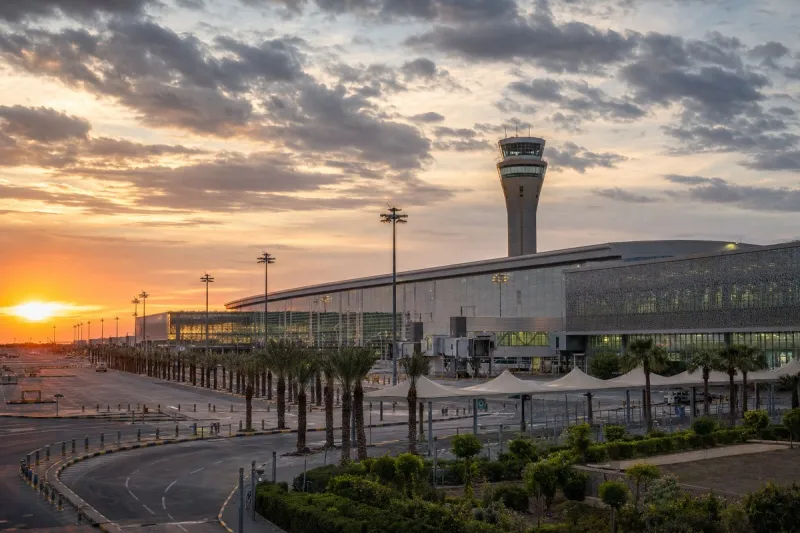
Houthi forces said Wednesday they had also launched missiles and drones against targets in Saudi Arabia, including King Khalid International Airport in Riyadh. The Saudi-led coalition reported intercepting and destroying a ballistic missile north of the capital. The Associated Press reported brief disruptions to flight operations as the attacks intensified, though claims regarding individual targets have not been independently verified.
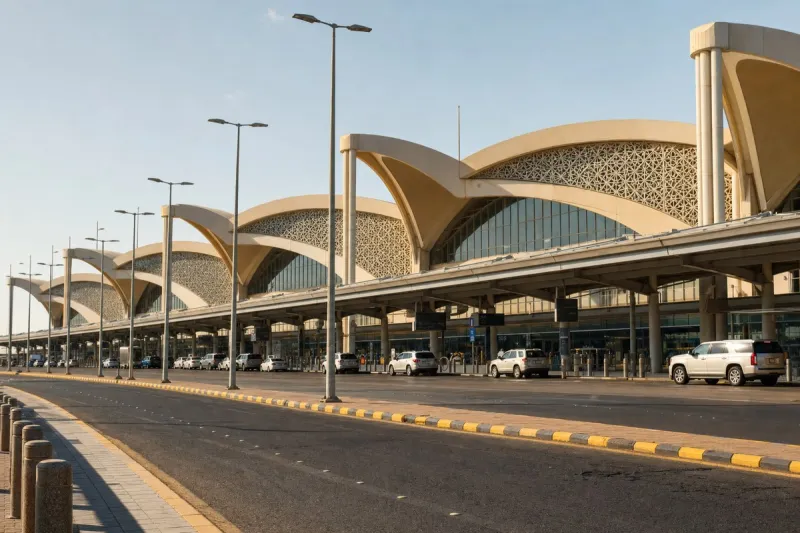
The latest incidents follow strikes on King Abdullah bin Abdulaziz International Airport in Jazan and Najran International Airport in southern Saudi Arabia on Monday, October 5. Saudi Arabia's main international airports in Riyadh and Jeddah remain operational. Aviation risk-monitoring group OPSGROUP notes that Kuwait remains closed to overflights, while GPS jamming and spoofing are widespread across parts of the region.
Industry impact & what to watch
Strikes landing near active runways minutes before scheduled arrivals show how airspace risk in this region can shift from theoretical to operational within minutes, forcing real-time diversions rather than pre-planned avoidance. For Europe-Asia traffic, carriers already route around the affected zones using southern corridors through Egypt, Saudi Arabia, Oman and the United Arab Emirates, or northern paths through the Caucasus and Afghanistan — options that add distance and time but keep aircraft away from contested airspace.
The closure of Kuwait to overflights alongside widespread GPS jamming and spoofing means operators must track more than just strike locations; navigation reliability itself is degraded across parts of the region, complicating routing decisions even where airspace remains technically open.
Whether disruption stays confined to brief operational pauses, as seen after the Riyadh-area intercept, or escalates toward sustained closures will depend on whether further missile or drone launches reach airports still handling scheduled traffic. Travelers and carriers with routings through southern Saudi Arabia or Yemen face the most immediate exposure to short-notice rerouting.