NTSB Records 303 Cessna Citation Accidents Since 1982, 82 of Them Fatal, Killing 265 People
Why It MattersCumulative accident counts across decades reflect how long each model has flown and how many airframes have left the register, so raw totals cannot rank type safety for buyers or charter customers.
What happened
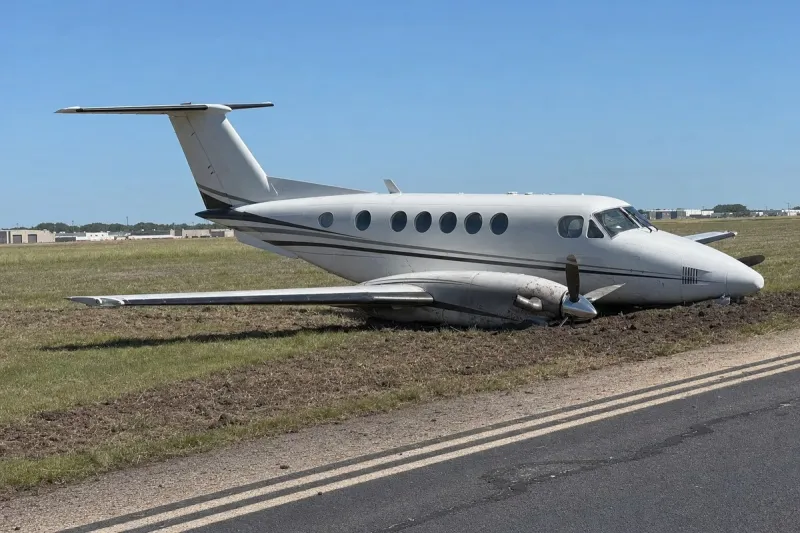
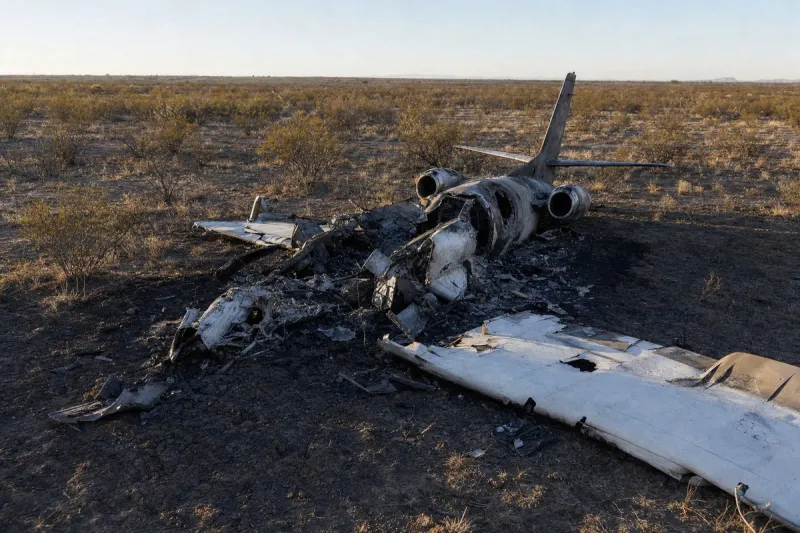
The US National Transportation Safety Board (NTSB) has recorded 303 accidents involving Cessna Citations since 1982, spread across 16 Citation models. Of those, 82 were fatal, and 265 people were killed. Today 5,837 of these aircraft are registered in the US, built between 1972 and 2026.

The count covers every accident the NTSB investigated or assisted with, including ones where nobody was hurt. It is a historical tally, not a safety ranking: a model that has flown for forty years has had far more time to collect accidents than one launched five years ago, and many older aircraft have since left the US register.
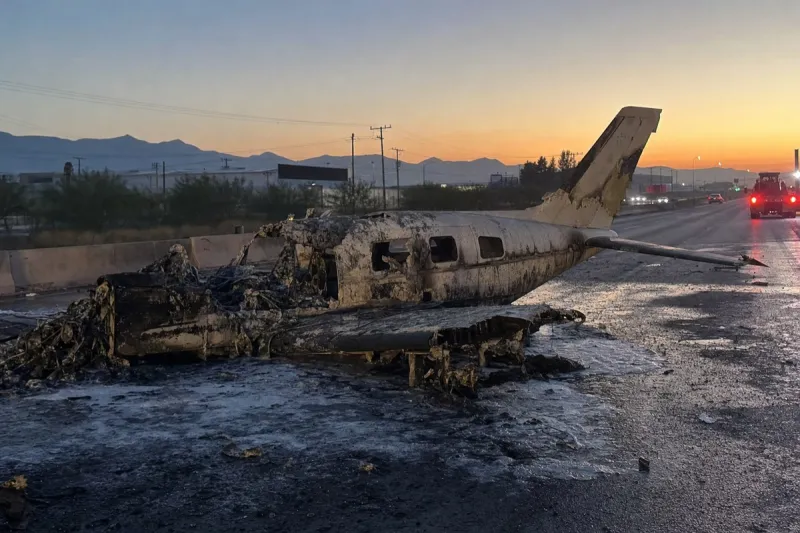
Recent fatal accidents on record include June 17, 2026, at Laredo, Texas, where 1 person was killed on a Citation Latitude flying a fractional (shared-ownership) business jet flight; the crew felt an unfamiliar vibration soon after takeoff and told the company. A Citation II / Bravo / S550 on a private or corporate flight had an accident near Statesville Airport, North Carolina, killing 7. On May 22, 2025, near San Diego, California, 6 people were killed on a Citation II / Bravo / S550 flying from New Jersey via Wichita, Kansas, to San Diego, and people on the ground suffered minor injuries. A March 13, 2025 accident near Mesquite, Texas, is also on the list.
On the charter side, 304 operators hold at least one Cessna Citation on an FAA Part 135 certificate, and PCJ Aviation LLC has 12 aircraft.
Industry impact & what to watch
Cumulative counts like this one are shaped by exposure. A type that entered service in the 1970s has had decades more flying hours, and decades more chances to appear in an NTSB file, than one certified recently, while retired or exported airframes drop out of the current-fleet denominator. Comparing 303 accidents against 5,837 registered aircraft therefore mixes eras, airframe ages and mission types, and it cannot separate a design question from a fleet-age one.
For charter and fractional buyers the number is a starting point for questions, not an answer. Meaningful comparison needs accident rates per flight hour or per departure for a given model, the operating certificate behind the flight, and the age and maintenance history of the specific airframe. The fact that 304 Part 135 operators fly Citations also means exposure is spread across a wide range of operator sizes, from single-aircraft certificate holders to larger fleets.
The tally will keep growing as the NTSB closes open investigations, including recent fatal events whose causes the record does not resolve. Final reports for those cases are the items that would add real causal information to a count that is otherwise only a running total.