FAA ground stop halts departures at San Francisco International Airport amid storms
Why It MattersWeather ground stops at a single congested airport push delay and rerouting costs onto every operator scheduled through it, while the extension decision stays with the FAA, outside any operator's control.
What happened
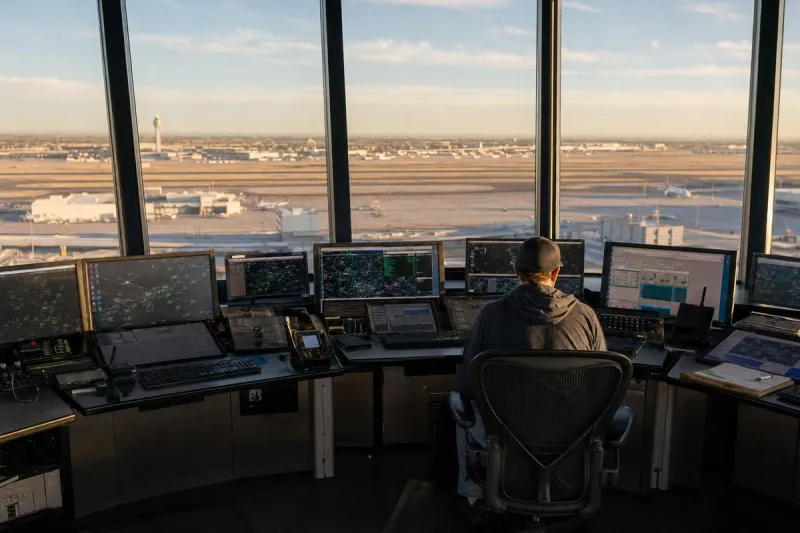
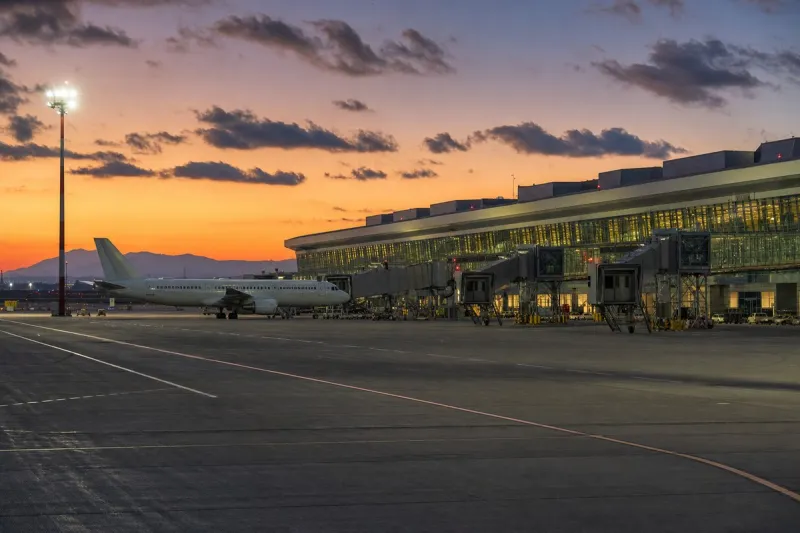
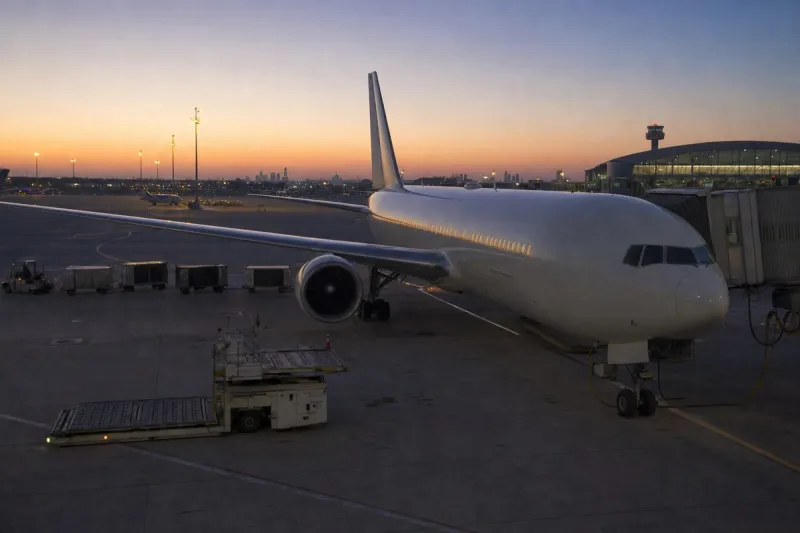
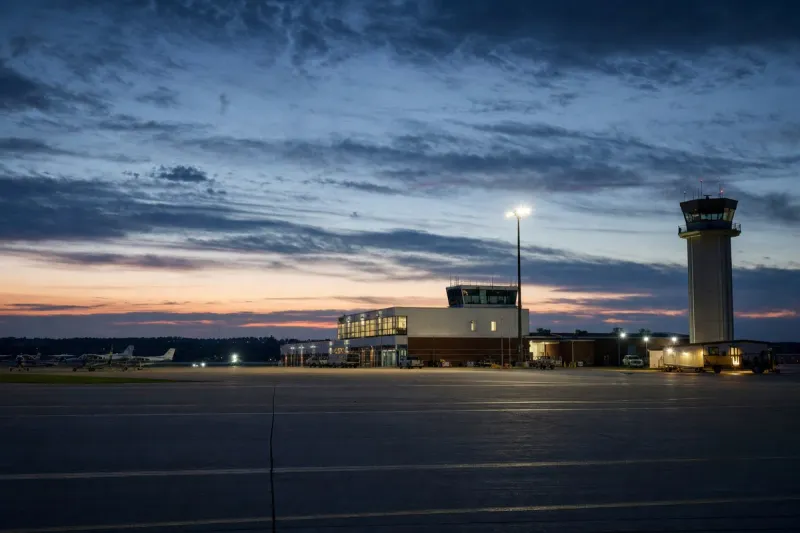
The FAA issued a ground stop at San Francisco International Airport that halted departing flights, attributing it to wind and weather as storms battered the Bay Area. The agency said there was a "medium" chance the stop would be extended.
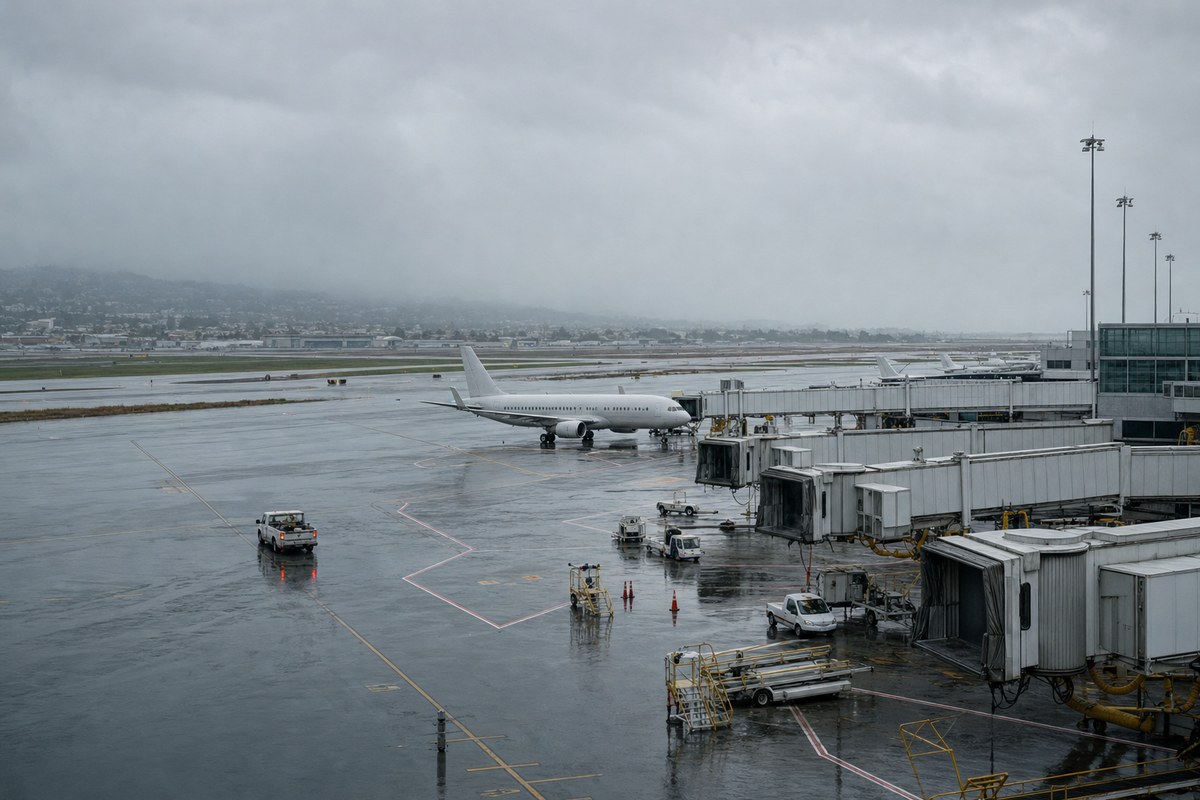
Departing flights were experiencing delays averaging 3 hours and 6 minutes, according to the FAA.
San Francisco was seeing potentially record-breaking rainfall on Wednesday. 1.85 inches had fallen on downtown, about half an inch short of the daily record of 2.24 inches set in 1918. Some areas had major flooding, including southbound I-280 near Geneva Avenue.
Industry impact & what to watch
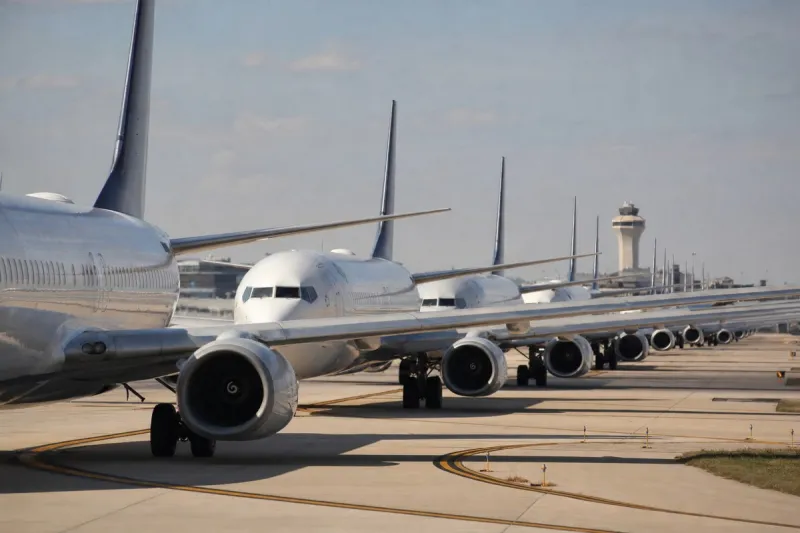
A ground stop is the FAA's tool for holding departures at an airport when conditions make normal sequencing unworkable. At a busy single-runway-constrained field, a pause of this kind does not end when the weather eases: queued departures, displaced aircraft and crew duty limits keep schedules disrupted well after the stop is lifted.
For business aviation the exposure differs from airline schedules. Charter and fractional flights have no hub to rebook through, so a stop at the departure airport usually means a late departure or a divert to another Bay Area field, with the cost landing on whoever holds the trip.
The next fact to settle is whether the FAA extends the stop, which it rated a medium chance. Any extension notice, and the delay figure that follows it, will show how long the backlog takes to clear.