Musk Says Starlink Could Fix US Air Traffic Control After Nationwide Ground Stop, but Role in Preventing Outage Is Unclear
Why It MattersThe outage shows air traffic control resilience depends on legacy network architecture and contractor-managed upgrades, so satellite links for remote sites are a different question from replacing the backbone connecting control facilities.
What happened
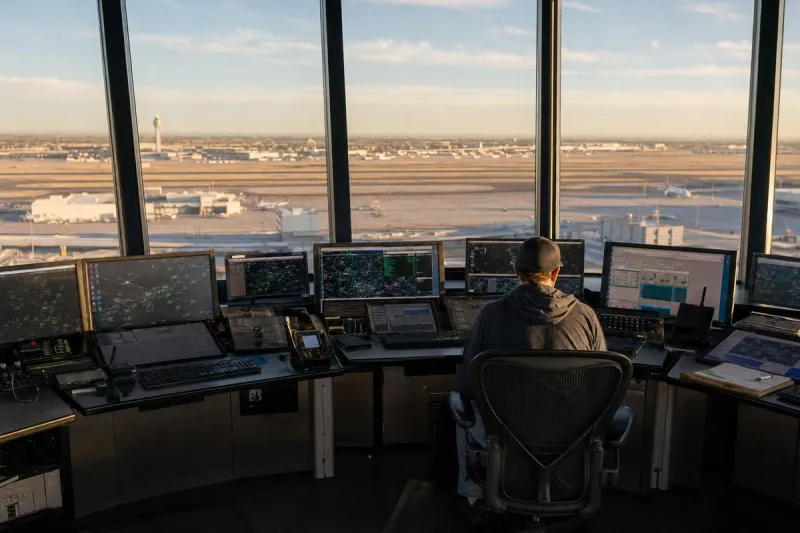
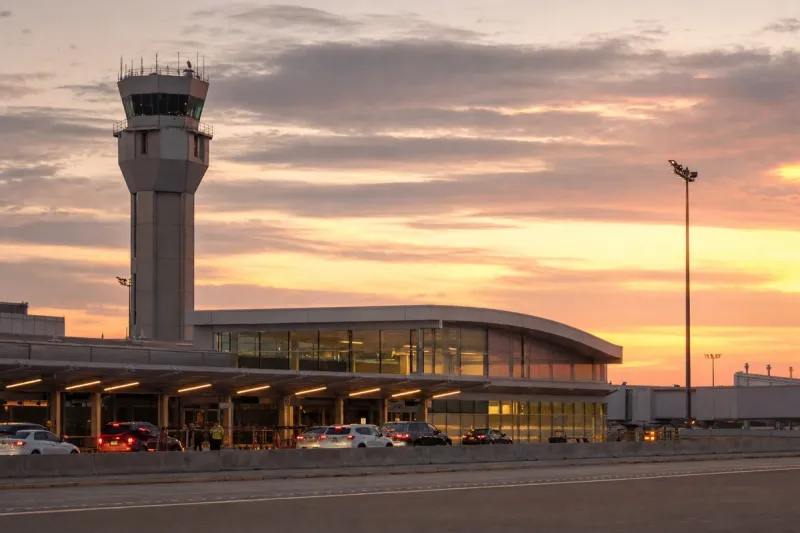
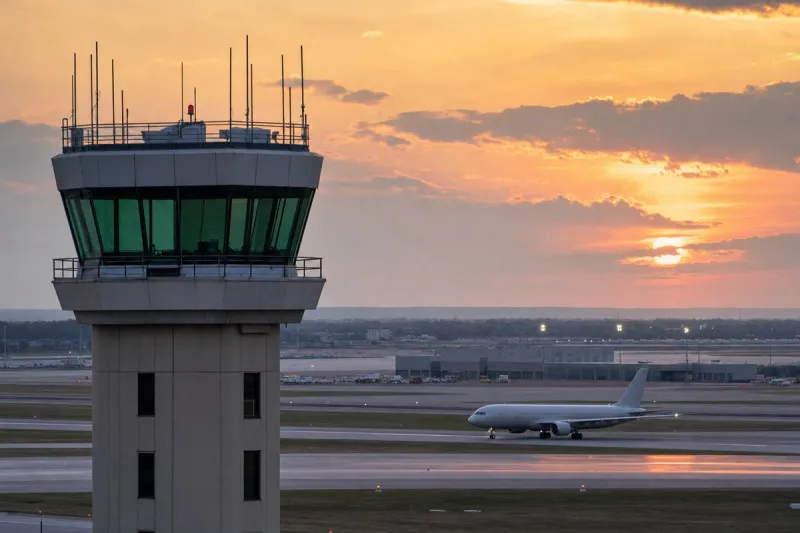
Elon Musk says Starlink terminals could be the answer to fixing the struggling US air traffic control system after last week's outage. The Federal Aviation Administration (FAA) ordered a nationwide ground stop last Friday, and nearly 20,000 flights were canceled. No airplanes were allowed to take off for over four hours, the largest shutdown since September 11, 2001.
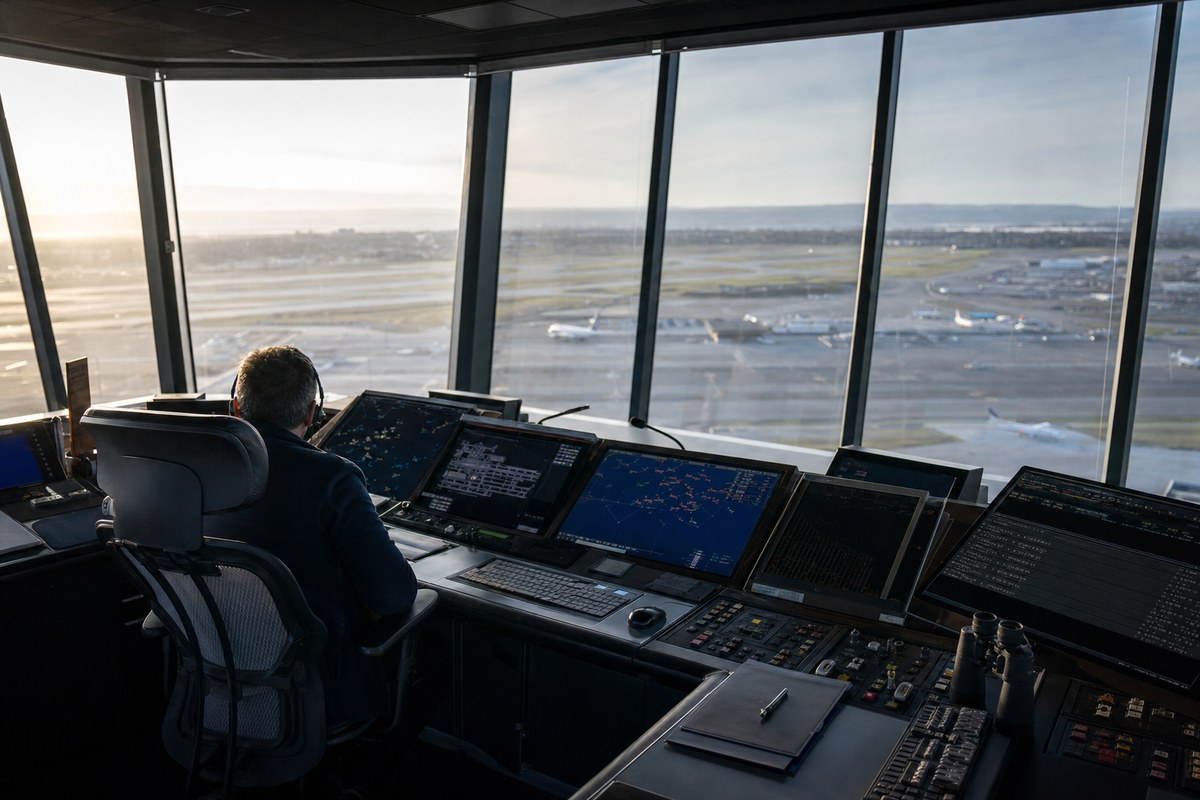
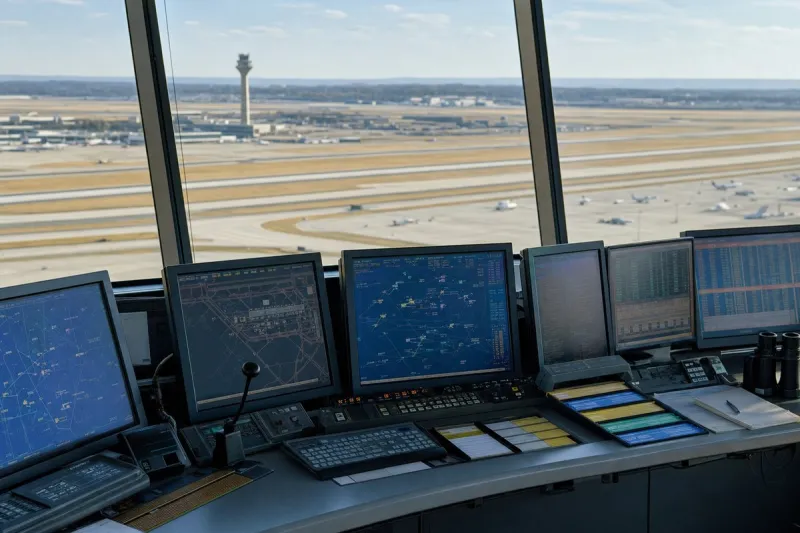
The root cause is still under investigation. The FAA said its legacy equipment became unstable after its network was flooded with connection attempts, disrupting major air traffic control centers. Investigators are examining sites in Texas and Arkansas, where contractor L3Harris had been installing a new router. Transportation Secretary Sean Duffy said last Friday that the country has "old switches, old routers" and asked for $50 billion to build a new system.
Musk previously criticized the aging technology in February 2025 after a minor system outage. On Tuesday night he reshared that X post, adding "I wrote this 18 months ago." On Monday, the SpaceX CEO said: "Free Starlinks for FAA were offered to Sec. Duffy, but he said they were not needed." The FAA did not immediately respond to a request for comment on Musk's remarks.
In March 2025, the FAA said it was testing Starlink at sites in Alaska, Oklahoma City and Atlantic City, through the same L3Harris-managed network that broke down last weekend. The Alaska deployment was at "non-safety-critical sites," intended to provide more reliable weather information for pilots and FAA stations in remote areas. The FAA said at the time that updating the system "will require multiple companies and multiple technologies," and that it was testing satellites, fiber and wireless.
Industry impact & what to watch
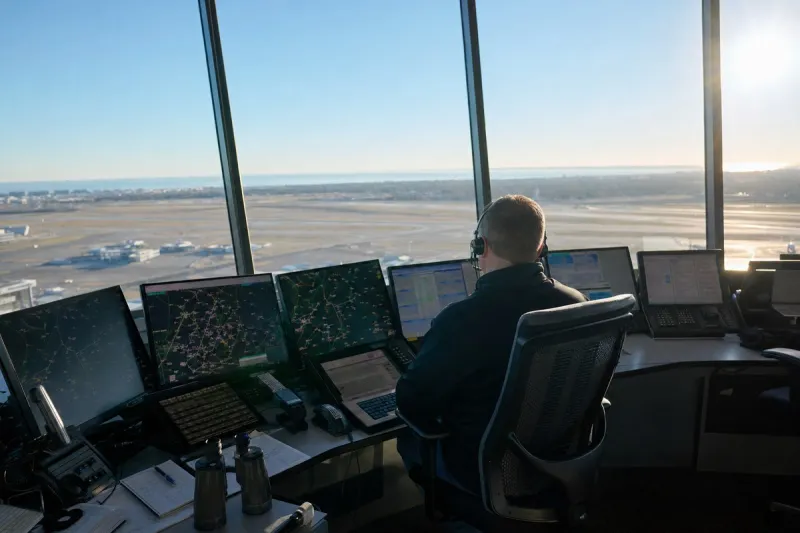
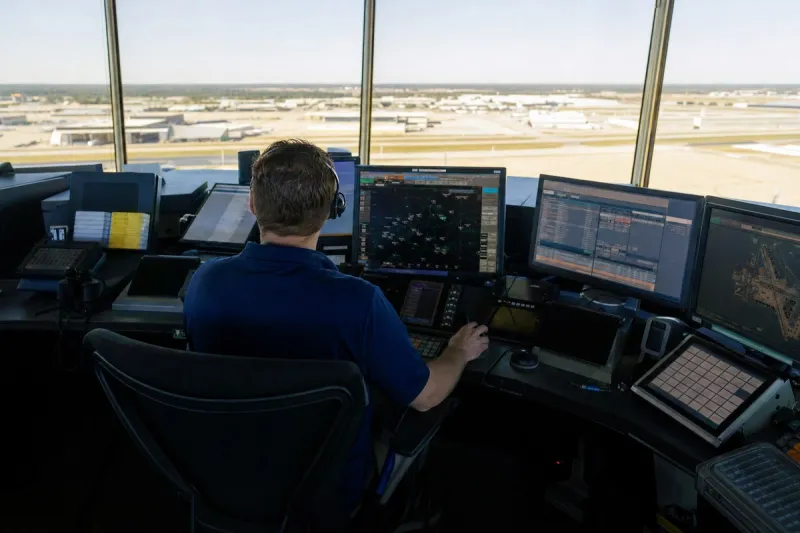
The FAA's own account points to a network-level failure: legacy equipment destabilised by a flood of connection attempts, with a contractor router installation at two sites under examination. A satellite terminal supplies a link to one site, whereas the backbone connecting air traffic control facilities carries aircraft radio and radar feeds. Starlink can serve remote locations usefully, but that is a different job from replacing the network between control centers, and it is unclear how terminals would have prevented the data flood.
For operators and charter brokers, the practical lesson is how a single national system can halt departures everywhere at once. A four-hour stop with nearly 20,000 cancellations shows that schedule disruption in this segment follows the weakest point in shared infrastructure, whatever the aircraft or operator.
The next milestones are the investigation's findings on the Texas and Arkansas sites and any FAA response on the $50 billion funding request. Reliance on a single satellite provider for vital infrastructure has also drawn scrutiny elsewhere: Ukraine reported renewed restrictions on Starshield service in Russian-occupied areas this month.