EASA Extends Gulf Conflict-Zone Bulletins to 31 January 2027 as Iran War Spreads Across Gulf States; Pacific Typhoons Add Disruption
Why It MattersGulf hubs losing benign-alternate status reshapes ultra-long-range planning: diversion toward Egypt, Turkey, the Caucasus, India and East Africa lengthens sectors, while war-risk cover terms increasingly determine which routings are viable.
What happened
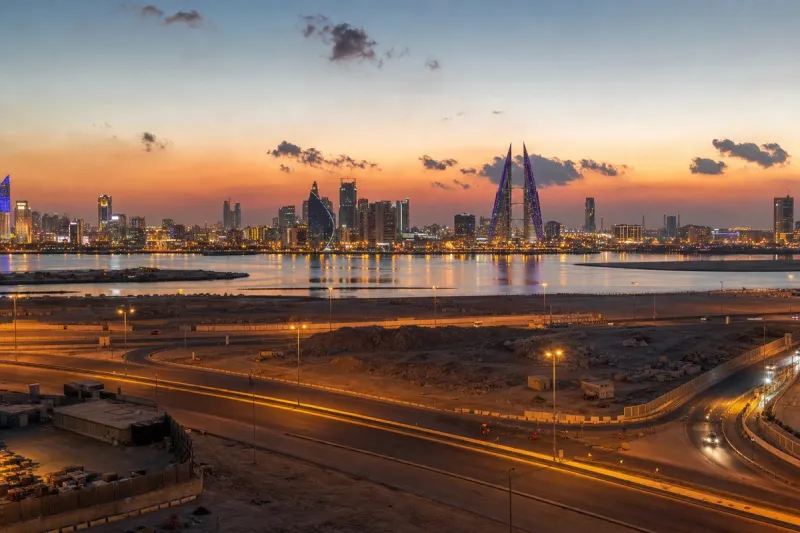
EASA revised six Conflict Zone Information Bulletins on 16 November and extended all of them to 31 January 2027. They cover the airspace of Iran, Iraq, Lebanon, Jordan and Saudi Arabia, plus portions of the Persian Gulf and Gulf of Oman. The Persian Gulf bulletin, CZIB-2026-07R4, applies within the Bahrain, Kuwait, Qatar, UAE and Oman (Muscat) flight information regions, and EASA states that military developments create a high risk to civil flights at all altitudes and flight levels. These are risk advisories, not closures. The Lebanon bulletin is CZIB-2026-06-R3.
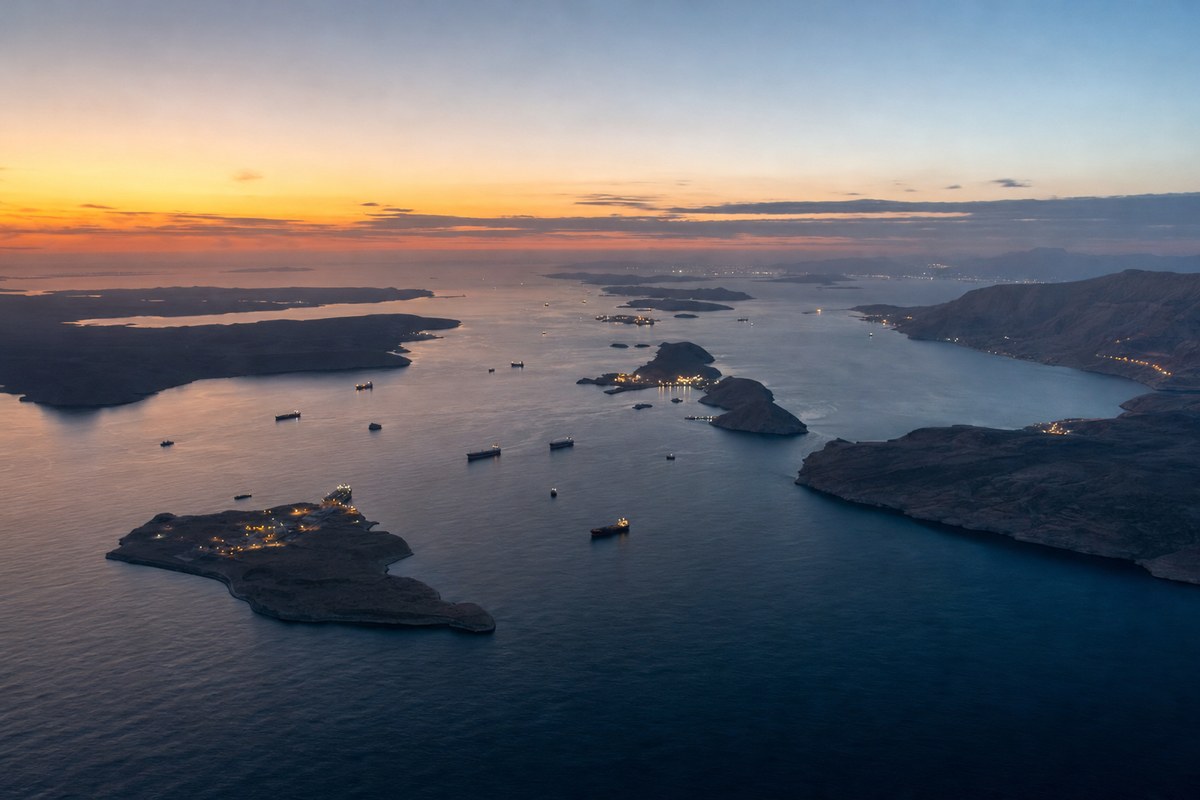
The nine-month war between the United States and Iran has spread from Iranian territory into the airspace and infrastructure of Gulf states. U.S. aircraft struck an Islamic Revolutionary Guard Corps missile site on Qeshm Island in the Strait of Hormuz, which a U.S. military official described as self-defence. Iran has launched a third round of strikes on Bahrain, host of the U.S. Navy's 5th Fleet, and Bahrain and Kuwait both said they intercepted retaliatory attacks. Kuwait's military reported its air defences responding to hostile drone threats.
The U.S. mission in Saudi Arabia has warned of potential attacks on airports, airspace closures and flight cancellations, and advises extreme caution in using Saudi airports. It now requires U.S. government employees to obtain special authorisation to use any airport in the country. The Houthis claim drone strikes on two East-West Pipeline pumping stations in Riyadh Province and on an early warning radar at Sharurah in Najran Province; an earlier pipeline attack in September closed the line for about eleven days.
In Asia-Pacific, Japan scrambled fighters after two suspected Russian aircraft entered its airspace near Okinoshima on 17 November, and Tokyo lodged a protest. South Korea scrambled aircraft over a Russian entry into the KADIZ the same day, the third such entry reported in 2026. At ICAO, the United States has asked the Council to affirm that states managing high-seas airspace hold no sovereignty over it, while Taiwan says China is weaponising flight information regions and Beijing accuses Washington of politicising the issue. Typhoon Champi, the thirtieth Pacific typhoon of the year, disrupted operations.
Industry impact & what to watch
The distinction between a restricted airspace and a risky one is now the working variable for Gulf operations. Because the EASA bulletins are advisories, the decision to fly sits with the operator, the insurer and the crew, and that pushes the cost of judgement onto flight planning. Muscat, Doha, Dubai, Bahrain and Kuwait can no longer be treated as benign alternates without an explicit risk assessment.
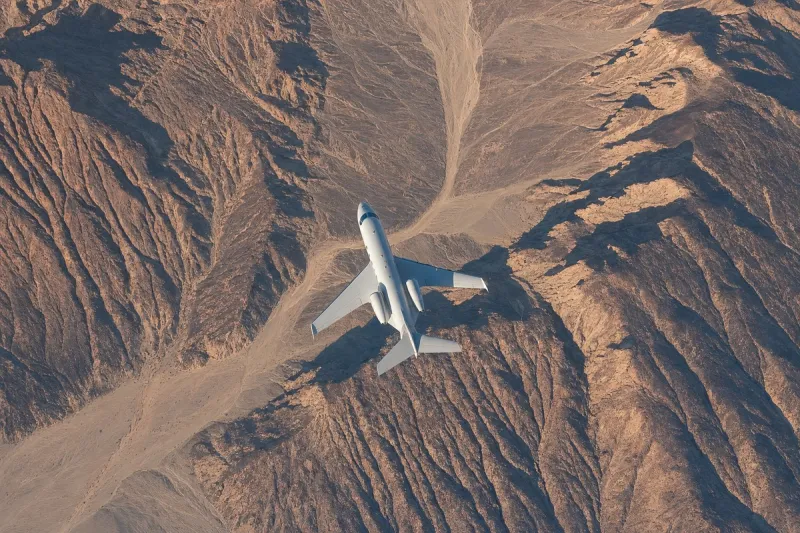
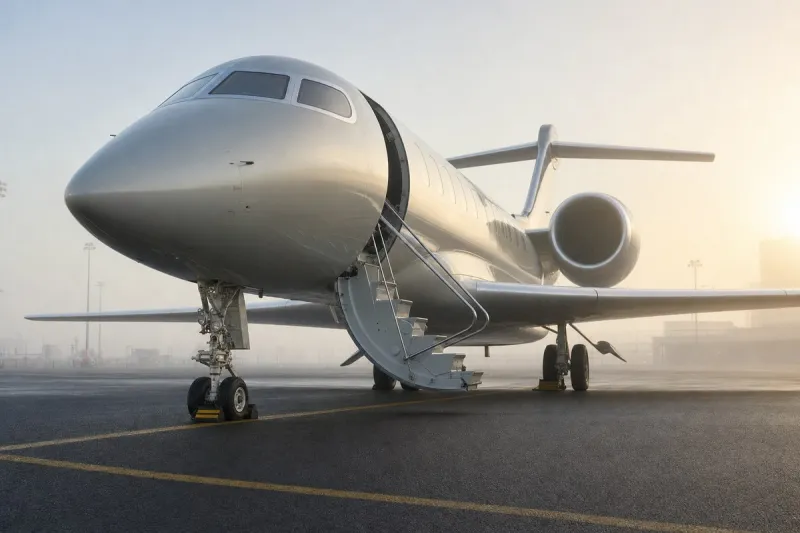
The practical consequence is geographic. Diversion planning shifts towards Egypt, Turkey, the Caucasus, India and East Africa, which lengthens legs and forces tankering or added technical stops on westbound ultra-long-range sectors. War-risk hull and liability cover, territorial exclusions and notification requirements need confirming with underwriters before each trip, since the insurance position can change a routing decision as much as the airspace picture does.
Several items are still pending: whether the Trump-Xi-Putin summit produces pressure on Tehran, further Iranian strikes on Bahrain and Kuwait, and any Houthi attack that closes a Saudi airport outright. The fall of Aden and its effect on southern Red Sea routings, the Lebanon bulletin's sea-approach exception, the expiry of South Africa's overstay concessions on 30 November and late-season typhoon formation also bear on planning. Whether the ICAO dispute hardens into unilateral route restrictions around the Taipei FIR is the longer-running question.