ONEflight International Failed in 2026 Amid Cash-Flow Crisis Tied to Prepaid Jet Card Model
Why It MattersThe case shows how asset-light jet card sellers carry operator-payment obligations against customer prepayments, making cash controls the central point of failure in that segment.
What happened
ONEflight International failed in 2026 following a severe cash-flow crisis that traced back to an unsustainable business model and inadequate financial controls.

The company collected money from customers for future flights but could not reliably pay the operators that provided those flights.
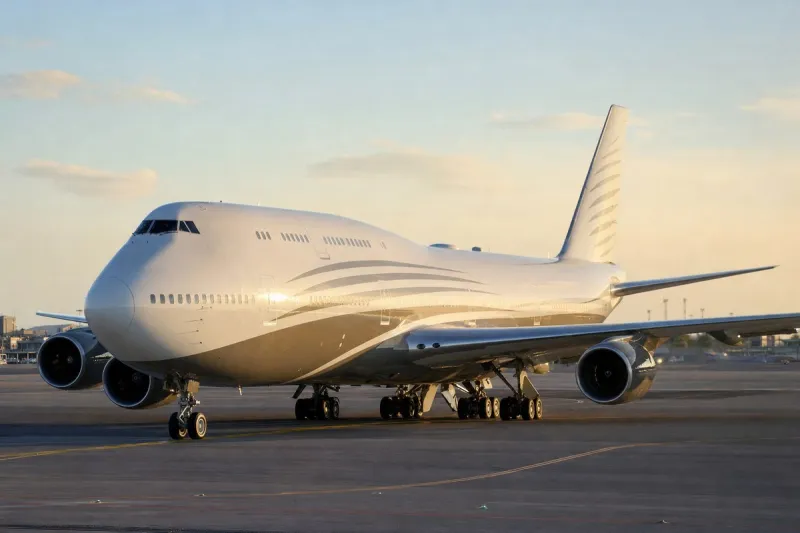
Its offer was aimed at customers who paid upfront for jet cards of $100,000 or more. In return they could lock in attractive hourly rates, gain access to thousands of private aircraft, and book flights when needed. ONEflight did not operate most of those aircraft, so it needed enough cash on hand to pay operators whenever customers chose to fly.
Industry impact & what to watch
The ONEflight failure illustrates a structural feature of prepaid jet card programs that rely on third-party aircraft. The seller takes the customer's money first and owes the operator later, so the gap between the two is held entirely in the seller's cash. When flights are booked, the obligation to pay operators arrives on the customer's schedule, not the seller's.
That makes financial controls the decisive factor in this model. A program that does not own or operate its fleet has no aircraft to fall back on if payments to operators falter, and operators that go unpaid have little reason to keep serving that seller's customers. The pricing promise on the front end, attractive locked-in hourly rates, depends on the cash discipline behind it.