Iran Strikes Bahrain Twice in Three Days as Gulf Airlines Rebuild After Eight Months of War
Why It MattersGulf carriers are restoring capacity while the conflict stays active at lower intensity, so schedules, airspace advisories and traffic recovery remain tied to a stalled ceasefire framework rather than a settled peace.
What happened
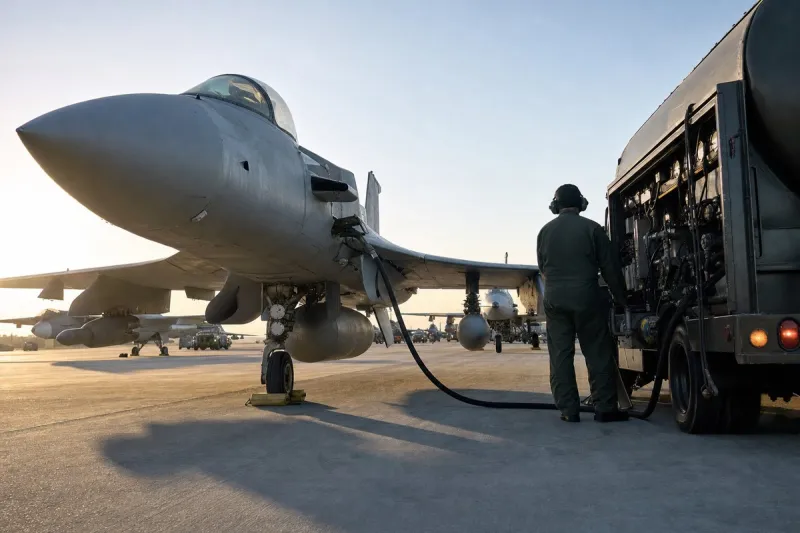
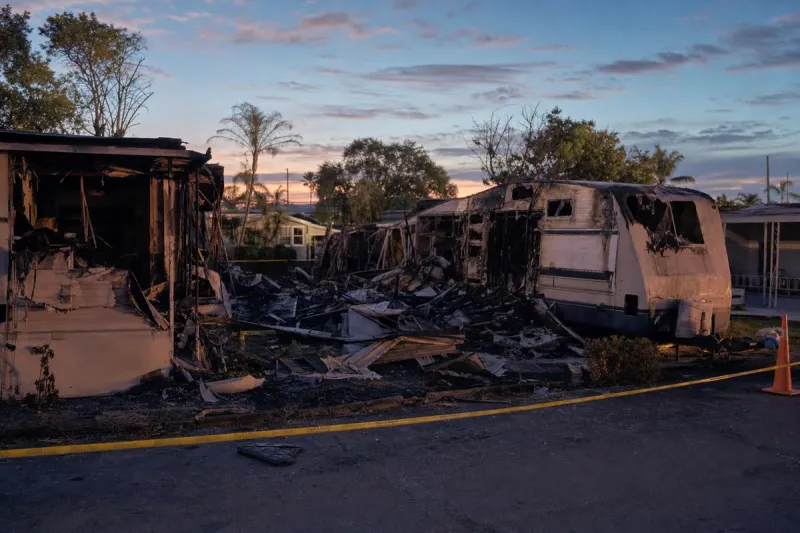
Iran attacked Bahrain for the second time in three days on Sunday. Explosions were reported across the country, and the Interior Ministry issued two safety alerts, the first since September, telling residents to move to the nearest safe location. The Bahrain Defence Force said it had intercepted and destroyed the incoming Iranian munitions. On Friday, US Central Command said it had intercepted two Iranian attack drones heading for Bahrain.
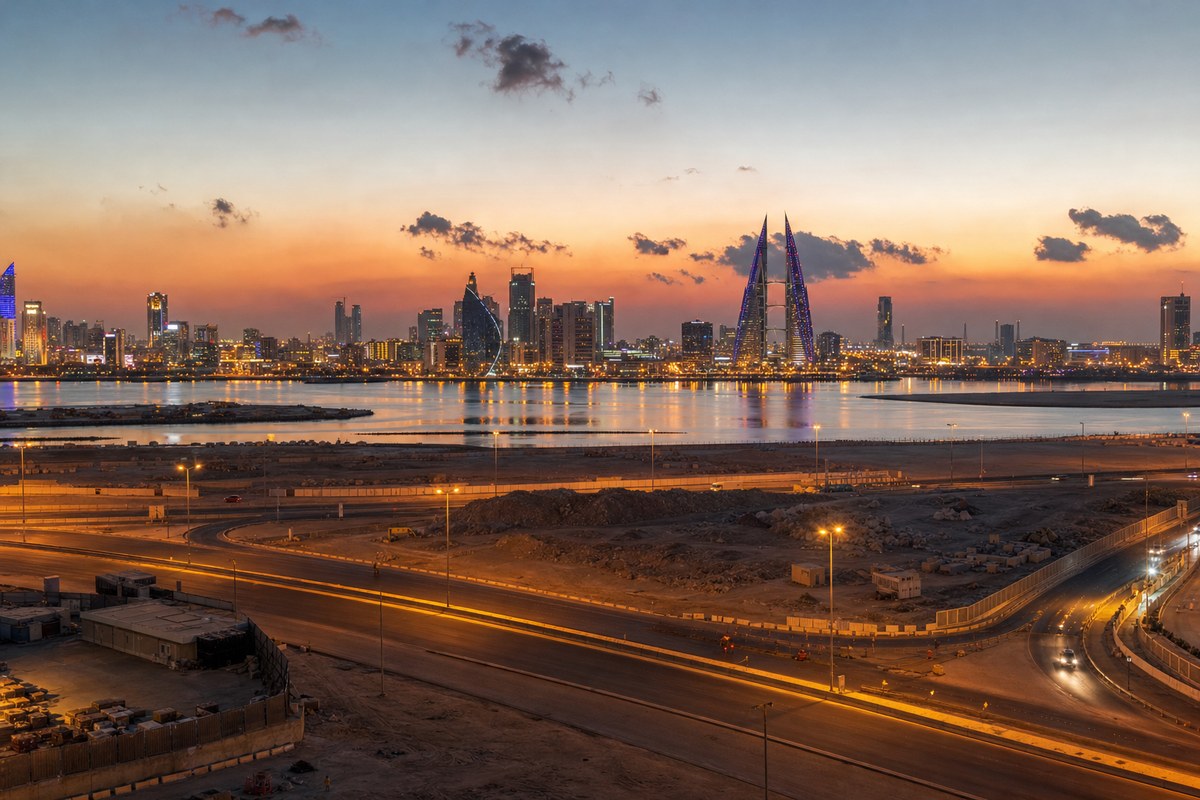
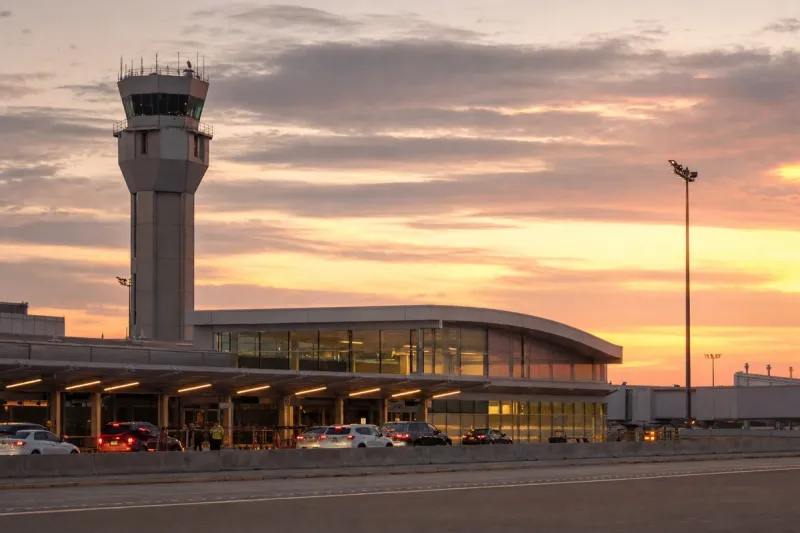
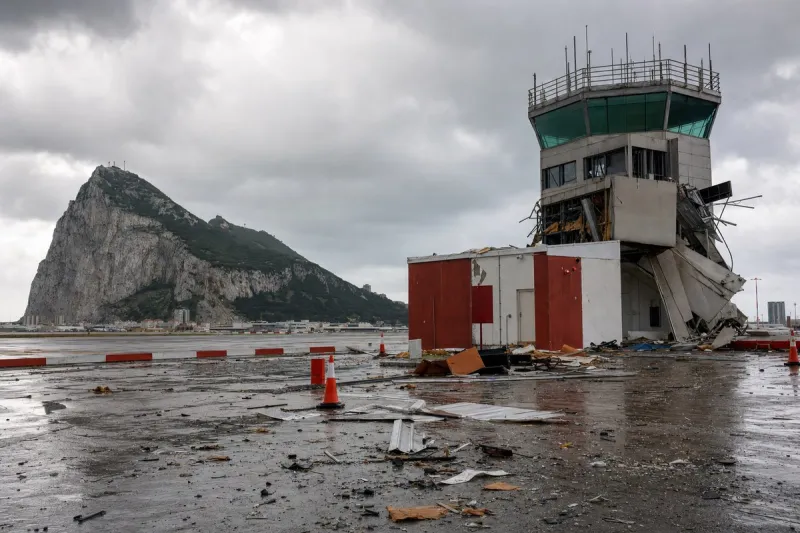
The war began on 28 February, when the US and Israel struck targets in Iran and Iran responded with missiles and drones across the Gulf. Between 28 February and 6 March, Cirium counted more than 29,000 cancellations out of more than 51,000 scheduled flights in the region. A drone struck Bahrain International Airport on 1 March, causing what a senior civil aviation official called minor material damage. Bahrain's airspace then stayed closed for more than a month, and Gulf Air ran a temporary network from Dammam until Bahrain reopened in early April after a 14-day ceasefire was announced.
Dubai International handled 31.5 million passengers in the first half of 2026, down 31.3% year on year, and expects about 70 million for the year against 95.2 million in 2025. In August, 56 airlines served the airport, down from around 90 before the war. IATA expects Middle East airlines to lose $4.3bn this year, the only region forecast to post a loss. Arab airline leaders meeting in Doha this month forecast a 10.3% fall in demand for 2026.
Airspace advisories and airline returns
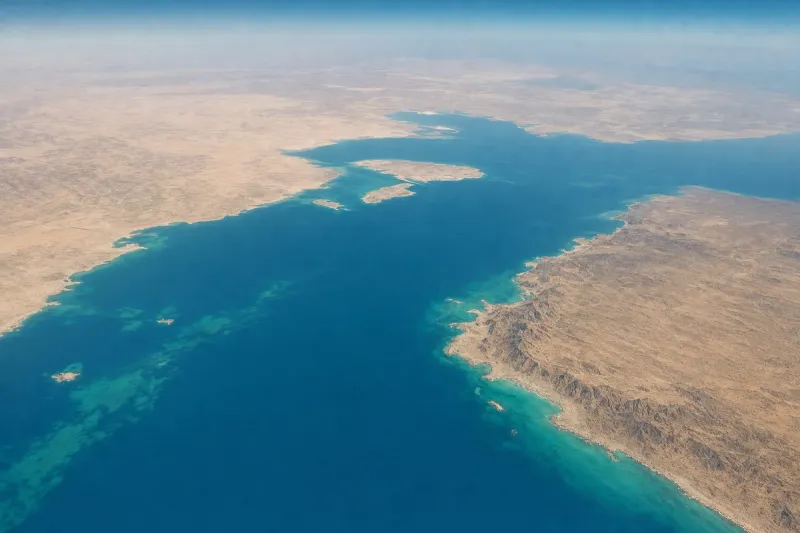
The European Union Aviation Safety Agency advises European operators to avoid Persian Gulf waters within the Bahrain, Kuwait, Qatar and UAE flight information regions, except when arriving at or departing from airports there, and advises against Iranian and Iraqi airspace. Its October bulletin for Saudi Arabia names two areas to avoid following Houthi missile and drone attacks, and on Sunday Saudi air defences intercepted two more ballistic missiles fired at Riyadh.
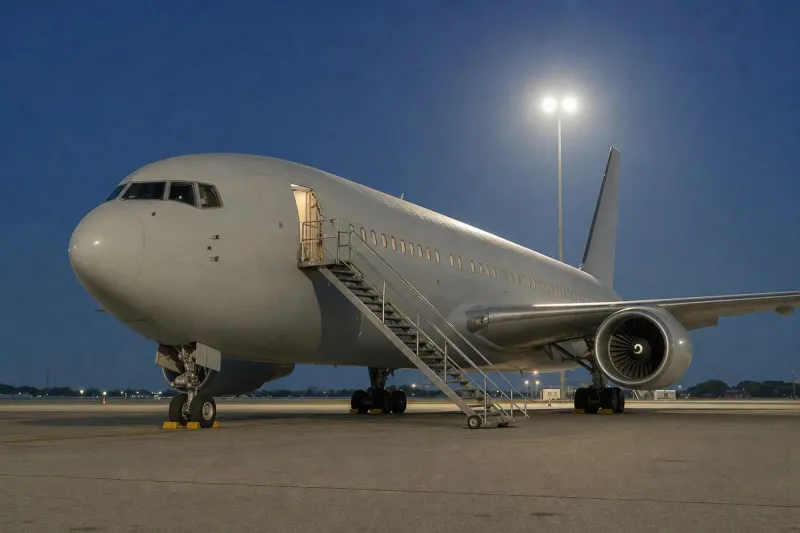
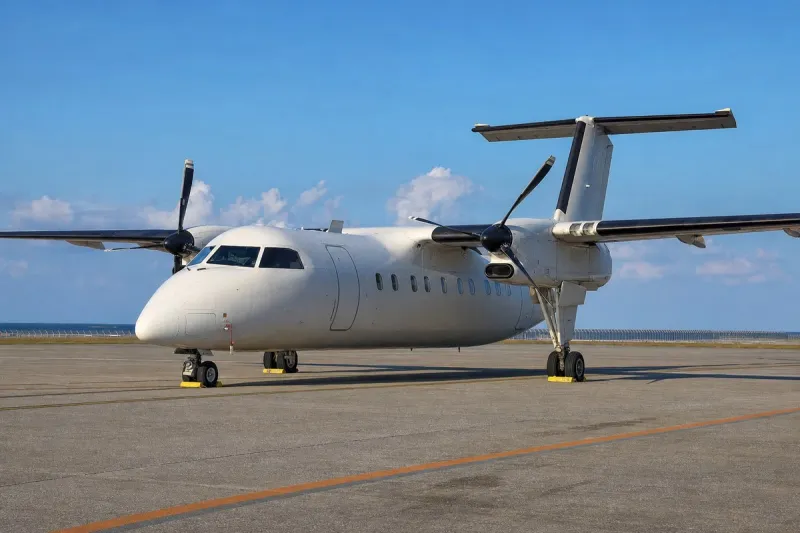
British Airways resumed Heathrow to Dubai on 3 November after an eight-month suspension, with one daily flight this winter. Doha returned in September at one flight a day instead of two. BA's Bahrain flights remain suspended until the end of March, and Abu Dhabi is not due back until winter 2027/28.
The Bahrain International Airshow, due to open at Sakhir Air Base this week, was postponed in September to November 2028. A US–Iran memorandum of understanding signed in June aimed at ending the war has stalled, with the sides still exchanging strikes at lower intensity than in the early weeks.
Industry impact & what to watch
The pattern in the figures is a network being rebuilt while the threat that dismantled it is still live. Dubai's 56 airlines against roughly 90 before the war, British Airways flying one daily Dubai service this winter and one Doha flight where it once flew two, and Abu Dhabi not due back until winter 2027/28 all show recovery proceeding in uneven, carrier-by-carrier steps. For a hub-and-spoke region, capacity returns only as fast as the most cautious carriers' risk assessments allow, and those assessments are set by advisories rather than by the pace of airport reopening.
The financial picture reinforces that. IATA's $4.3bn loss forecast makes the Middle East the only region expected to lose money this year, and Dubai's guidance of about 70 million passengers against 95.2 million in 2025 shows how far volume sits below its prior level even after reopening. Each fresh strike, such as the two on Bahrain this week, adds friction to schedule restoration and keeps European operators bound by the EASA avoidance guidance for Gulf waters and Iranian and Iraqi airspace.
The dated markers that would settle the direction are specific: British Airways' Bahrain suspension runs to the end of March, Abu Dhabi's return is pencilled for winter 2027/28, and the stalled June memorandum is the one document that could change the risk picture for all of them.