EASA Gulf Airspace Advisories Run to 16 November, Ahead of F1's Qatar and Abu Dhabi Races
Why It MattersBecause EASA's advisory leaves each airline to run its own risk assessment, carriers diverge on Gulf flying, so event-driven demand like F1 travel meets an uneven, shifting patchwork of operating decisions.
What happened
The European Union Aviation Safety Agency (EASA) has advisories in place for Iran, the UAE, Bahrain, Kuwait, Qatar and Oman. Gulf News lists them as valid until 16 November unless revised earlier. EASA's next ruling is expected in the same week Formula 1 is in Las Vegas (race on 21 November); the paddock then travels to Qatar for the race on 29 November and to Abu Dhabi for the season finale on 6 December.
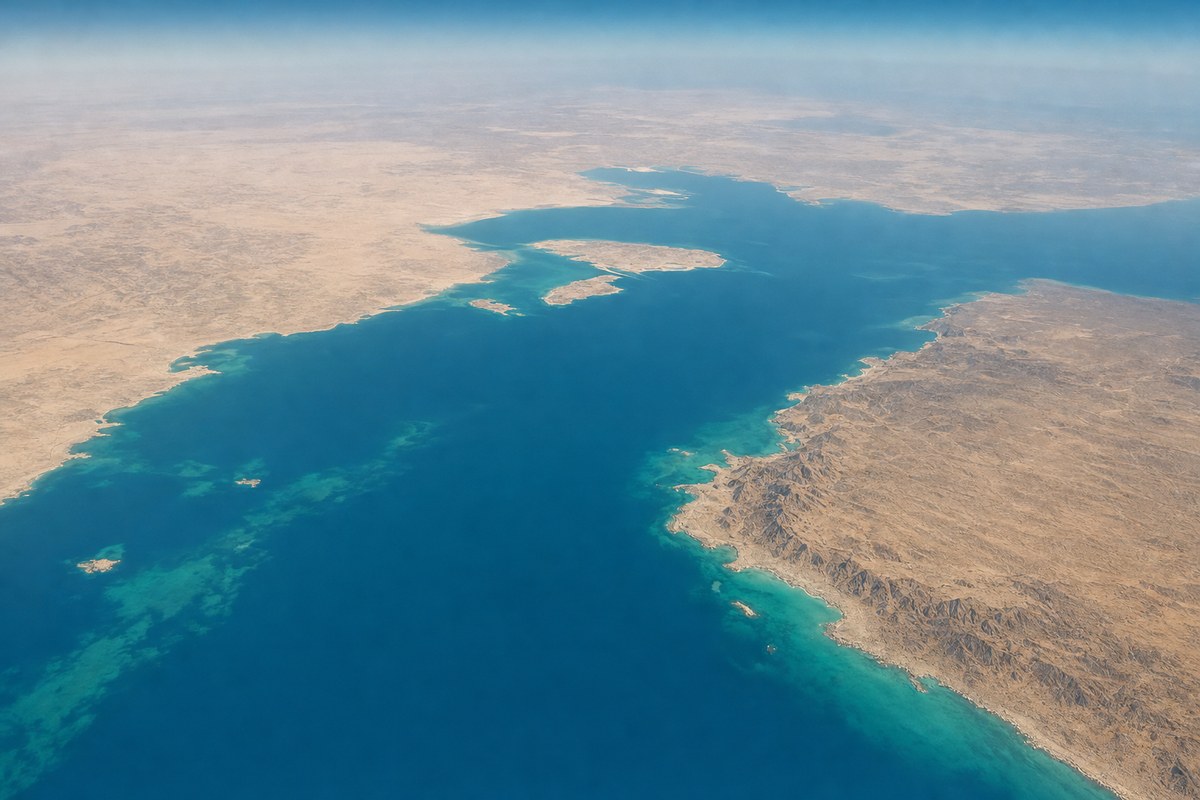
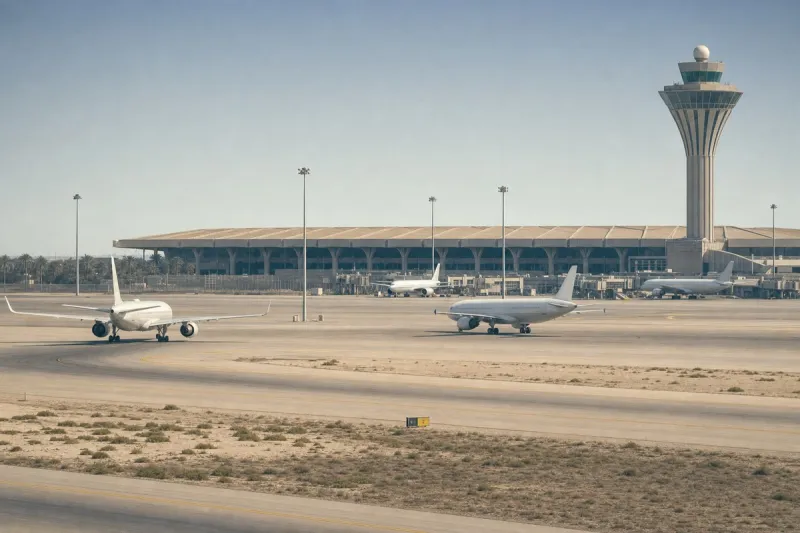
The current bulletin tells operators to stay out of the airspace over the Persian Gulf waters in the Bahrain, Kuwait, Qatar and UAE flight information regions, except where needed to arrive at or depart from local airports. EASA renewed the warning on 30 September. It does not ban flights; each airline carries out its own risk assessment, and carriers have reacted differently. Gulf News reports that UAE airspace remains open, while Wizz Air has pushed its return to Abu Dhabi back to January 2027. British Airways does not expect to restore its Abu Dhabi service until the 2027-28 winter season.
Mercedes team principal Toto Wolff told The Independent that Stefano Domenicali and FIA president Mohammed Ben Sulayem have said F1 follows international guidelines, including travel restrictions, airlines not flying, regional warnings and feedback from local governments. An F1 spokesperson told The Independent that if the situation develops negatively in the weeks before the Middle East events, F1 will not hesitate to do the right thing, with safety the priority. Mercedes is allowing staff to skip the races if they are concerned.
Gulf News also reports that Etihad has suspended Abu Dhabi flights to Riyadh and Dammam until 19 November, and that Emirates, Etihad, flydubai and several European airlines have extended suspensions of Saudi flights, some into January 2027. In a previous season, British Airways ran charter flights carrying 500 F1 personnel from Las Vegas to Doha.
Industry impact & what to watch
An advisory that stops short of a ban pushes the decision down to each carrier, and the spread of responses shows how that plays out. UAE airspace stays open, Wizz Air has moved its Abu Dhabi return to January 2027, and British Airways is looking at the 2027-28 winter season. For anyone moving people into the region, there is no single answer on whether a route can be flown; the answer depends on which operator, which airport and which flight information region.
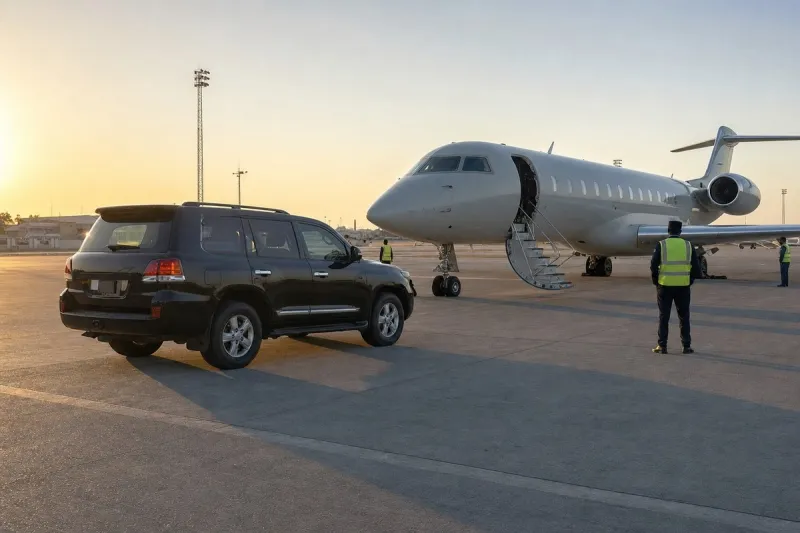
Event travel sits awkwardly on top of that. A fixed-date programme such as a race weekend cannot wait for a risk picture to clear, so demand for dedicated lift concentrates on the carriers and charter operators willing to fly, and the earlier British Airways charter of 500 F1 personnel from Las Vegas to Doha shows the format. Ground and handling capacity at the destination airports then matters as much as the airspace itself, because the advisory carves out arrivals and departures at local airports.
The next dated marker is EASA's ruling expected in the week of the Las Vegas race, ahead of the Qatar race on 29 November. F1's own stated position, that it will act if the situation worsens in the weeks before the Middle East events, makes that ruling the first one to read.