Regional Tensions Stay High as UAE Rescues 22 Crew in Sea of Oman, Saudi Arabia Intercepts Missiles and Flights Face Disruption
Why It MattersSustained conflict risk around the Gulf means airlines adjust Saudi and regional schedules in short cycles, so route reliability and passenger rebooking become the operating constraint for carriers serving the region.
What happened
Regional tensions linked to the US/Israel-Iran conflict remained high on November 8, with reports of explosions in Iran, missile interceptions in Saudi Arabia and maritime incidents near the Strait of Hormuz. Diplomatic efforts to end the conflict are continuing, but major differences remain over sanctions, frozen Iranian assets, compensation and Iran's nuclear programme.
Iran's Armed Forces spokesperson, Brigadier General Abolfazl Shekarchi, warned the United States against continuing what Tehran calls hostile policies, saying attempts to weaken Iran through military pressure and political action had failed. Israeli Defence Minister Israel Katz said on Sunday that Israel's mission against Tehran was not complete and renewed accusations that Iran is trying to develop nuclear weapons; Tehran has repeatedly denied seeking them. Iran's Supreme Leader Ayatollah Mojtaba Khamenei said the US midterm election results will not change Washington's approach towards Tehran.
The Islamic Revolutionary Guard Corps (IRGC) dismissed a US plan to tighten restrictions on Iranian trade routes, including land borders and the Caspian Sea. IRGC spokesman Hossein Mohebi called the initiative "wordplay" and questioned earlier US predictions that Iran's economy would collapse within two weeks. Iranian official Abbas-Ali Kadkhodaei said the Strait of Hormuz gives Tehran significant strategic leverage.
Rescue at sea and missile interceptions
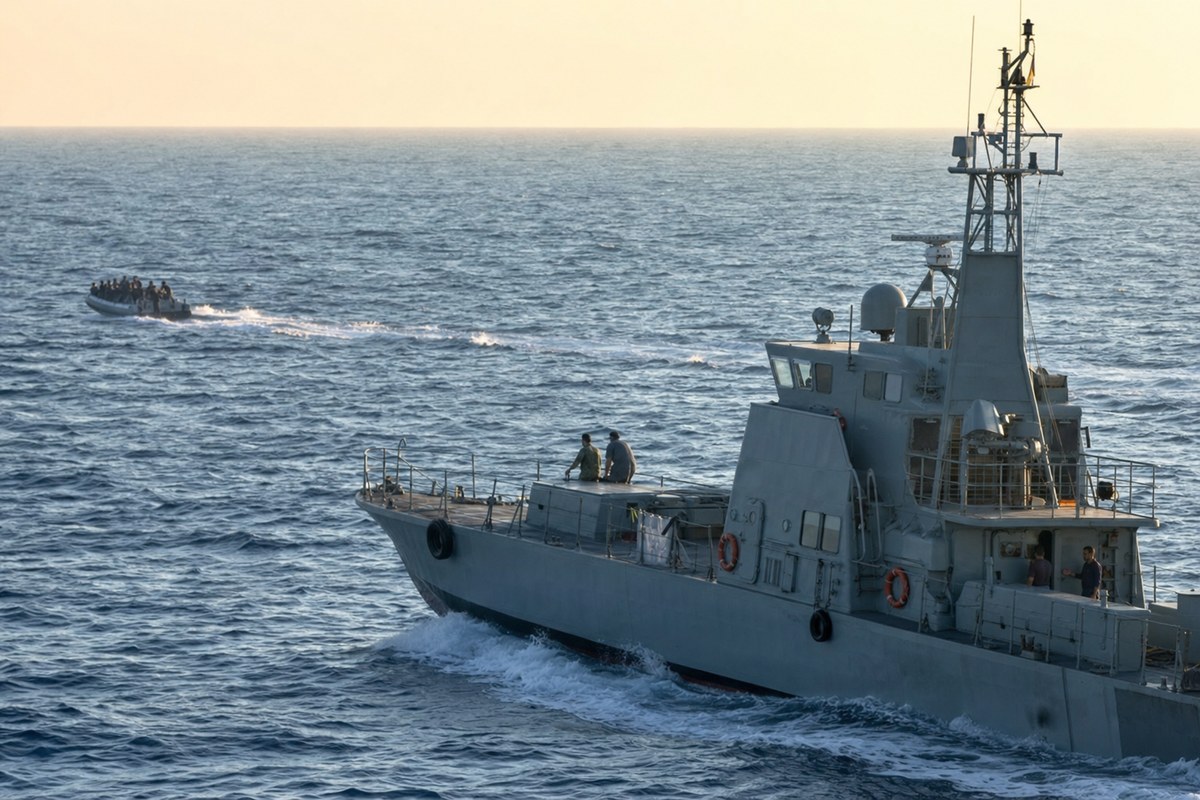
The UAE National Guard rescued 22 Arab crew members after a fire broke out aboard a cargo ship in the Sea of Oman. The Coast Guard Division responded to a distress call and evacuated everyone on board; the crew received first aid, were handed over to the relevant authorities and were reported to be in stable condition.
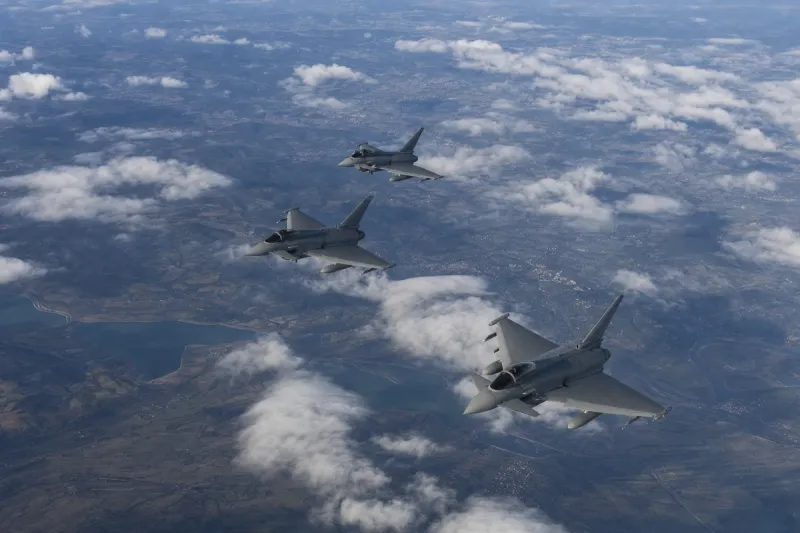
Saudi Arabia's air defences intercepted two ballistic missiles fired towards Riyadh by Yemen's Iran-aligned Houthi group, the Saudi-led coalition confirmed, after loud explosions were heard in the city.
Flight disruption in the UAE
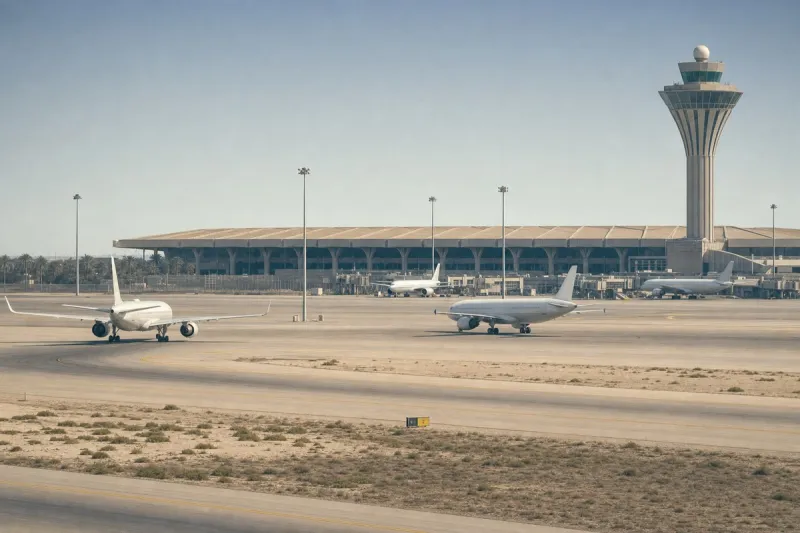
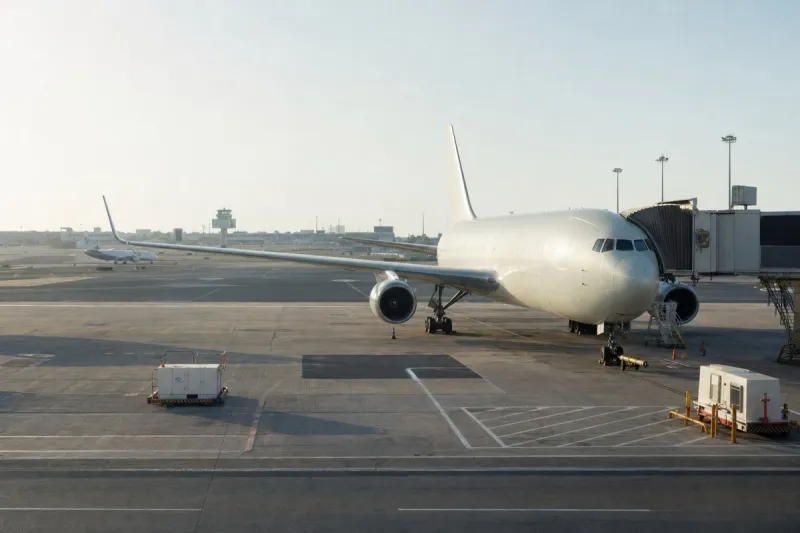
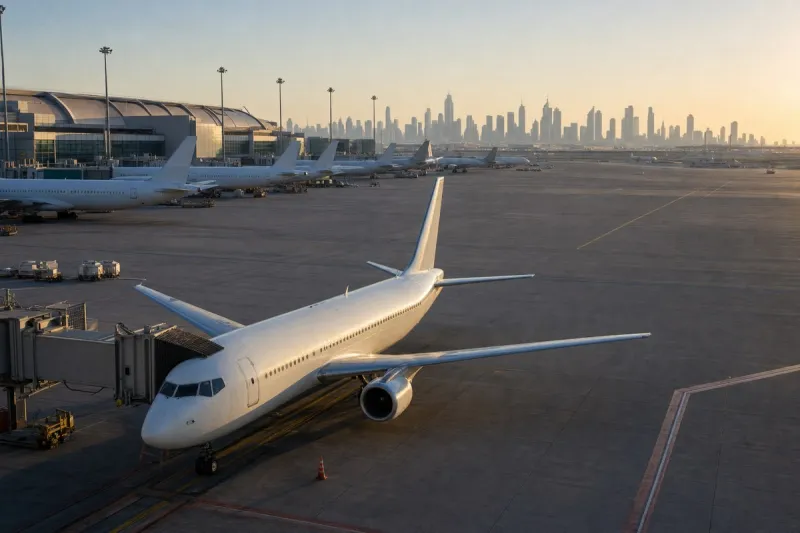
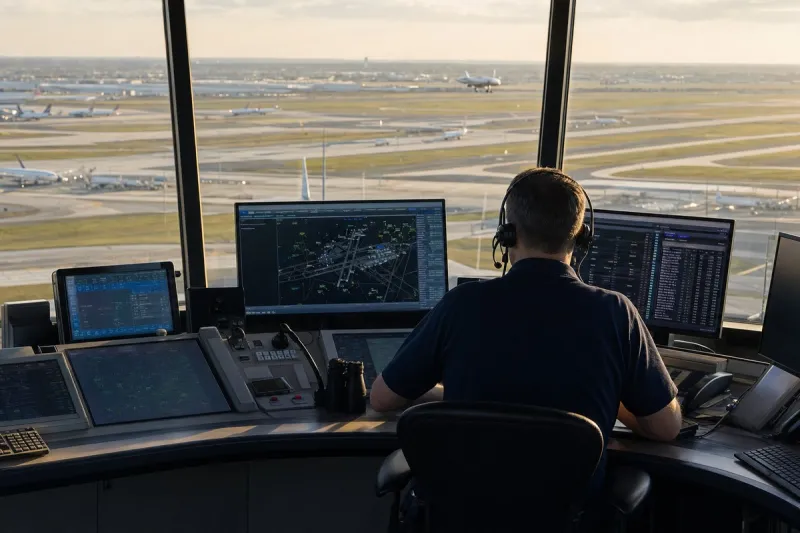
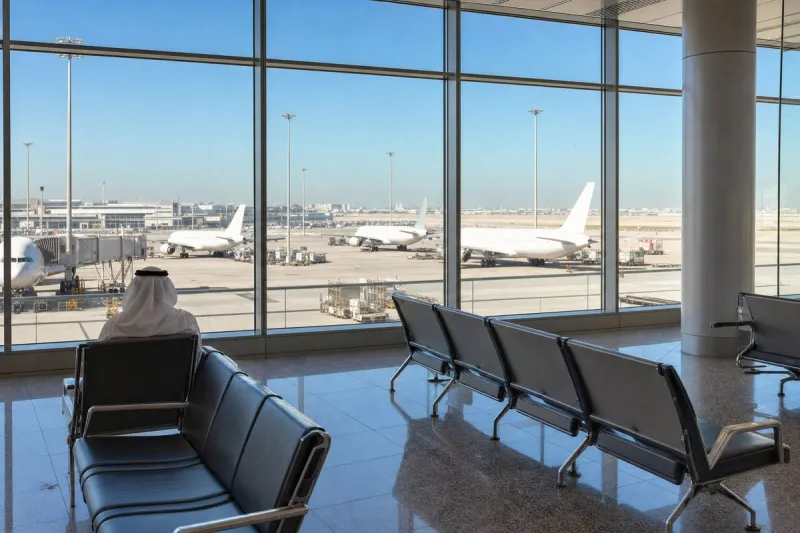
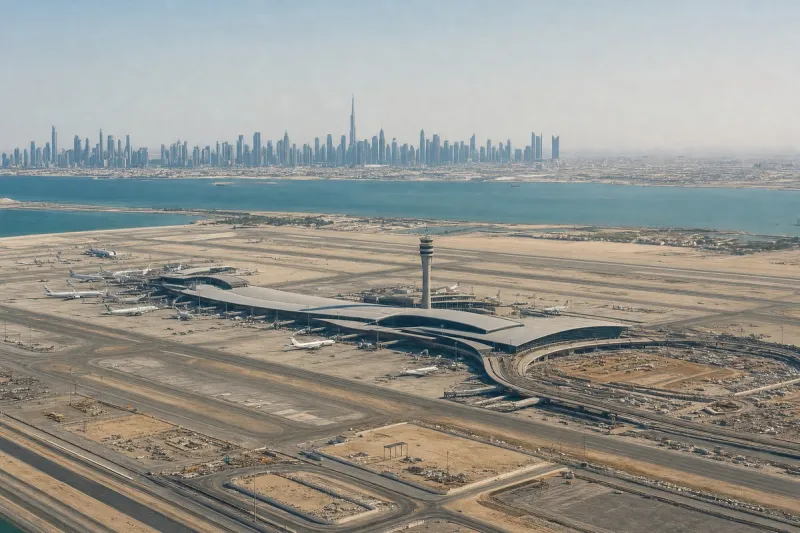
Air travel between the UAE and parts of the region continues to face disruption, with some airlines adjusting services to Saudi Arabia and other regional destinations and cancellations and delays affecting passengers.
Travellers are advised to check with their airlines before leaving for the airport, and residents are urged to follow official UAE government announcements.
Industry impact & what to watch
Gulf aviation runs on dense hub-and-spoke networks, so when missile activity touches Riyadh and shipping incidents cluster near the Strait of Hormuz, the effect shows up first in schedules rather than in any single airport closure. Airlines adjust Saudi and other regional services in short cycles, and the cost lands on passengers through cancellations, delays and rebooking.
For charter and business-aviation operators serving the region, the same pattern applies in a different form: trip planning has to treat route availability, destination access and insurance posture as moving variables. Verifying the current state of each leg shortly before departure, rather than relying on last week's picture, is the working discipline in this environment.
The next signals are the diplomatic track the report describes, where sanctions, frozen assets, compensation and the nuclear programme remain unresolved, and any further airline schedule notices for Saudi and regional destinations.