Four Volcanic Eruptions Disrupted Commercial Aviation, and No Single Rulebook Governs Airline Ash Decisions
Why It MattersAsh decisions sit inside each carrier's own safety-management system, so identical forecasts can produce different go or cancel outcomes, and aviation has no single rulebook to anchor those choices.
What happened
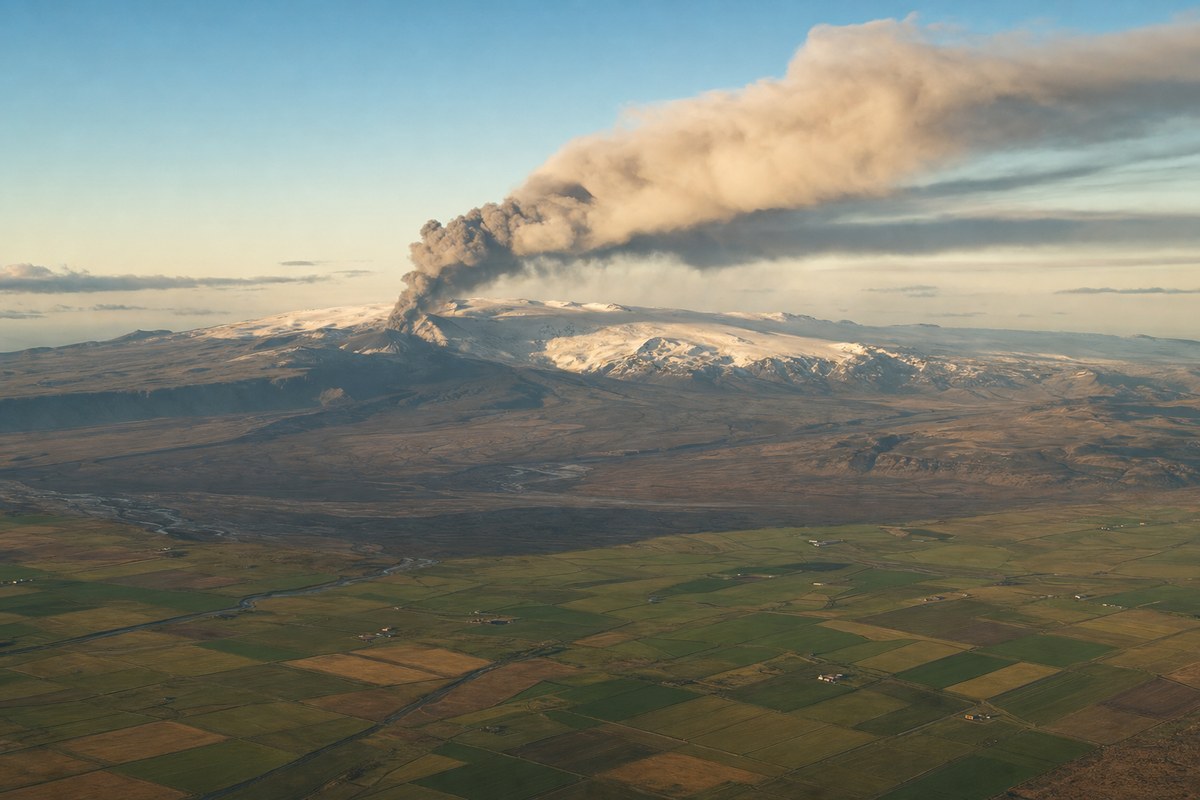
Four volcanic eruptions in the modern jet age have grounded or endangered commercial flights. The largest was Iceland's Eyjafjallajökull in April 2010, which led to more than 100,000 flight cancellations and grounded just under 30% of worldwide scheduled passenger capacity. European airspace was progressively closed over seven days.
IATA put airline losses at about US$400 million per day at the peak. The Association of European Airlines said its members lost just under €200 million overall.
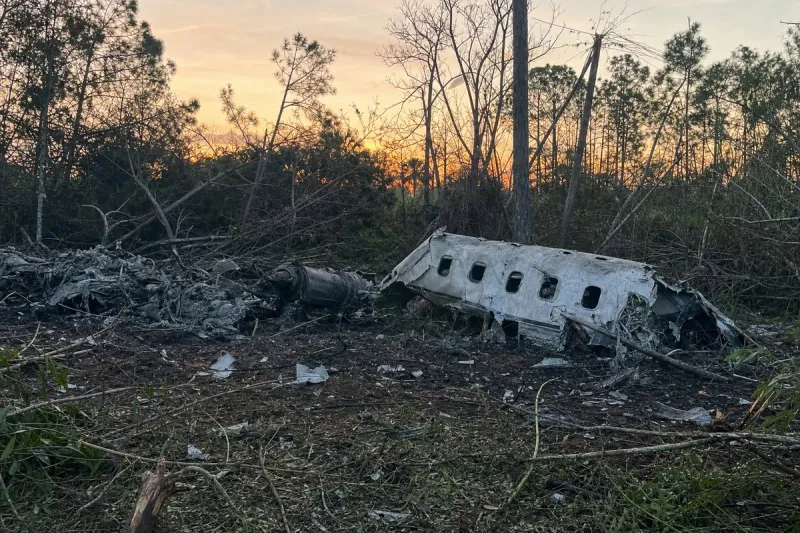
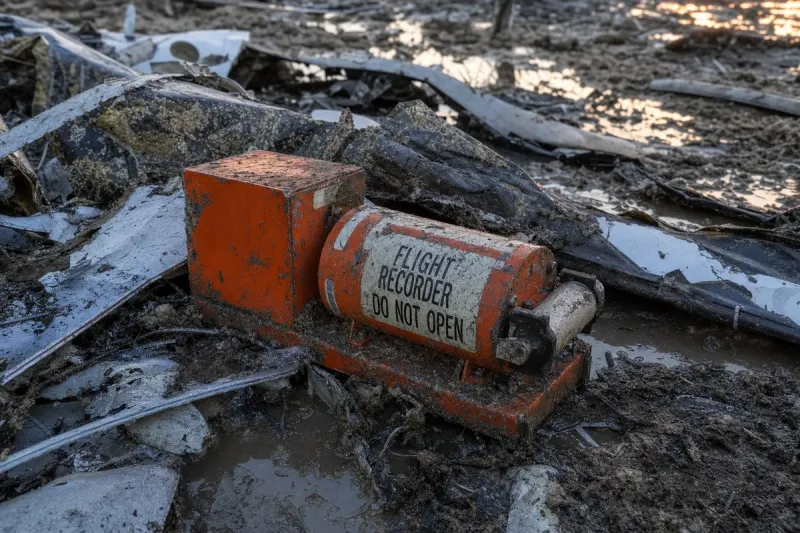
The other events are earlier. On December 15, 1989, KLM Flight 867, a Boeing 747-400, lost power in all four engines after flying into ash from Alaska's Redoubt volcano. The crew restarted the engines and landed safely at Anchorage. The National Weather Service assessment puts the aircraft damage at about US$80 million, within an estimated US$160 million total economic cost for the 1989-90 eruption.
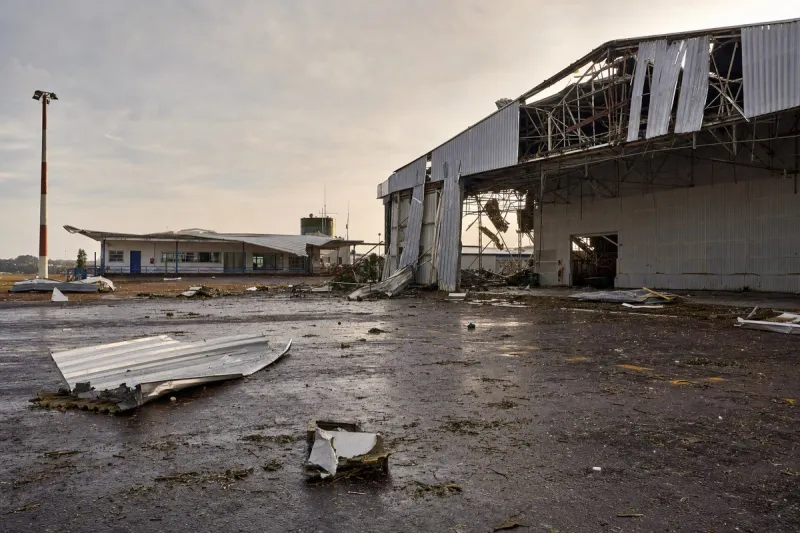
In June 1991, the Pinatubo eruption in the Philippines buried Clark Air Force Base under roughly 175 mm of ash and closed it permanently. The USGS reports damage to 16 aircraft.
On regulation, ICAO Document 9691 is guidance addressed to states and to the organizations in the International Airways Volcano Watch, not a binding rule. ICAO Annex 6 requires operators to build volcanic-ash mitigation into their approved safety-management systems.
Industry impact & what to watch
Because Annex 6 pushes ash mitigation into each operator's approved safety-management system while Document 9691 stays advisory, the decision to fly or cancel rests with the individual airline. Two carriers can therefore reach different decisions from the same forecast. That makes ash events a test of each operator's own procedures as much as of the eruption itself.
The cost pattern across the four events runs from a near-catastrophic engine failure with a safe landing in 1989 to a week of continental airspace closure in 2010. Exposure is not confined to the aircraft: it extends to airport infrastructure, as the permanent closure of Clark Air Force Base shows, and to network-wide capacity.
For operators and charter planners the practical question is how an airline's own go/no-go procedure was written, since no consolidated public source of major airlines' complete procedures has been identified. Passenger reimbursement is similarly unsettled: the record does not establish a universal rule, so recovery for stranded travelers depends on the carrier and the jurisdiction involved.