Middle East Airports Log 775 Delays and 108 Cancellations on Monday as Iran War Disrupts Air Travel; Saudi Arabia Worst Hit
Why It MattersConflict-driven disruption is spreading from outright airspace closure into prolonged schedule suspensions and advisories, leaving Gulf hub traffic dependent on foreign carriers' individual return decisions and on diplomatic developments.
What happened
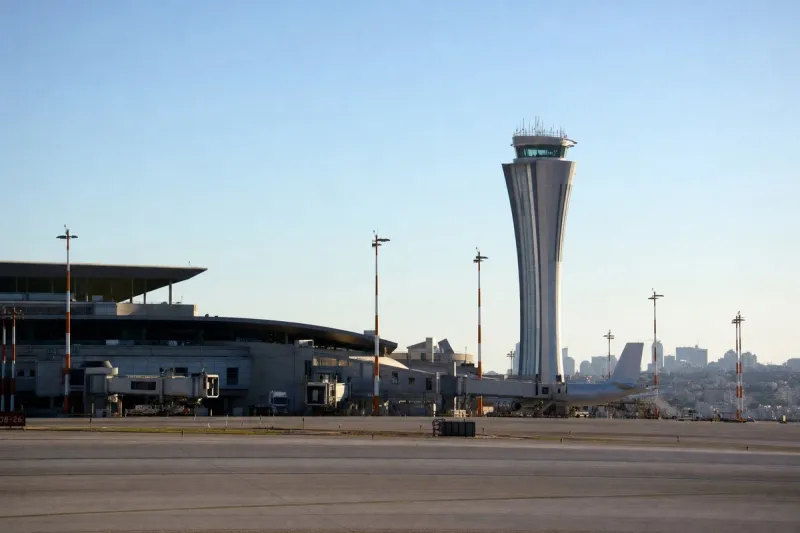
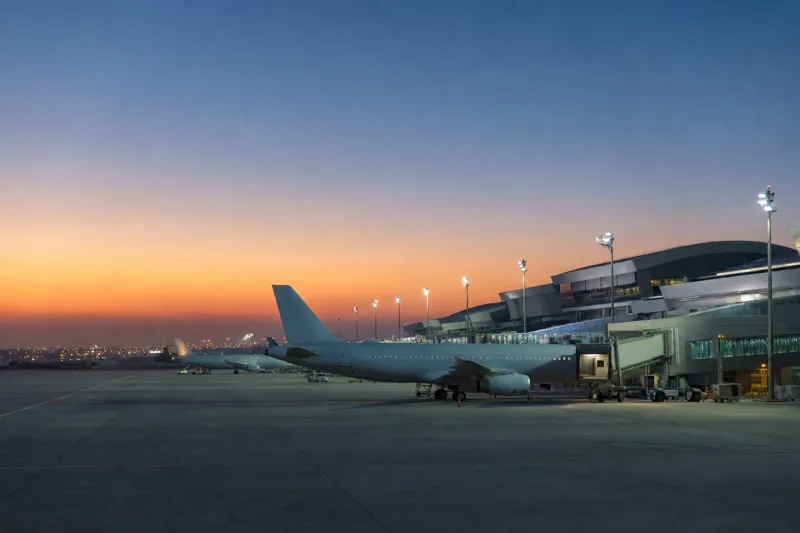
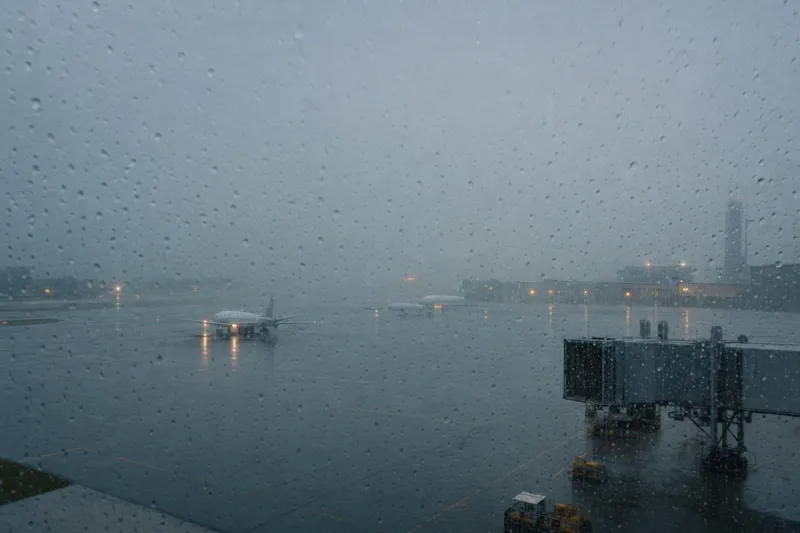
Airports across the Middle East recorded 775 delays and 108 cancellations on Monday as the war involving Iran continued to disrupt air travel, according to a FlightAware-based tally compiled by Travel and Tour World. Saudi Arabia, the United Arab Emirates, Bahrain, Kuwait and Oman all reported operational problems. Most major hubs remain open but operate under restrictions, regulatory advisories or reduced airline schedules.
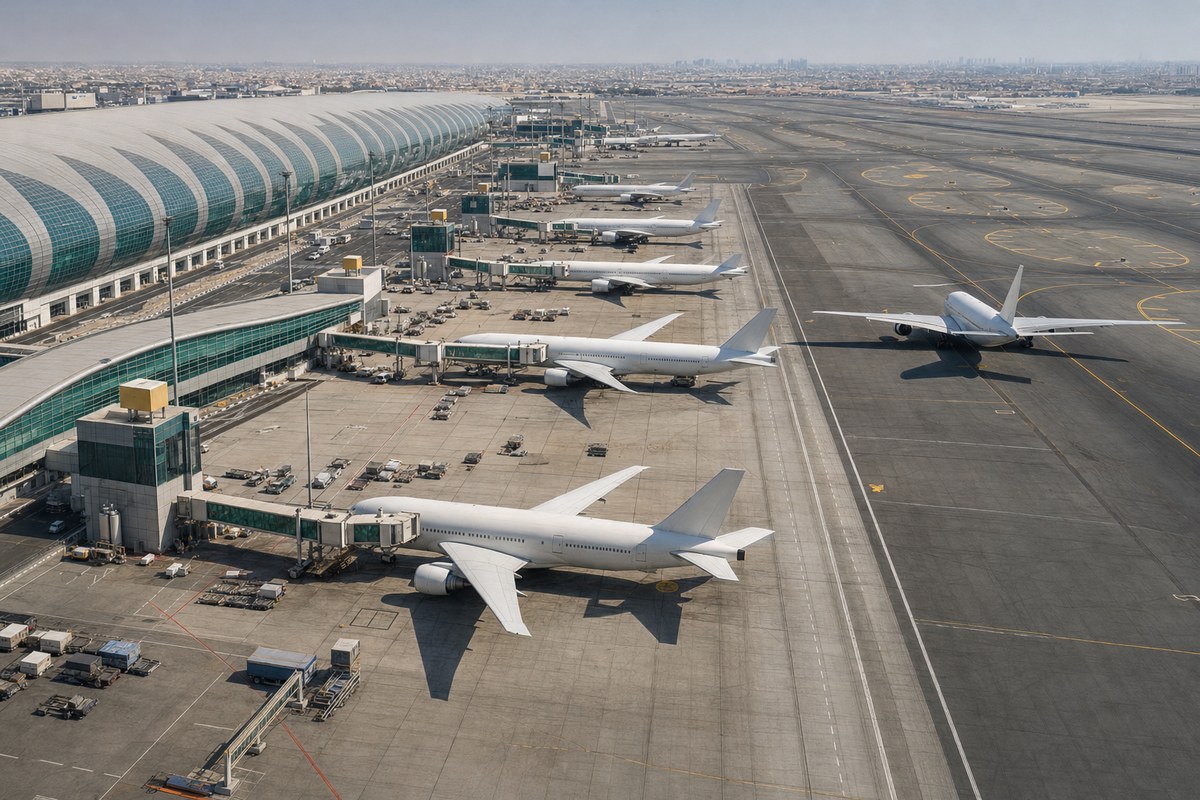
Dubai International Airport remains open, with Emirates and flydubai operating flights, and logged 181 delays and three cancellations, the most delays of any airport in the data. Emirates has cancelled flights linking Dubai with Riyadh and Dammam, along with some Jeddah flights. King Abdulaziz International Airport in Jeddah stayed open but had the most cancellations in the region, with 96 delays and 37 cancellations. Etihad has suspended some Jeddah flights through Nov. 5, and British Airways has permanently ended its Jeddah service.
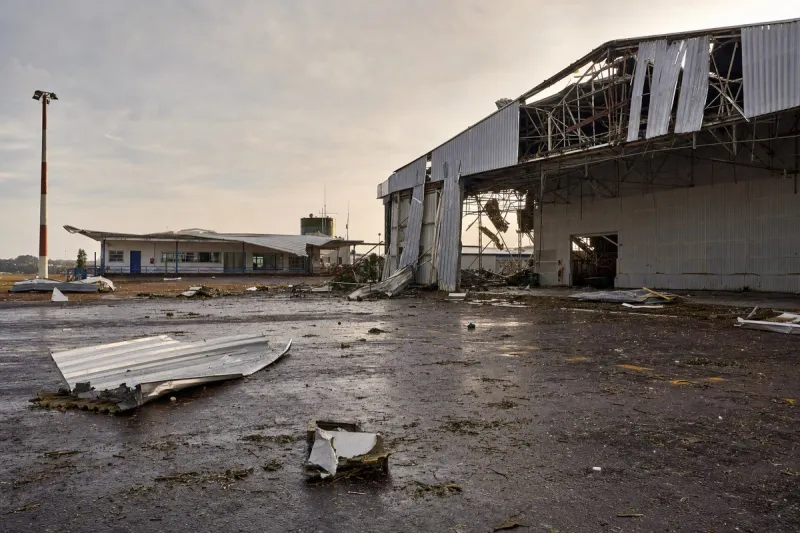
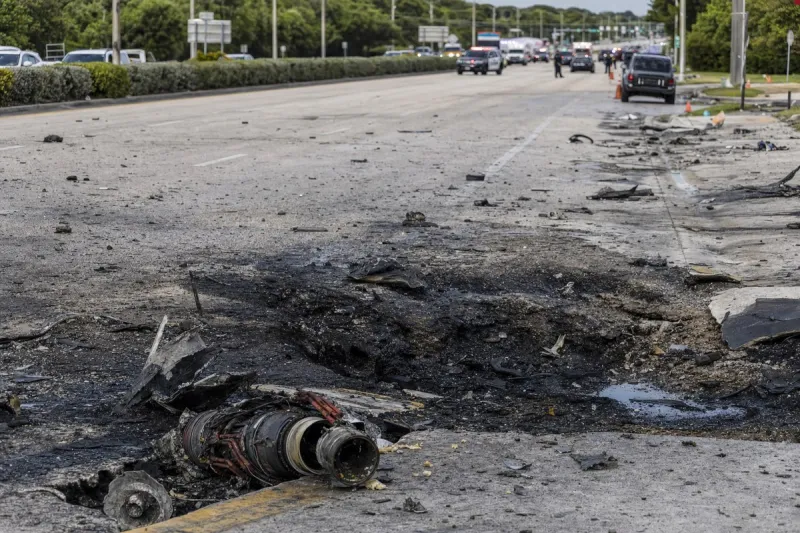
King Khalid International Airport in Riyadh is operating under restrictions after attacks in October; aircraft movements require prior permission from Saudi Arabia's General Authority of Civil Aviation. It recorded 12 delays and 33 cancellations, and Air India, IndiGo, KLM and Etihad have suspended Riyadh service. King Fahd International Airport in Dammam, hit in an attack on Oct. 21, has resumed operations but several foreign airlines have not restored normal schedules; it recorded 32 delays and seven cancellations.
Saudi Arabia accounted for most of the cancellations: five Saudi airports together reported 176 delays and 83 cancellations. Abha Regional Airport is closed overnight from 6 p.m. until Nov. 5, and Medina reported 29 delays and three cancellations. Budget carrier flyadeal cancelled 16 flights, about 9% of its tracked schedule, while Air Arabia had the most delays of any carrier listed, with 61 flights, or 28% of its schedule, running late. The disruption follows a series of Houthi attacks on Saudi military sites, oil facilities and transport infrastructure as fighting in Yemen has intensified.
Elsewhere, Doha's Hamad International Airport is open, though schedules and routes may change, and Abu Dhabi's Zayed International Airport continues to handle flights. Finnair has extended its Doha suspension until March 27, 2027, British Airways has cut flights on its Doha route, and Wizz Air has cancelled all Abu Dhabi and Dubai flights for the winter season.
Airline suspensions and airspace advisories
The European Union Aviation Safety Agency continues to issue conflict-zone guidance. Its Saudi advisory, revised Oct. 9, recommends airlines avoid parts of the Jeddah flight information region and use caution elsewhere, and a separate advisory covers parts of the airspace over Gulf waters. Both are valid until Nov. 16, subject to review. They can force longer routes but do not mean airports are closed.
Several foreign airlines have extended suspensions. Singapore Airlines has suspended Dubai to Feb. 28, 2027, Lufthansa postponed its return to Nov. 25, and KLM suspended Dubai flights until March 27, 2027. British Airways is scheduled to resume Dubai flights on Tuesday, Nov. 3. Air Canada, KLM, British Airways and Finnair are among the carriers that have extended suspensions in the region.
Industry impact & what to watch
The pattern in the data is of airports that stay open while the airline network around them thins out. Dubai tops the delay count yet logged only three cancellations, whereas Jeddah and Riyadh, where carriers have suspended or ended service, carry the cancellations. For business aviation that distinction matters: an open airport with restricted movements, as at Riyadh, still demands prior permission, and advisory-driven rerouting adds distance and planning time even where nothing is shut.
The suspension dates also show how long airlines are planning around this. Commitments running into 2027 for Dubai and Doha, alongside a permanent exit from Jeddah, indicate that scheduled capacity is being pulled for months rather than days, which tends to push demand toward flexible alternatives and makes any single day's tally a poor guide to the underlying trend.
The next concrete markers are dated: the EASA advisories fall due for review on Nov. 16, Lufthansa's postponed return is set for Nov. 25, and British Airways is due back in Dubai on Nov. 3. Airline decisions after Tuesday's U.S. midterm elections, and the outcome of U.S.-Iran peace talks, could shape the next round of schedule changes.