Piper PA-30 Landing Gear Collapses on New Orleans Landing After Torque Arm Failure
Why It MattersGear-collapse accidents traced to a single failed linkage component show that mechanical condition of the retraction system, not pilot technique, can decide the outcome of an otherwise routine landing.
What happened
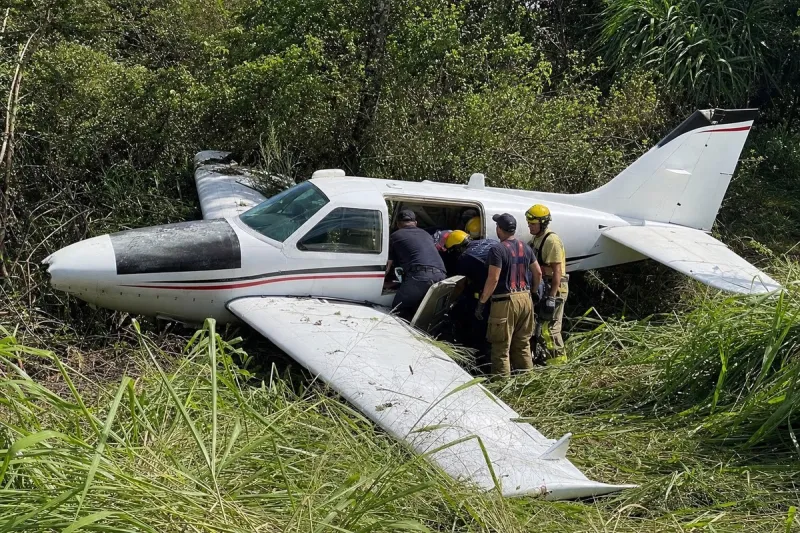
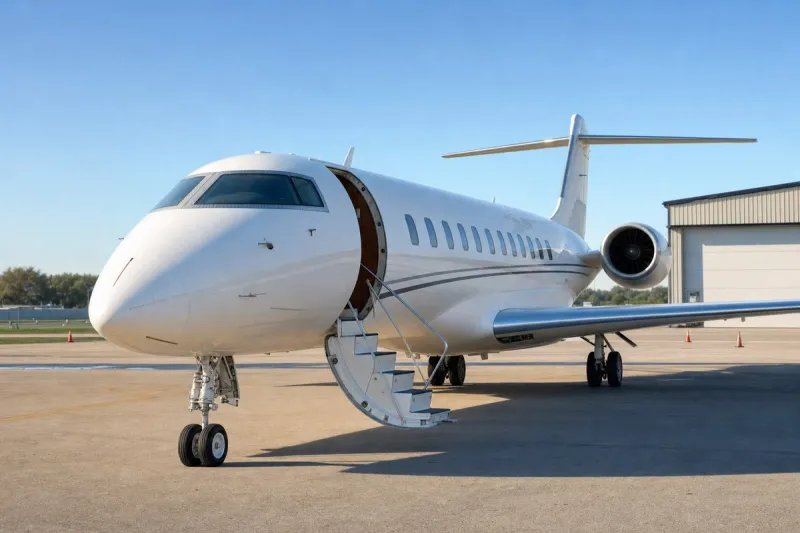
A Piper PA-30 sustained substantial damage when its landing gear collapsed during landing at an airport in New Orleans. The pilot said that on approach he extended the landing gear and all three green gear indication lights illuminated, although the gear took longer to extend than expected.
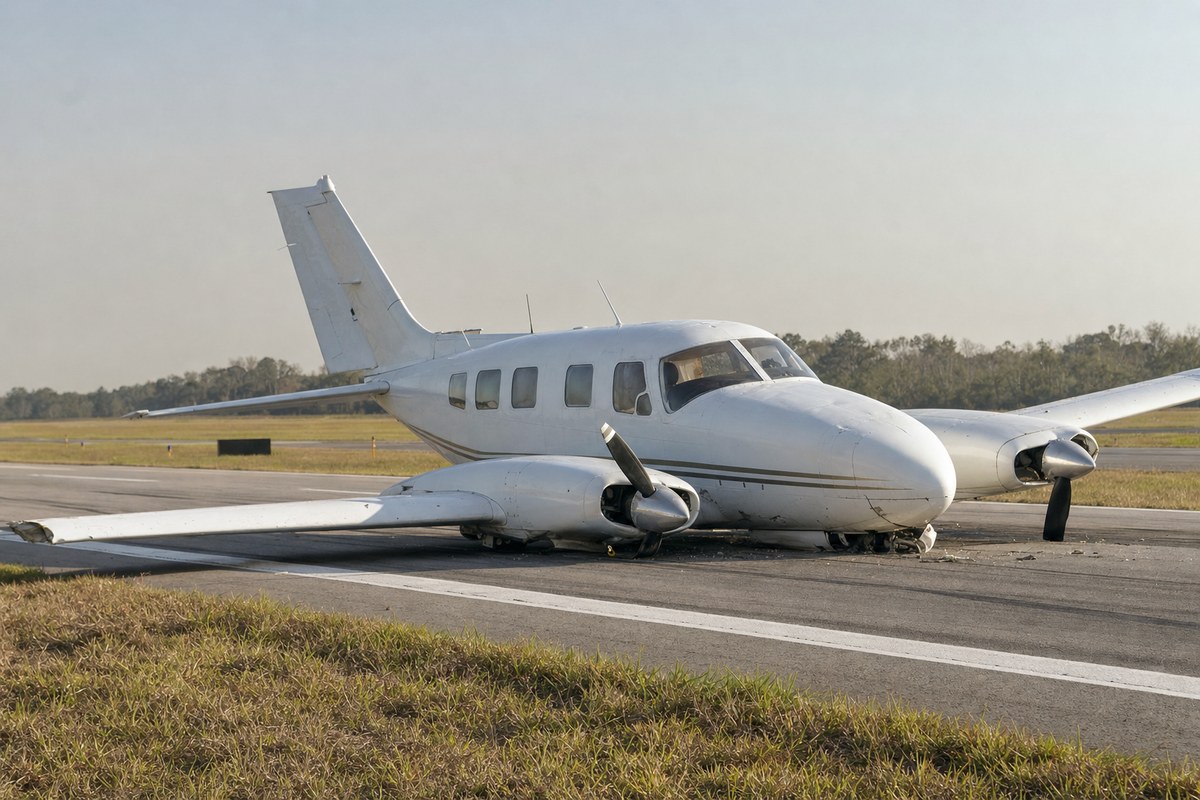
Crosswind was minimal and not gusting, and the pilot lowered the right wing into the crosswind. On touchdown, the right wing dropped and struck the runway, the nose gear collapsed and the gear warning horn sounded. The airplane continued off the right side of the runway and came to rest upright in the grass.
Post-accident examination found the left torque arm for the right gear and nose gear broken. The nose gear push-pull rod and the rod end for the right gear push-pull cable had detached from that left torque arm. The right torque arm for the left gear was intact, and the rod end for the left gear push-pull cable remained attached and functional.
Industry impact & what to watch
The probable cause the NTSB assigned was failure of a landing gear torque arm, which led to the gear collapse and runway excursion. The pilot's account is notable for what looked normal: three green lights showed, so the cockpit indication gave no sign that a structural link had already failed.
In retractable-gear twins, green lights confirm the position of the gear and not the integrity of the arms and rods that carry loads on touchdown. A slow extension, as the pilot described, is the kind of cue that sits between a routine observation and a maintenance finding, and it is only useful if someone acts on it before the next landing.
The accident report is dated October 2024 and is published as an educational case study, so it is a closed finding rather than an open investigation. The finding that matters for fleet owners and maintenance shops is the failure location itself: the torque arm and the attachments of the push-pull components, which are the points the examination singled out.