FAA Ends Single-Pilot Exemptions for Legacy Cessna Citation Jets After Audit Finds 13 of 14 Training Providers Noncompliant
Why It MattersThe ruling shows regulators will withdraw long-standing relief fleet-wide when oversight of the endorsement system fails, shifting legacy light-jet operations toward two-pilot crewing and a larger demand for qualified second-in-command pilots.
What happened
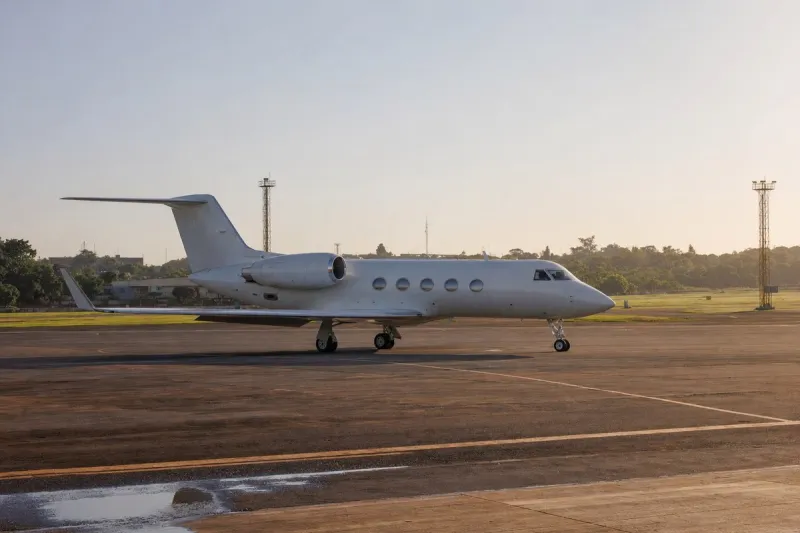
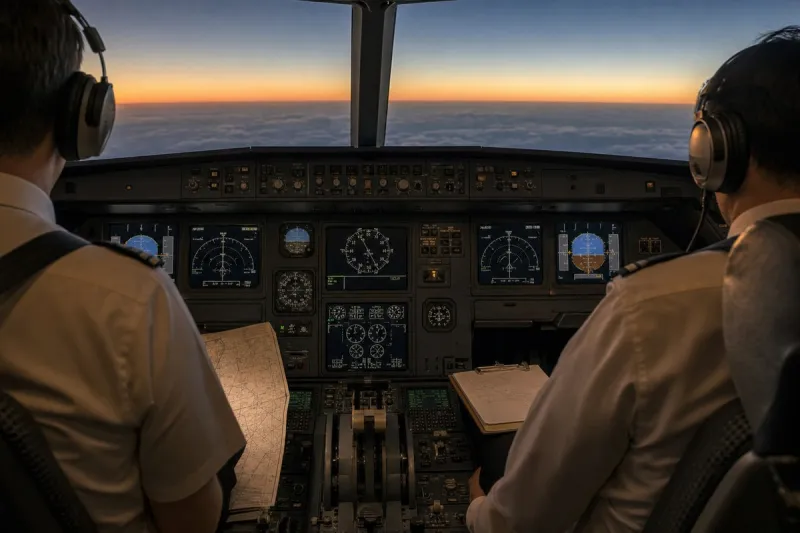
The Federal Aviation Administration has ended the single-pilot exemptions that for about 40 years allowed the legacy Part 25 Cessna Citation CE-500 series to be flown without a qualified second in command. The agency said the change followed an audit of US training providers prompted by two fatal crashes of single-piloted Citations in 2025. In that audit, 13 of 14 providers were found to be out of compliance. From September 29, owners need a qualified second in command on every flight.

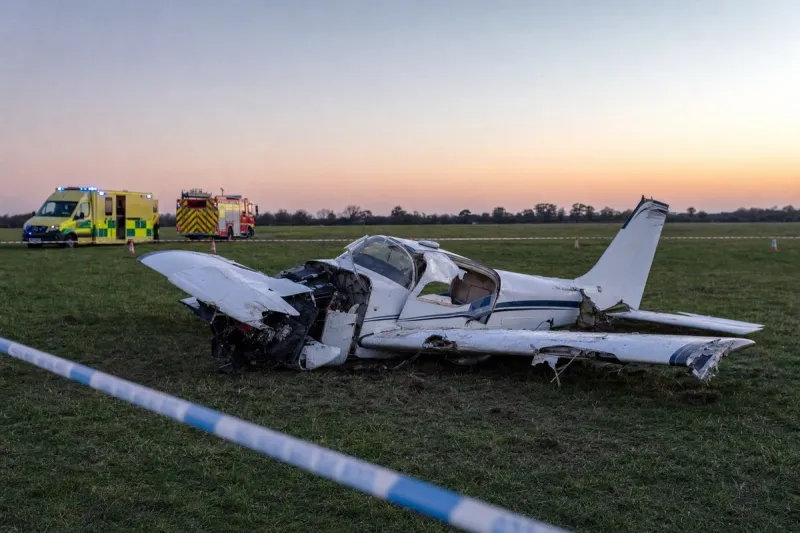
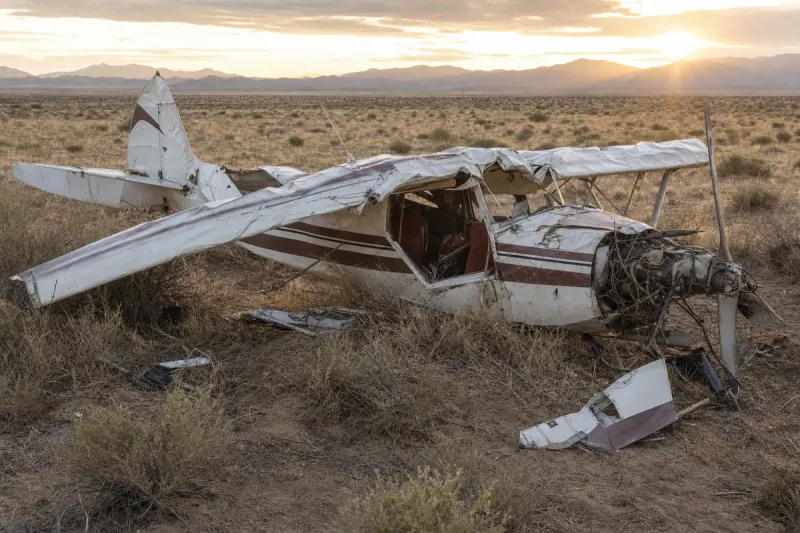
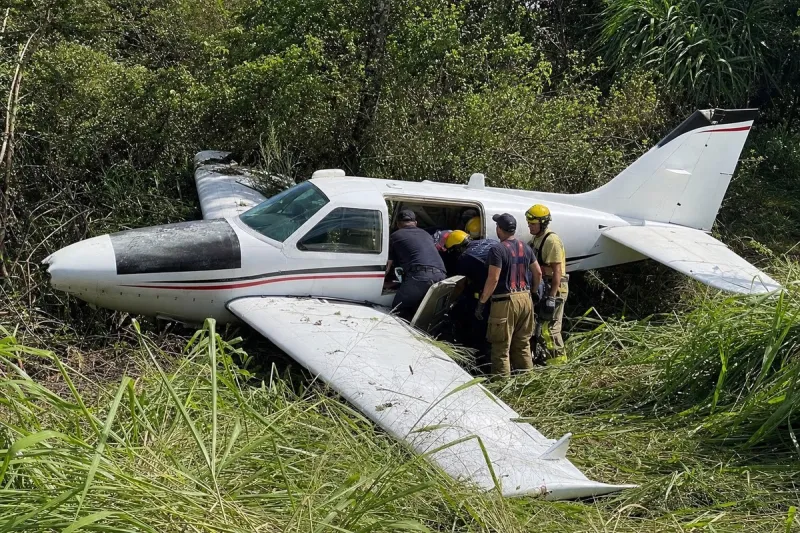
The crashes occurred on May 22 and December 18, 2025. A Citation S550 struck power lines on approach in San Diego on May 22, killing the pilot and five passengers, six occupants in all. On December 18, a Citation 550 carrying NASCAR driver Greg Biffle and six others, including his family, hit approach lights and crashed short of the runway at Statesville Regional Airport in North Carolina, killing all seven aboard. NTSB preliminary reporting indicates the San Diego pilot had been cleared for single-pilot flight only months earlier.
The FAA found incorrect training, incomplete check rights and falsified records among providers authorized to endorse the exemptions. Its review found incomplete records, required flight training conducted in an advanced aviation training device that the exemption's conditions did not allow, and examiner checks involving falsified records. The FAA terminated the designations of examiners found to have forged documents. The agency also reviewed 18 years of CE-500 series accidents and found that single-pilot aircraft had twice as many mishaps as dual-pilot jets.
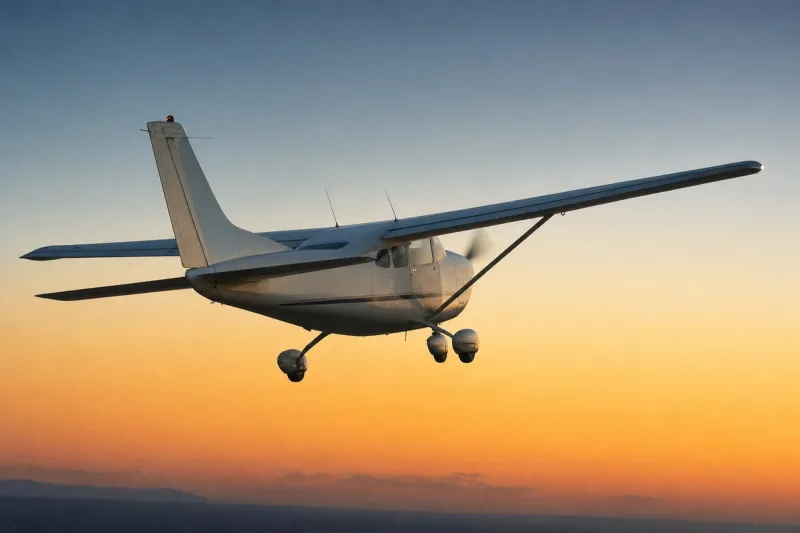
Section 91.531 requires a second in command in any airplane certificated for more than one pilot or weighing more than 12,500 pounds (5,670 kg). The FAA began granting waivers for specially endorsed solo pilots in 1984. Models no longer single-pilot authorized are the Model 500 Citation, Citation I, 550 Citation I, S550 Citation S/II, 560 Citation V, Citation Ultra, 550 Bravo, 560 Encore, 560 Encore+ and the 552 Navy T-47A.
Who is affected, and who is not
The action affects only the legacy Part 25 CE-500 series. Citations originally certified for single-pilot operation are unaffected, including the Citation M2 / M2 Gen2, CitationJet (CJ1 / CJ1+), CJ2 / CJ2+, CJ3 / CJ3+ and CJ4 / CJ4 Gen2. The Model 501, a single-pilot version of the Citation I, and the 551, based on the Citation II, are also outside the change.
Citation Jet Pilots chief executive Rob Balzano commented on the requirement for a qualified second in command, as quoted by GlobalAir.com.
Industry reaction
NBAA and Citation Jet Pilots acknowledged the safety rationale but filed a Freedom of Information Act request for the FAA's full analysis. The Aircraft Owners and Pilots Association, in a letter to FAA Administrator Bryan Bedford, urged the agency to withdraw relief only from operators that failed the exemption's minimum standards.
At the industry convention in Las Vegas, NBAA's Kristie Greco Johnson told Bedford that data might support a path back to single-pilot flying through a supplemental type certificate. FLYING reported that Bedford defended the ban on safety grounds.
Industry impact & what to watch
The FAA did not narrow the relief to the providers that failed; it withdrew it for the whole legacy CE-500 series. That is the central contrast with the position AOPA put to the Administrator, and it shows how a regulator can respond when the weak point is the endorsement system rather than the airframe. Exemptions that rest on third-party training and examiner checks are only as durable as the audit record behind them.
For the segment, the practical effect is on crewing economics. Owner-flown and single-pilot-operated legacy Citations now need a second qualified pilot on every flight, which adds a recurring cost and a staffing requirement to an older, lower-priced end of the light-jet fleet. Newer single-pilot-certified Citations sit outside the rule, which sharpens the operating-cost gap between the two groups.
The items still open are the ones the parties themselves have raised: the response to the Freedom of Information Act request for the FAA's full analysis, and whether the supplemental type certificate path discussed in Las Vegas moves from suggestion to a formal proposal. The September 29 date is the point at which the requirement applies to every flight.