Flávio Bolsonaro Leaves Brazil for the US as Washington Prepares Visas; Baires Fly Gulfstream G400 Stayed Grounded at Puerto Iguazú
Why It MattersCharter and business-jet operators sit directly in the path of cross-border legal disputes: customs requests, flight plans and regulator authorizations become the points where political events reach aviation operations.
What happened
Flávio Bolsonaro has left Brazil bound for the United States, and Washington is preparing to issue visas for him and his family, a State Department official confirmed to CNN. He departed after defying a court order that barred him from leaving the country and required him to hand over his passports. His exact destination in the US is unconfirmed: a US official first mentioned Florida and later said the arrival point was not clear.
Supreme Federal Court justice Alexandre de Moraes had ordered on Monday that Bolsonaro hand over his ordinary and diplomatic passports within 24 hours and not leave the country, in connection with investigations into alleged corruption, money laundering and foreign exchange evasion. The deadline expired on Tuesday morning without the documents being surrendered. Brazil's Federal Police cancelled his passports and recorded no regular departure through migration checkpoints. No arrest warrant was in place at the time he left, although legal analysts say defying the order may be enough for one to be issued.
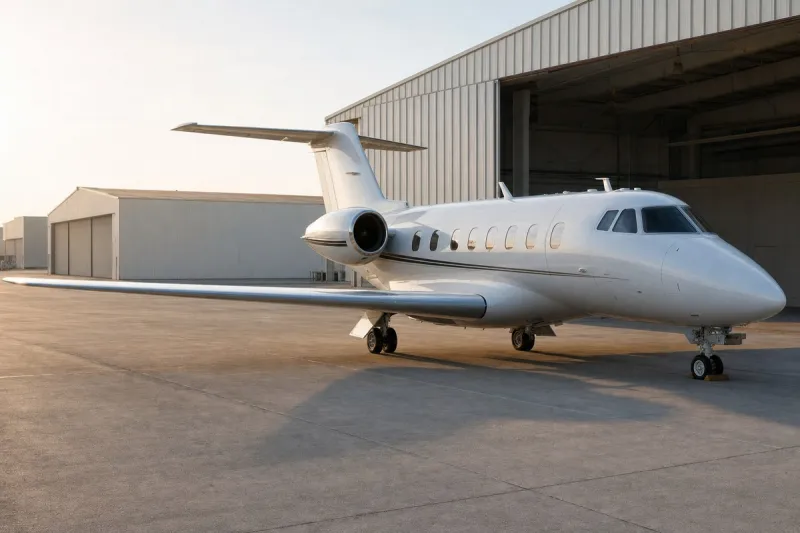
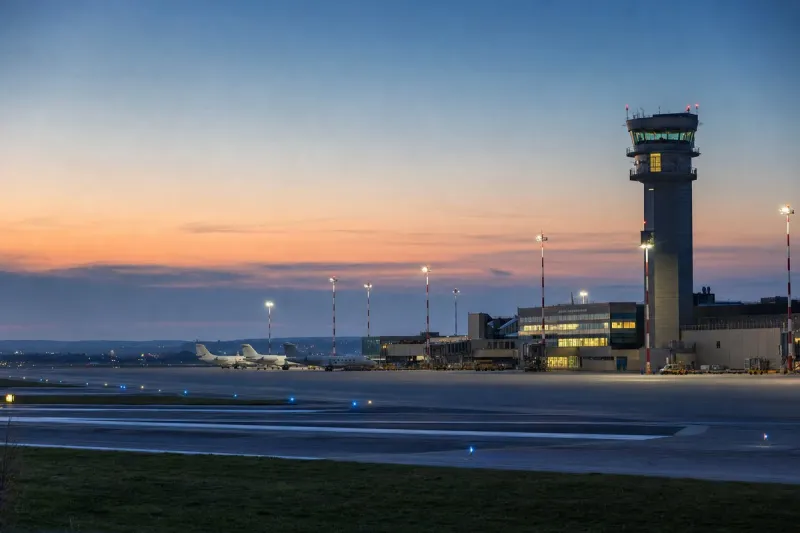
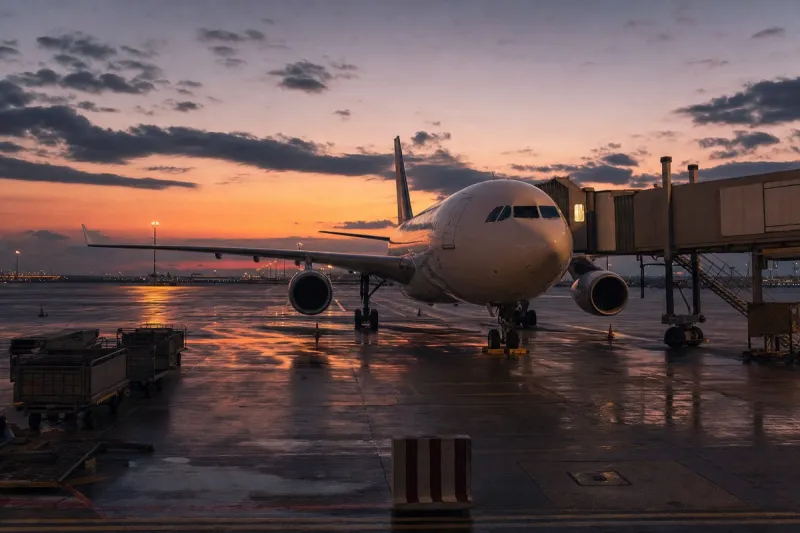
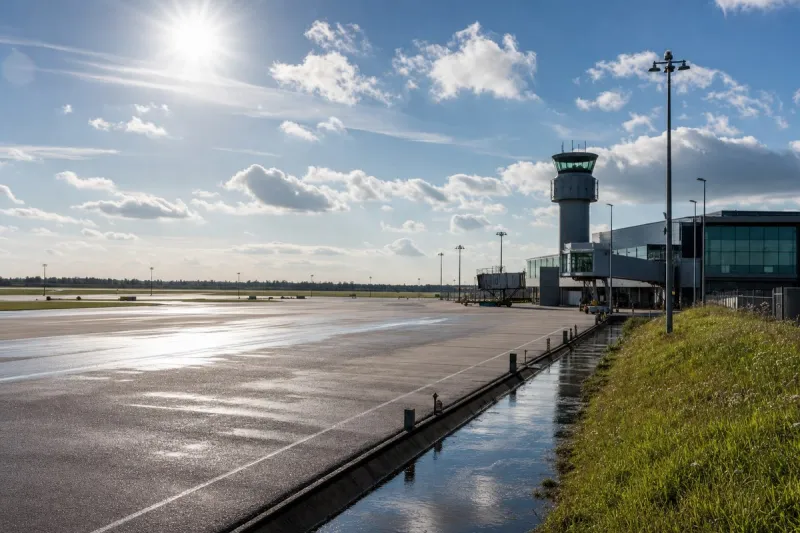
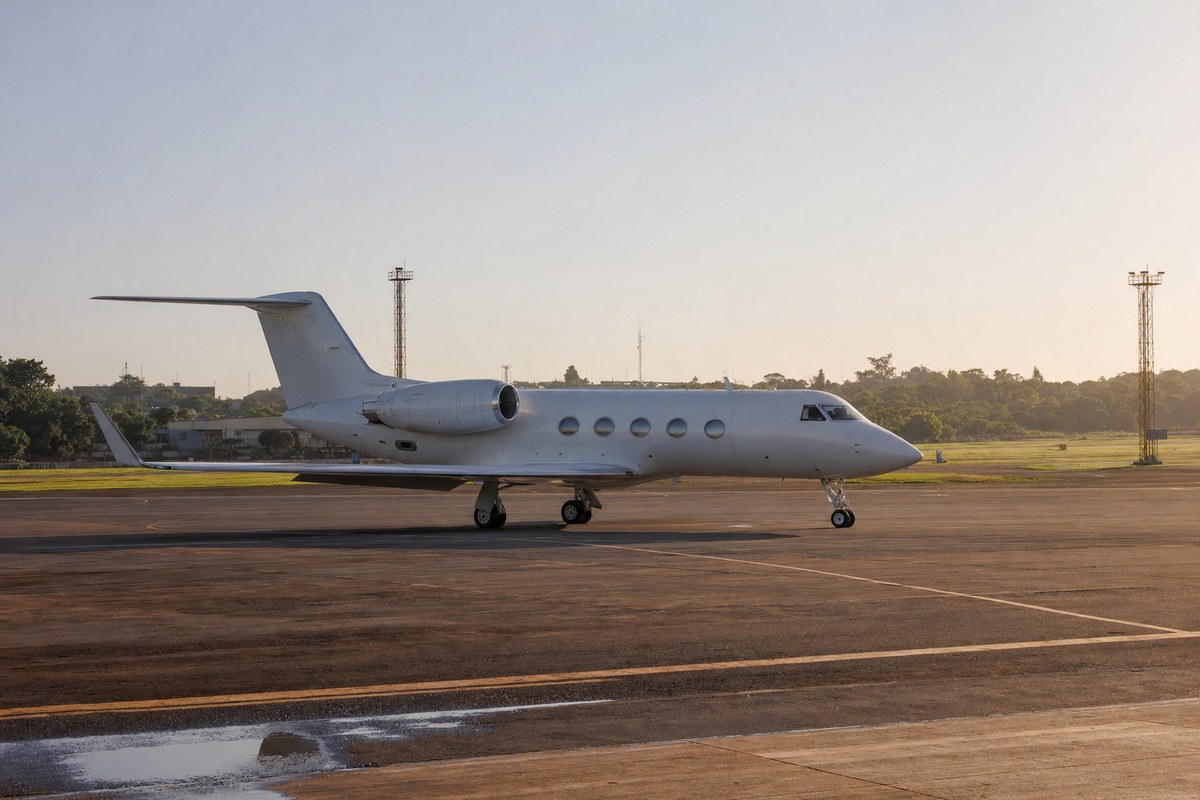
The most visible trace of the operation was at the Triple Frontier. Argentine operator Baires Fly requested customs and immigration procedures for a flight from Puerto Iguazú (IGR) to the United States, with Opa-Locka or Miami/Fort Lauderdale mentioned in different versions, carrying four passengers and three crew members, scheduled to depart at 02:00 on Tuesday. The flight did not go ahead. Sources cited by Clarín and other outlets said one of the passengers had a problem and that ANAC did not authorize the takeoff, so the Gulfstream G400 LV-JQW remained on the apron.
Argentina's National Migrations Directorate said it had no record of Bolsonaro entering the country and that, after the media attention, checks were carried out on the aircraft and its crew. It said Baires Fly's documentation was in order and that no flight plan including the Bolsonaro family was filed. The Casa Rosada spokesperson said there had been no asylum request. Bolsonaro himself said police served him the order in person and, in an Instagram video, denied any intention of fleeing.
The aircraft and its record
The LV-JQW is a Gulfstream G400 built in 2004 (serial number 1524), powered by two Rolls-Royce Tay engines, with capacity for about 14 passengers and an estimated range of 7,000 to 7,800 kilometres. It has been registered in Argentina under Baires Fly's name since September 25, 2020, and previously flew under US and Mexican registrations including N524GA, N522AC, N522AG, XA-CHG and N152GA.
Over the past year it logged close to 290 movements, with Fort Lauderdale Executive (KFXE) its most frequent destination outside Argentina, plus regular operations to Brazil.
Industry impact & what to watch
The episode shows how an aircraft ends up at the centre of a political story without having flown. A customs-and-immigration request, a crew and passenger count, and a regulator's decision on takeoff are the documents and checkpoints through which a charter operator becomes visible to the public. Here the operator's paperwork was described by Argentina's migration authority as in order, and no flight plan including the family was filed, which is the kind of record that separates a requested departure from an executed one.
For the business-aviation segment, a long-range super-midsize jet of this class, with a registry history across Argentina, the US and Mexico and a regular Fort Lauderdale pattern, is a normal charter asset on the Argentina-Brazil-Florida axis. Cross-border demand of this kind runs through a handful of airports and a small number of operators, so a single high-profile request concentrates scrutiny on the whole corridor, including customs handling at secondary airports such as Puerto Iguazú.
The next settled points are institutional: Brazil's Federal Police continues its inquiries, including contacts with Argentine authorities, and any arrest warrant would be decided by the court that issued the original order. Those steps, not the aircraft, determine whether further operators or airports are drawn in.