UK 'a long way' behind on climate adaptation, airport leaders told at Airports UK conference
Why It MattersHeat and drought are becoming an operating-cost and infrastructure-planning issue for airports, but public spending limits and private-investment constraints leave the funding of resilience measures unresolved at the sector level.
What happened
Dr James Richardson, chief analyst at the Climate Change Committee, told the Airports UK conference in London that Britain is "a long way" from where it needs to be on achieving Net Zero and adapting to climate change. On adaptation and resilience he said "we're a long way behind what is needed." He noted that the very hot summer had alerted people to the issue and brought "a bit of a changed mood."
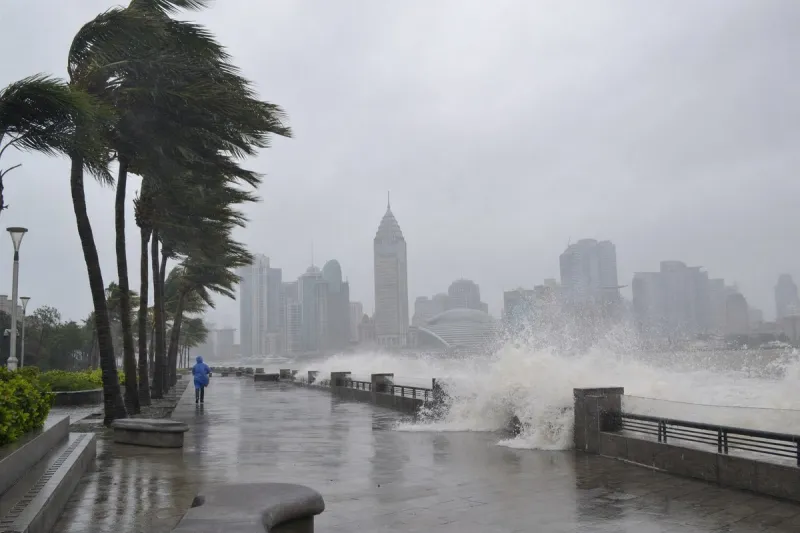
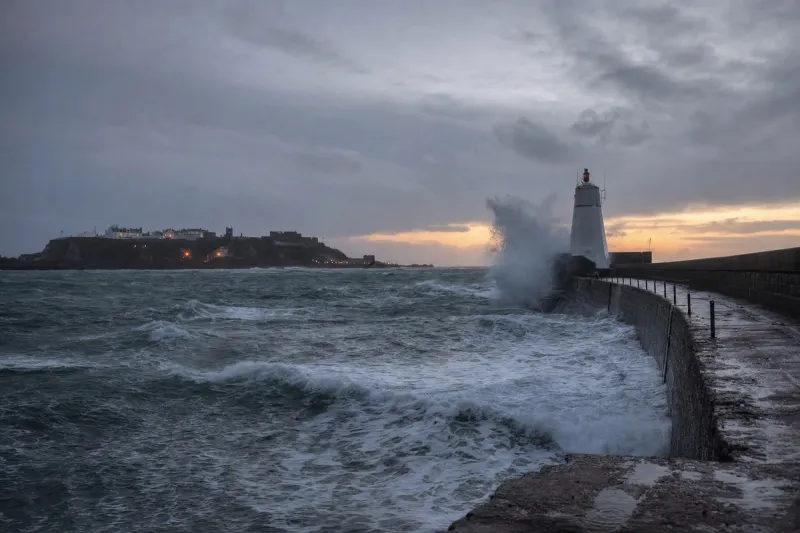
Richardson warned the situation "is going to get worse" because rising temperatures are "baked in", requiring adaptation to increasingly frequent extreme heat, floods and drought.
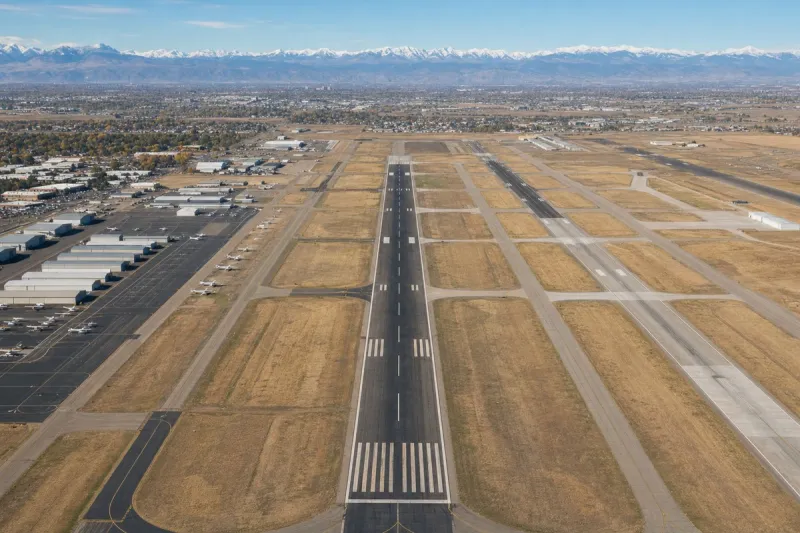
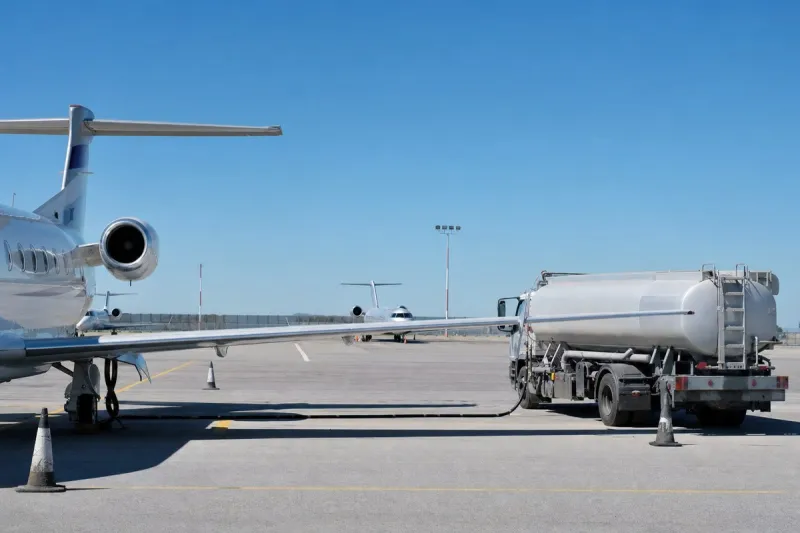
Met Office chief meteorologist Ian Lisk told the same conference: "We don't get normal weather anymore." He said he was working on floods while also assessing drought, and that the Southeast recorded 70-80 days without rain this summer. The Met Office is working with the Cabinet Office on scenarios for the next five years, and Lisk said "none of it is good news." He added that hot weather requires longer runways to get aircraft off the ground and is more expensive in fuel.
Jonny Saks, strategy and systems change director at the National Infrastructure and Service Transformation Authority (NISTA), said airports have a large carbon footprint but are also susceptible to shocks. He said the Cabinet Office is looking at a review of adaptation and its economic costs, and at how to respond if something goes wrong, while noting fiscal constraints and constraints on private investment.
Heathrow carbon strategy director Matt Gorman said climate change is "very much here" and that adaptation needs to be embedded in all systems. NISTA is a joint unit of the Treasury and Cabinet Office, set up last year. The Climate Change Committee advises the government on climate adaptation and reports to Parliament on the UK's progress.
Industry impact & what to watch
The speakers framed adaptation as an operational matter as well as an environmental one. Lisk's point that hot weather requires longer runways to get aircraft off the ground and costs more fuel ties temperature directly to payload, runway length and fuel burn, which are the variables that drive departure planning at any airport. For the business-aviation segment, which often uses shorter runways and smaller airfields, that link is worth tracking against local performance data.
The funding picture is the unresolved part. Saks acknowledged fiscal constraints and constraints on private investment even as the Cabinet Office looks at a review of adaptation and its economic costs. Adaptation spending competes with other priorities, and airports, which Saks described as both carbon-heavy and susceptible to shocks, would be expected to carry part of that cost.
The next concrete milestone is the Cabinet Office adaptation review and the five-year scenarios being prepared with the Met Office. What those documents say about airports, and who is expected to pay for resilience work, will show whether Gorman's call to embed adaptation in all systems becomes a funded programme.