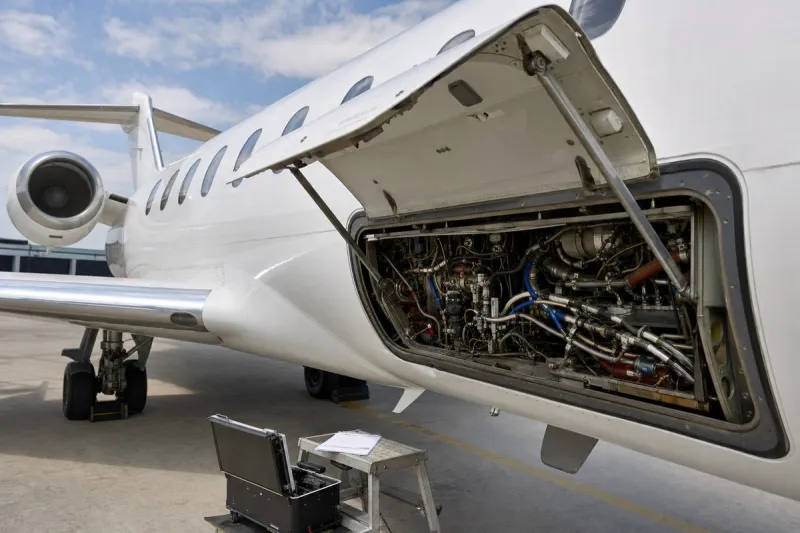
Airbus Fixed A380 Wing Rib Foot Cracks in 2012 Without Grounding Fleet; Other Wing Inspections Continue
Why It MattersThe A380's repeated wing findings show that a retired type still demands structural oversight, with inspection findings and not fleet size deciding how long the remaining aircraft fly.
What happened
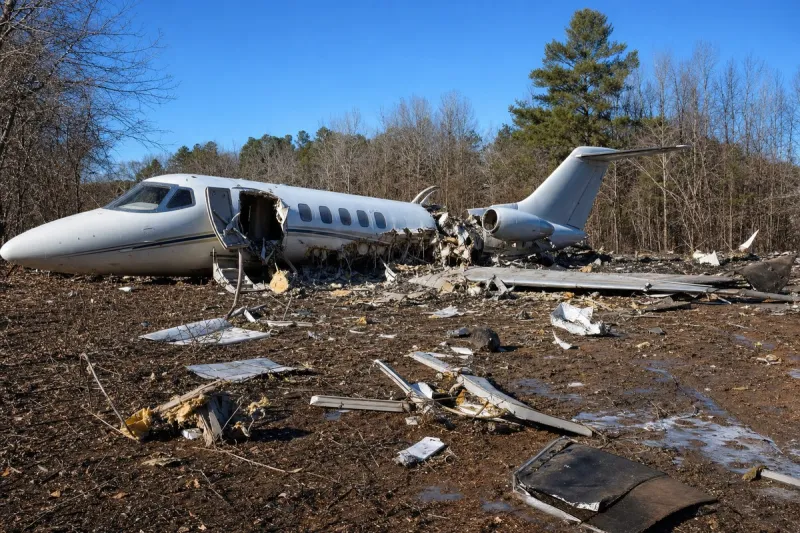
In 2012, cracks were found in the wing rib feet of the Airbus A380, the structural components inside the wing that connect the internal ribs to the wing skin panels. Nearly 80 A380s were in service worldwide at the time, and cracks were found on around 40 of them, roughly half the active fleet. Aircraft operated by Air France, Emirates and Singapore Airlines were among those with additional cracking.
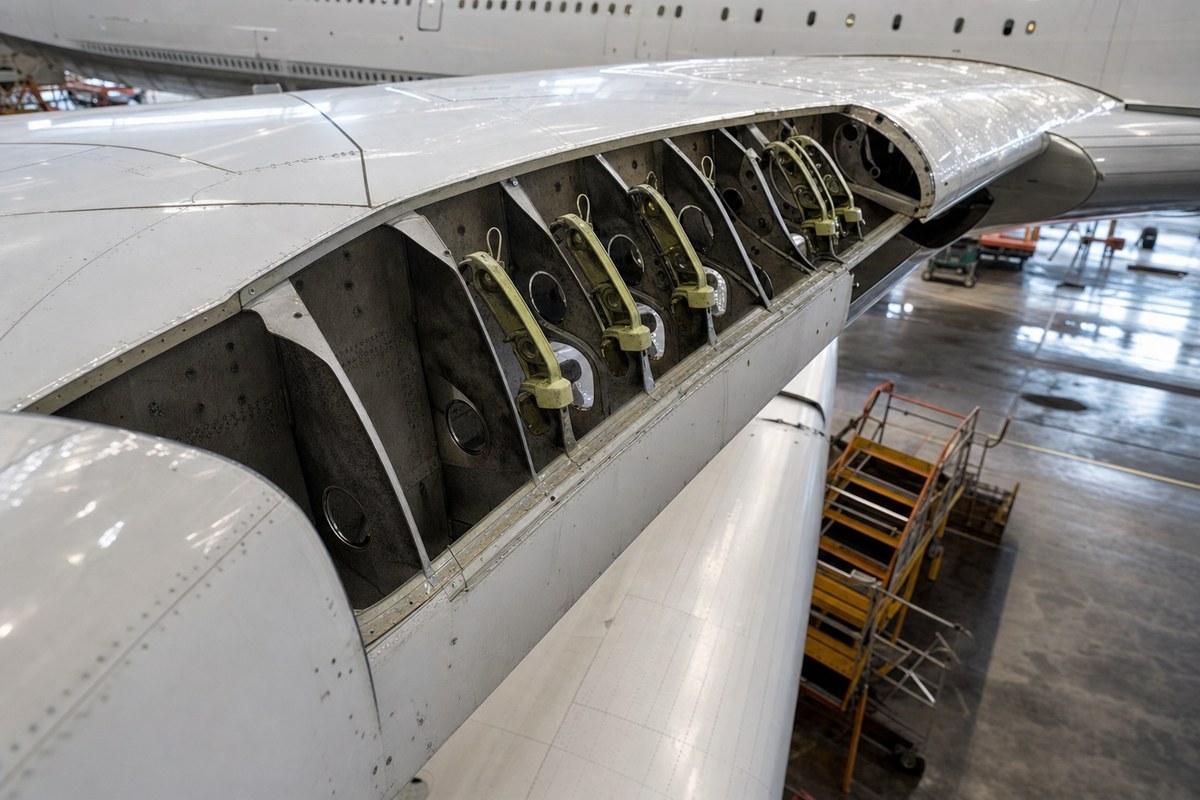
Airbus's investigation linked the problem to a mix of materials: the rib feet were made of aluminum alloy, while the attached brackets were carbon composite, and stresses introduced during manufacturing created conditions for cracks to develop over time. The composite brackets had been used to save weight, about 660 lb (299 kg) per wing. The European Aviation Safety Agency (EASA) required fleet-wide inspections through an airworthiness directive, warning that undetected cracking could affect structural integrity.
Airbus did not ground the fleet. It worked with EASA to keep the aircraft flying under the directive while a permanent fix was developed and certified. Later in 2012 it introduced a redesigned rib foot assembly that replaced the composite brackets with conventional aluminum components, a design already used on other Airbus aircraft. The retrofit program, costing around $330 million, began in late 2012 and covered approximately 120 aircraft. From 2014, new A380s were delivered with the updated structure as standard.
Other wing-related inspections have followed, involving different parts of the wing and unrelated to the 2012 issue. In 2019, Airbus identified tiny cracks around the outer rear wing spar on a number of early-production A380s, and 25 aircraft required inspections, including aircraft operated by Qantas, Air France, Lufthansa, Singapore Airlines and Emirates. EASA described the issue as relatively minor cracking in the outer wing spars, and the inspections and any necessary repairs could generally be completed during scheduled heavy maintenance checks.
In June 2026, EASA issued emergency airworthiness directive 2026-0119-E, effective June 24, requiring urgent inspections of the wing mid-spars on 16 A380s: 15 operated by Emirates and one by Qantas (VH-OQI). Five of the Emirates aircraft must be inspected before further flight, while the remaining 11 have a compliance period of 25 flight cycles. VH-OQI was already in heavy maintenance in Dresden, Germany, and Qantas told The Guardian its schedule was unaffected. The directive followed a review of inspection results that found cracks on certain aircraft could reduce wing structural integrity.
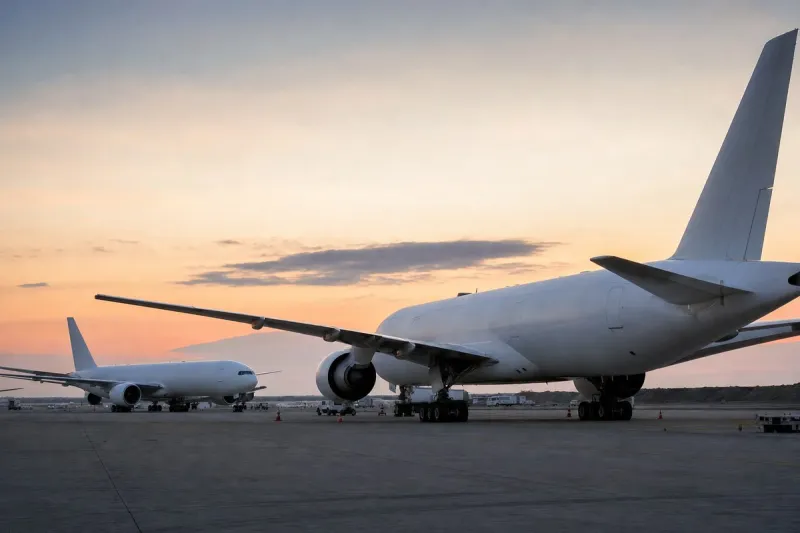
Airbus ended A380 production after delivering the final aircraft to Emirates in 2021. Cirium data show airlines have scheduled more than 83,000 A380 flights in 2026, and more than 100 aircraft remain in service.
How it unfolded
EASA emergency directive 2026-0119-E takes effect, requiring mid-spar inspections on 16 A380s.
Airbus delivers the final A380 to Emirates, ending production.
Airbus identifies small cracks around the outer rear wing spar on early-production aircraft; 25 aircraft require inspections.
New A380s delivered with the updated structure as standard.
Redesigned rib foot assembly with aluminum components introduced; retrofit program begins.
Cracks found in A380 wing rib feet on around 40 of nearly 80 aircraft in service; EASA issues an inspection directive.
Industry impact & what to watch
The 2012 episode set a template that regulators and manufacturers still follow for large fleets with a found defect: a mandatory inspection regime keeps aircraft in service while a certified redesign is prepared, and grounding is reserved for cases where inspection cannot contain the risk. The 2026 directive shows the same logic applied at much smaller scale, with five aircraft inspected before further flight and eleven given 25 flight cycles.
For a type out of production since 2021, structural findings carry a different weight than they would on a line still being built. There is no new-build line to absorb a design change, so every finding lands on a shrinking, ageing fleet whose operators plan heavy maintenance around fixed schedules. Qantas's aircraft already being in heavy maintenance in Dresden shows how scheduled checks can absorb a directive without disruption.
The next point of interest is the inspection results on the 16 aircraft under directive 2026-0119-E, and whether EASA widens the scope beyond Emirates and Qantas airframes. With more than 100 A380s still flying and over 83,000 flights scheduled in 2026, any extension would reach a large operating base.