FAA Orders Tail Inspections on 1,987 US-Registered Boeing 737NG Jets After Pitch Oscillation Reports
Why It MattersRejecting every operator request for looser timing signals that interval-based hinge and jackscrew checks on high-utilization narrowbodies will be enforced as written, leaving maintenance planners to absorb the work around heavy-check schedules.
What happened
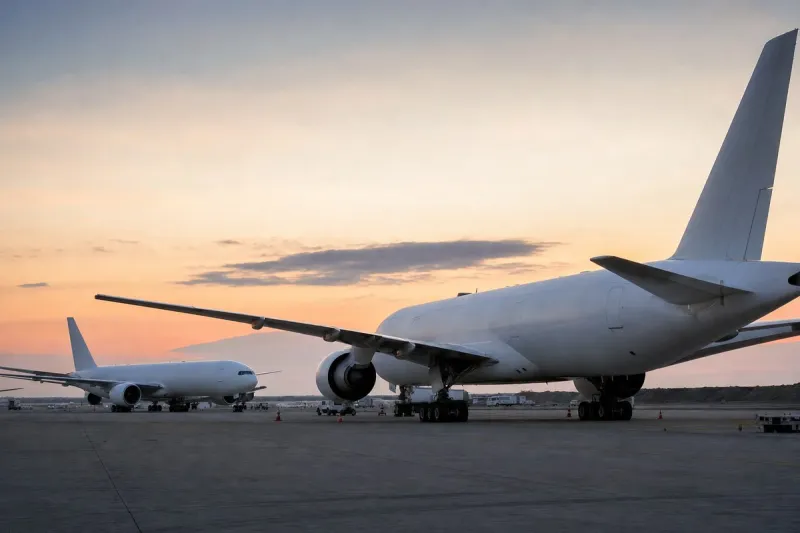
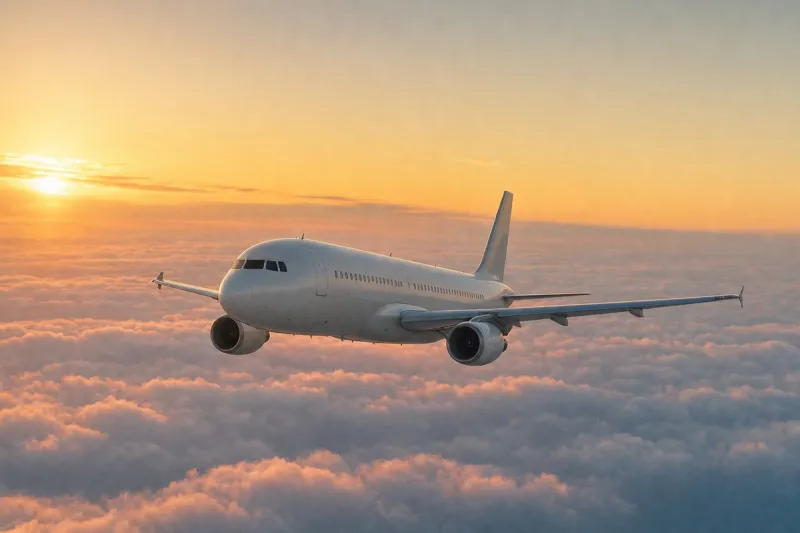
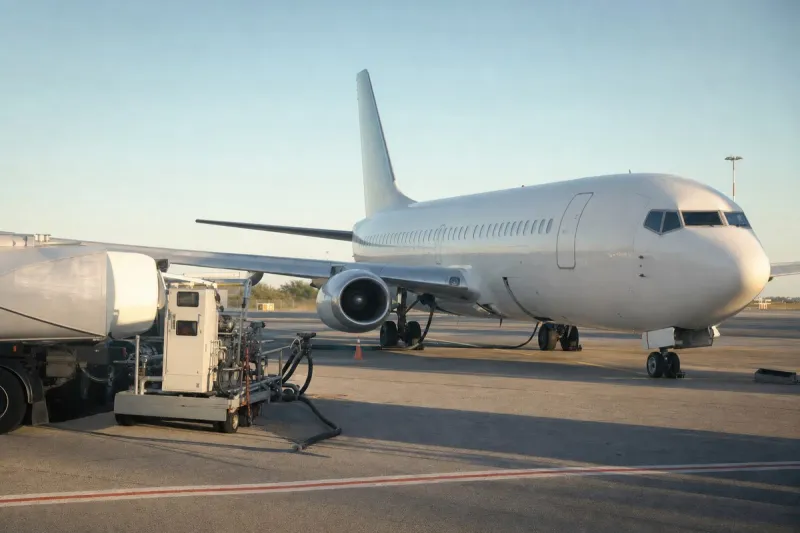
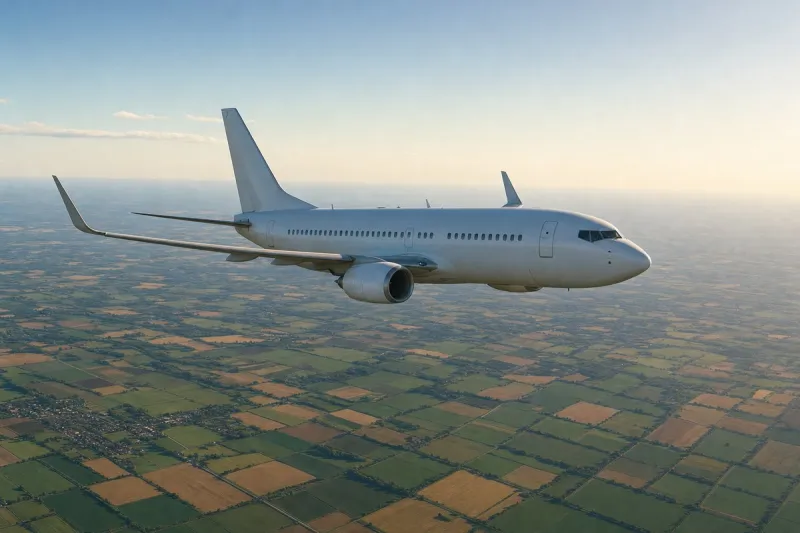
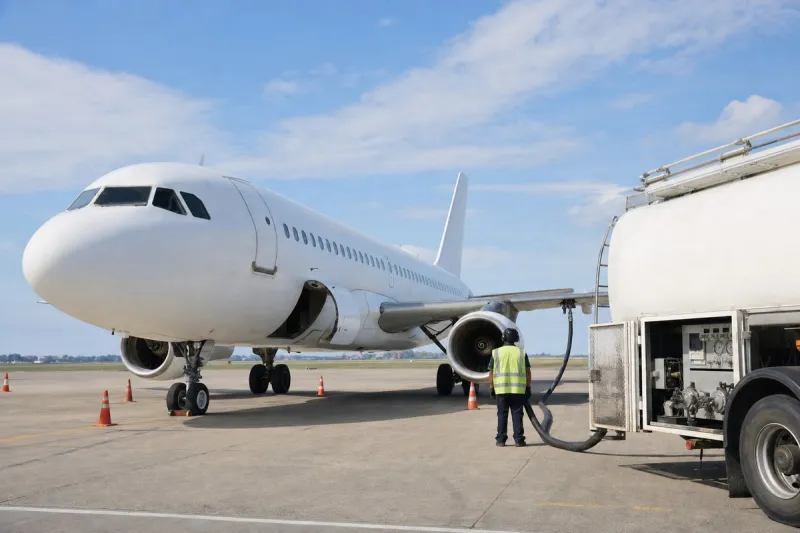
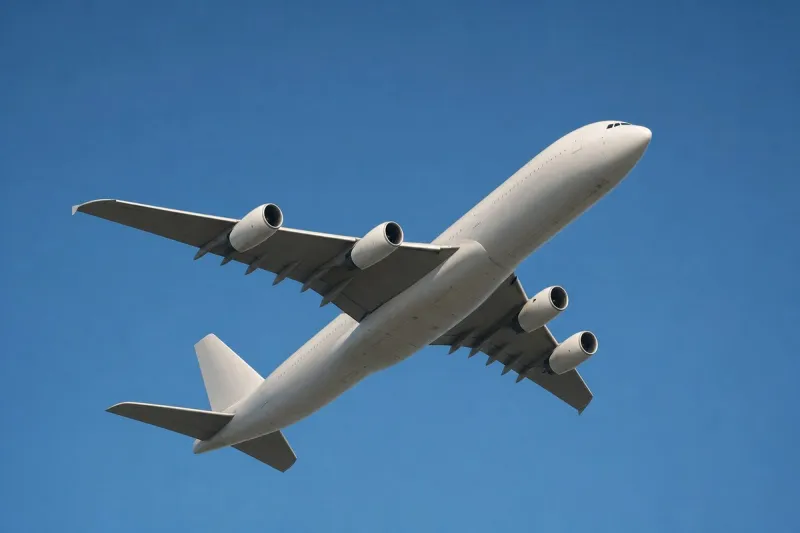
The US Federal Aviation Administration has ordered inspections of 1,987 US-registered Boeing 737 Next Generation aircraft after multiple operators reported pitch oscillation events, in which the aircraft's nose moved up and down in flight. The affected models are the 737-600, -700, -700C, -800, -900 and -900ER. The Boeing 737 MAX family is not covered.
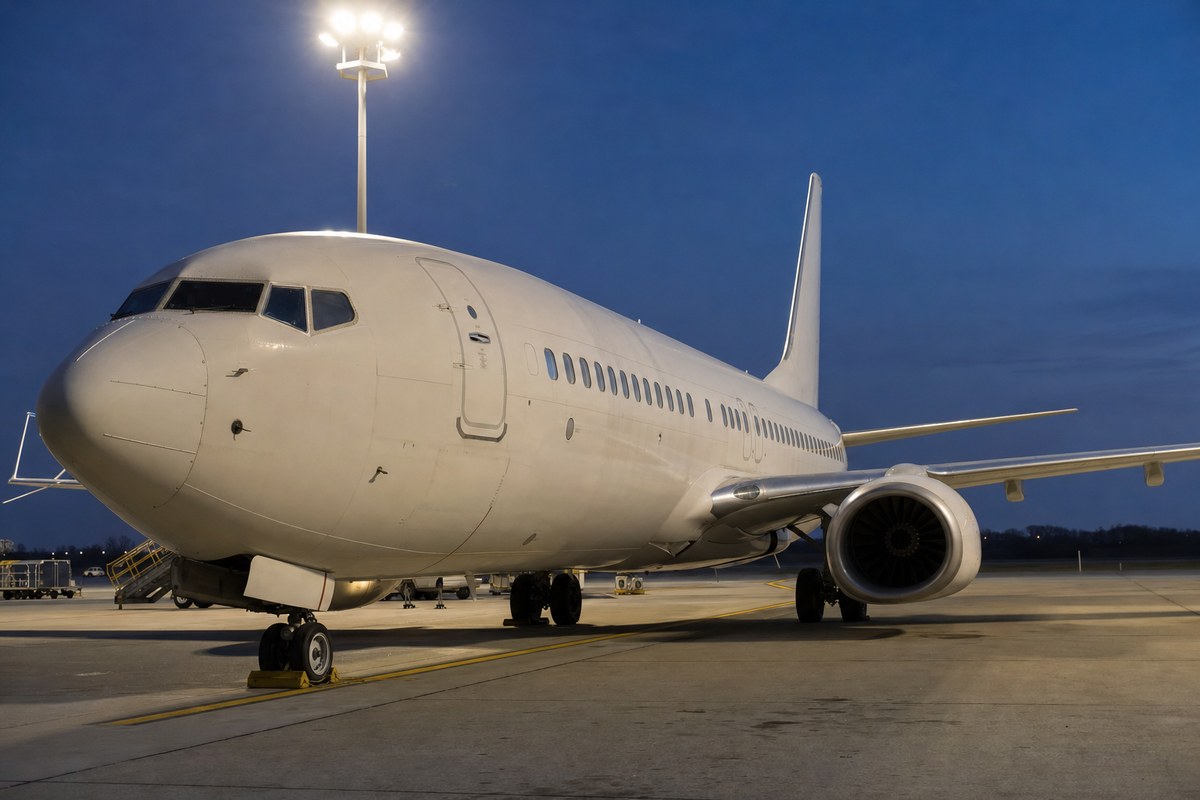
Airworthiness Directive 2026-20-14 takes effect on November 23. It requires operators to measure excessive movement, known as freeplay, at the left and right horizontal stabilizer pivot hinges and at the jackscrew. Depending on the results, operators may have to repeat the checks at specified intervals, or repair or replace worn parts. The FAA said that if the condition is not addressed it could lead to a flutter event, which can result in loss of control of the airplane. The FAA did not say how many incidents were reported, when they occurred or which airlines were involved.
On the 737, the horizontal stabilizer adjusts the aircraft's nose-up or nose-down position; it pivots on two hinges and is moved into position by a jackscrew. Freeplay can increase as these parts wear.
The FAA estimates each inspection will take six work hours and cost $510 per aircraft, which puts the cost across the US fleet at more than $1 million, excluding replacement parts. The directive covers US-registered aircraft only; authorities in other countries will decide whether to require the same checks.
Operator requests the FAA turned down
The order was first proposed in January and finalized this week. United Airlines, which has more than 300 affected aircraft, asked for longer repeat-inspection intervals and credit for checks already completed. Alaska Airlines asked to repair worn parts immediately instead of carrying out interim freeplay checks.
Canadian North asked to extend the initial inspection deadline from 12 to 36 months so the work could coincide with heavy maintenance. The FAA rejected the requests, saying the intervals are meant to ensure excessive freeplay does not develop in either original or replacement parts.
Fleet context
According to ch-aviation, more than 5,160 737NG aircraft are listed as active worldwide. Boeing delivered more than 7,000 737NGs between 1997 and January 2020. In 2019, cracks in the "pickle fork" structure joining the wings to the fuselage led the FAA to order earlier inspections of US-registered 737NG aircraft.
Industry impact & what to watch
The FAA's refusal to grant any of the three requests shows how it treats a possible flutter risk: the recurring interval is the safety mechanism, so it is not traded away for scheduling convenience. For operators of ageing narrowbodies, an airworthiness directive of this kind turns into a maintenance-planning problem, because the checks must fit around fleet availability and cannot simply wait for the next heavy check.
The direct cost per aircraft is small. The larger effect falls on hangar slots and technician hours across a fleet of nearly 2,000 US-registered jets, and on any worn parts that inspections turn up, which are excluded from the FAA's estimate.
The directive stops at the US register, so the next point to settle is whether other national authorities adopt the same requirement for the 5,160-plus active 737NGs worldwide.