NYC Council Member Virginia Maloney Introduces Resolution Seeking Halt to Seaplane Flights
Why It MattersLocal seaplane operations in New York remain governed by federal aviation authority and city guidelines that are not hard rules, so council resolutions create political pressure but not operating restrictions.
What happened
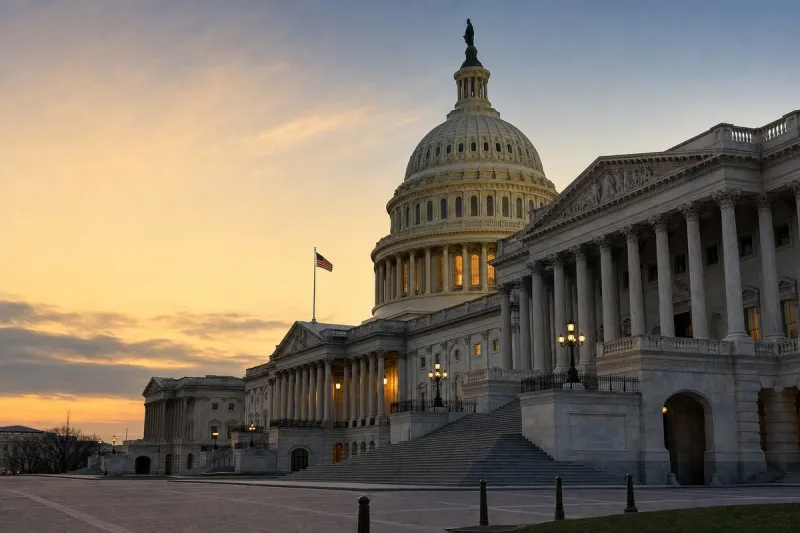
New York City Council Member Virginia Maloney, who represents part of Manhattan's East Side, has introduced a resolution citing safety concerns over aircraft operating near densely populated neighborhoods and busy waterways. The resolution has been referred to the council's Transportation and Infrastructure Committee and does not itself impose any flight restrictions. It requests federal intervention.
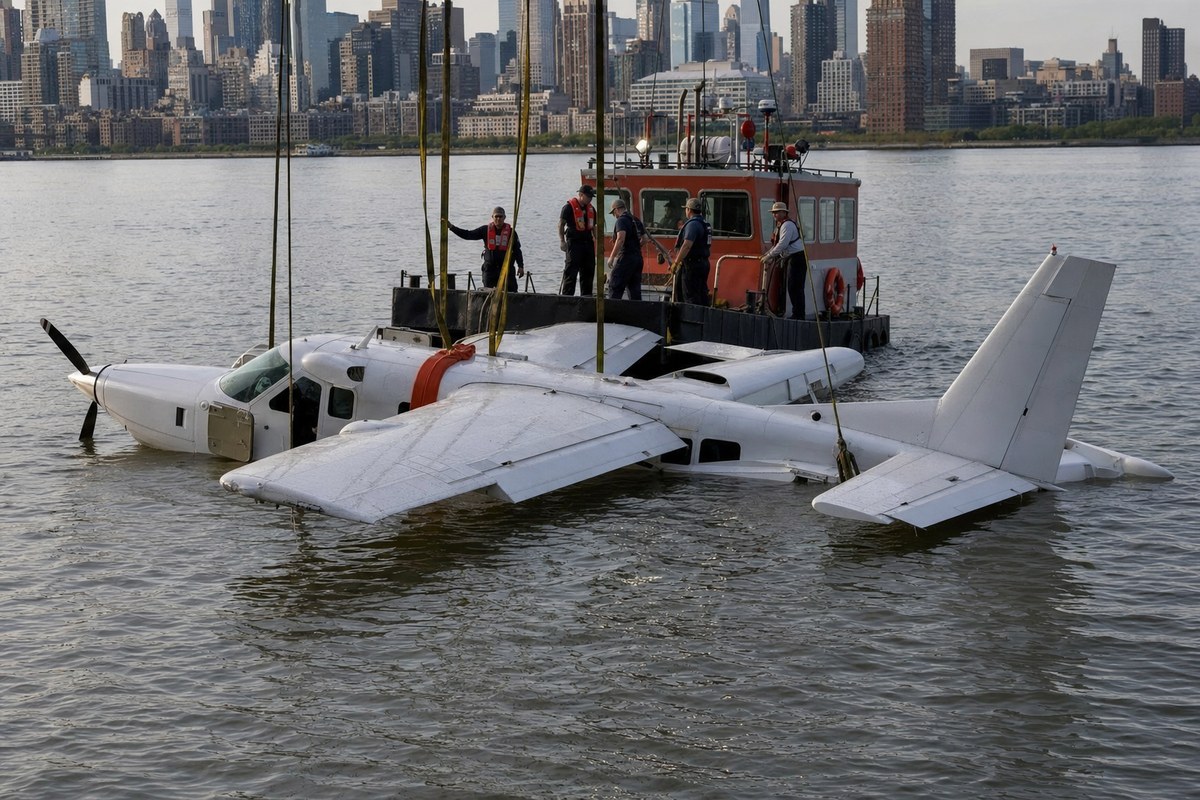
The resolution follows a July 5 incident involving an Acadian Seaplanes Kodiak 100 that made a hard landing in the East River while arriving from East Hampton. Eight people were aboard and were evacuated by emergency responders after a float strut collapsed. Early reports indicated two minor injuries, but the NTSB's final report, published Aug. 27, recorded no injuries. Investigators attributed the accident to the aircraft's left float striking a large wave during landing, causing the airplane to bounce and land hard. The council resolution describes the investigation as ongoing.
At an Oct. 20 council hearing, Maloney questioned NYC transportation officials about enforcement of operational guidelines at the seaplane base, including a provision calling for takeoffs at least 1,000 feet offshore when conditions permit. A Department of Transportation representative told the committee: "So it is not a hard and fixed rule." City officials acknowledged they could not immediately provide figures on violations or enforcement actions against operators.
According to the resolution, the Skyport terminal recorded 2,719 passenger boardings in 2025. It has also previously supported regional seaplane services, including a Manhattan-Boston route that ended in 2024. Maloney has also introduced separate city legislation requiring noise monitoring around city seaplane bases.
Industry impact & what to watch
Seaplane operations at an urban waterfront base sit under overlapping layers of authority. The FAA retains authority over airspace operations, and the NTSB investigates accidents and issues safety recommendations. A city council resolution can request action from those bodies and shape public debate, but it does not itself restrict a single flight. For operators, the practical exposure is reputational and procedural before it is regulatory.
The hearing exchange matters as much as the resolution. A guideline described by city officials as not a hard and fixed rule, combined with an inability to produce violation or enforcement figures, shows how much of the day-to-day operating discipline at the base rests on voluntary practice. Operators in this segment typically depend on community tolerance for their access, so a documented gap between guideline and enforcement tends to draw attention to the guideline itself.
The separate noise-monitoring legislation is the more concrete item to follow, since it would create measurable data around the base. The committee's handling of the resolution is the next step the council process itself sets.