NORAD F-16s Intercept General Aviation Aircraft That Violated Restricted Airspace Over Clemson, South Carolina
Why It MattersRepeated scrambles around rally-related TFRs show that temporary restrictions are enforced with armed intercepts, so pre-flight NOTAM checking is a routine operating requirement for general aviation rather than an optional step.
What happened
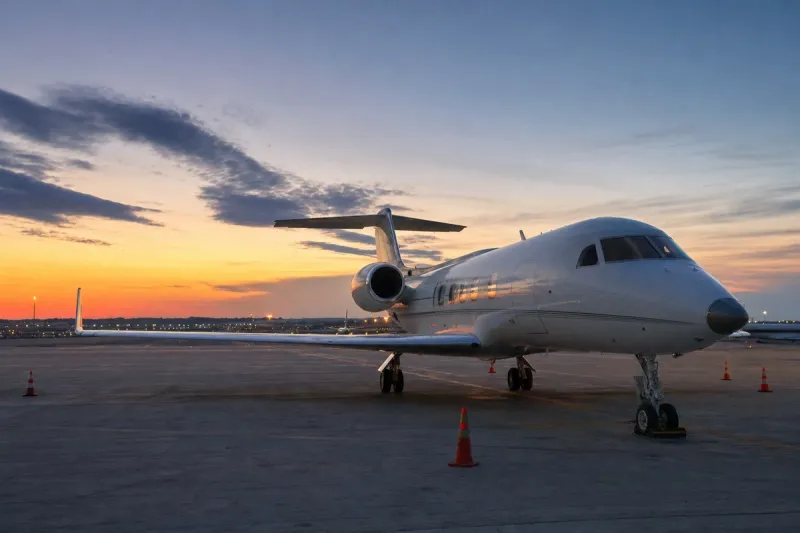
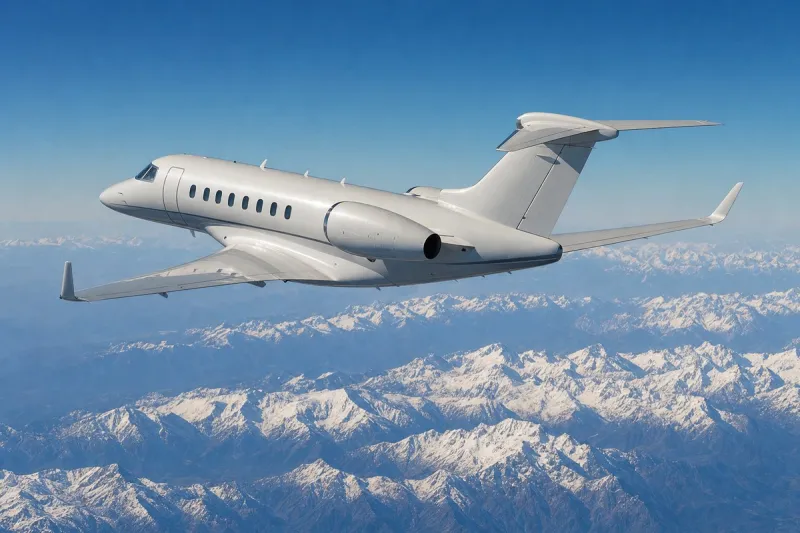
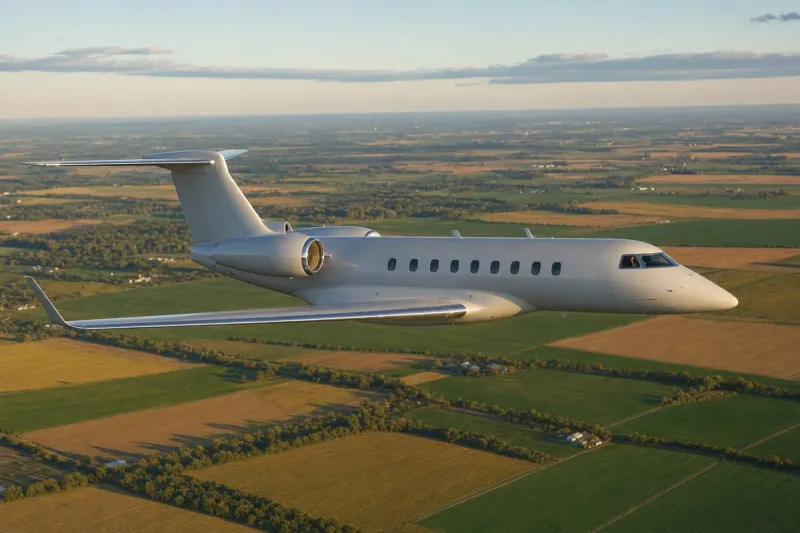
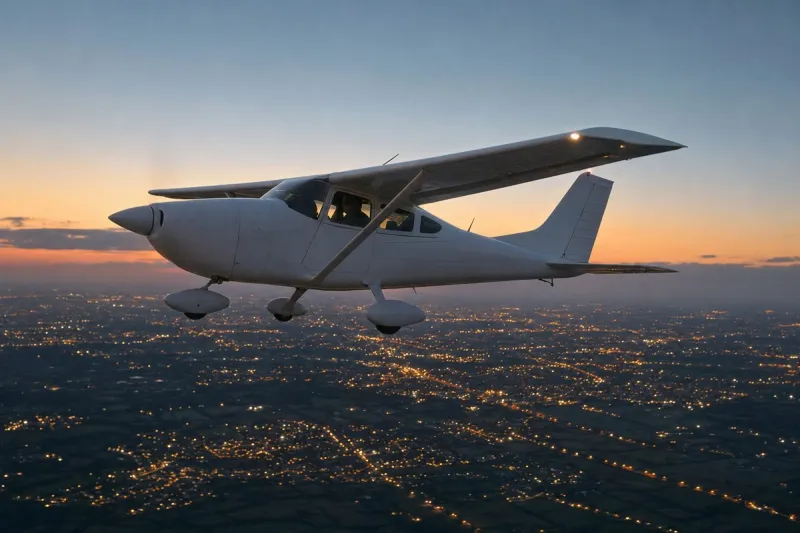
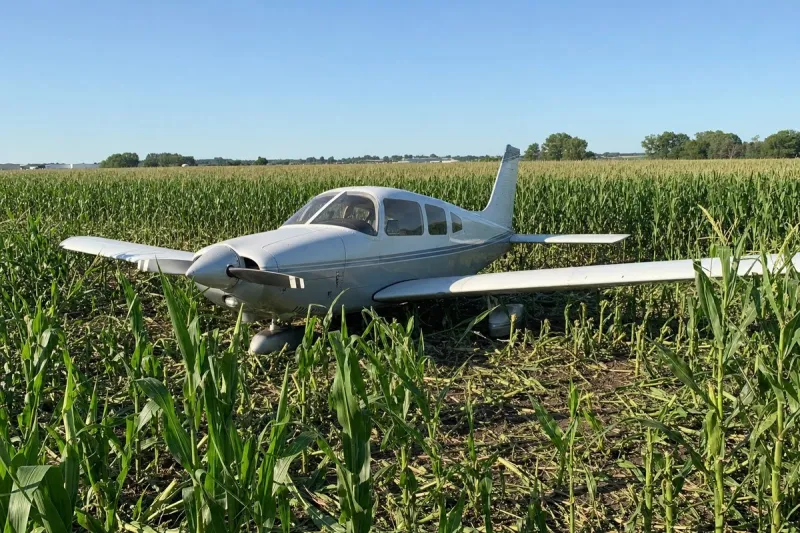
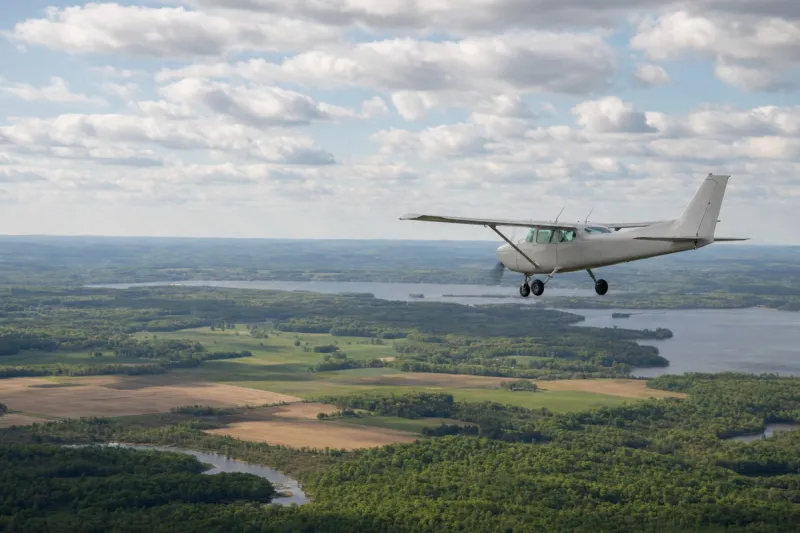
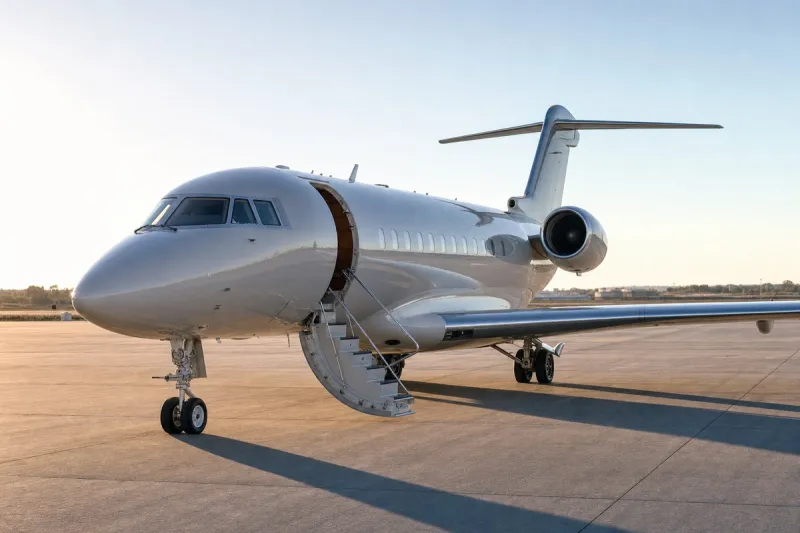
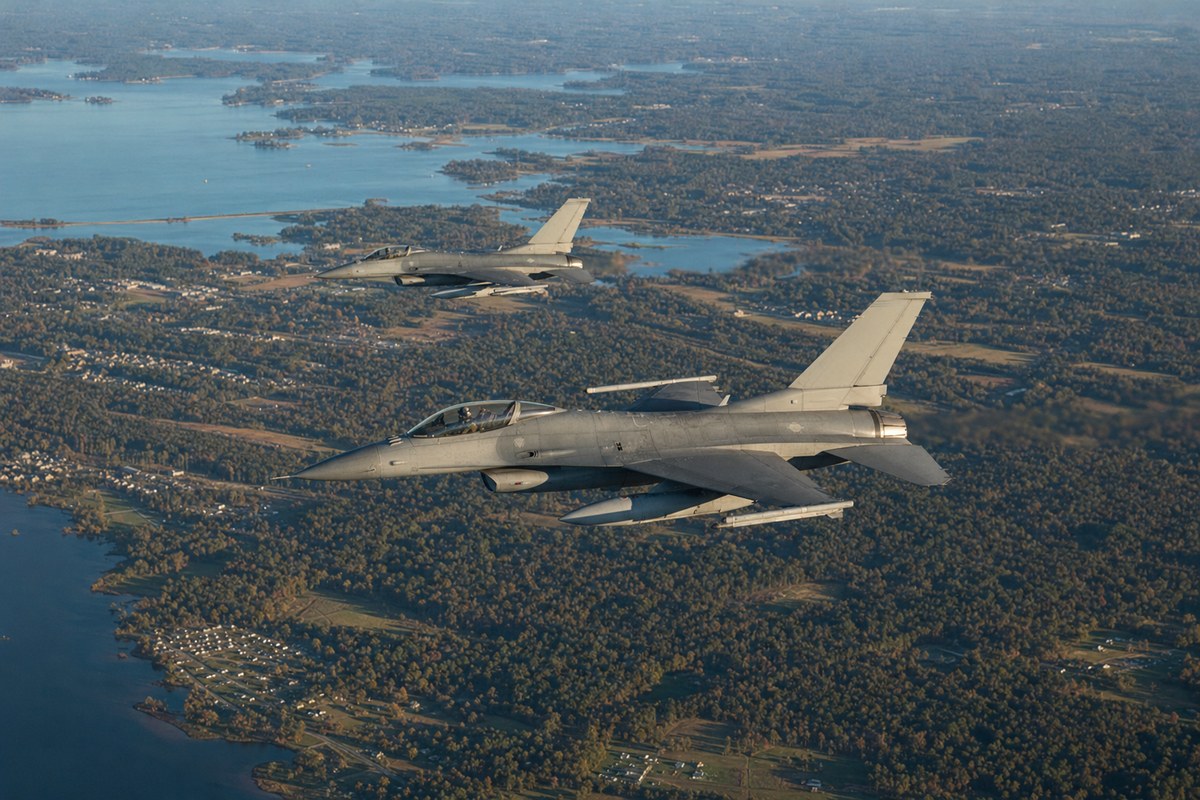
NORAD F-16 fighter aircraft intercepted a general aviation aircraft over Clemson, South Carolina, on Oct. 21, 2026, at approximately 5:39 p.m. EST, according to NORAD. The aircraft had violated a temporary flight restriction (TFR) in the area. It landed safely at a nearby airfield while NORAD aircraft monitored it.
The incident took place while President Trump held a campaign rally at Clemson University's T. Ed Garrison Arena in support of Darline Graham's Senate campaign. Graham, sister of the late South Carolina Sen. Lindsey Graham, who died suddenly from a heart condition in July, took over his seat after a special election and is running for a full term as the Republican nominee. She faces Democratic challenger Annie Andrews.
NORAD said pilots who violate TFR airspace may be met by federal authorities upon landing and be subject to enforcement action. It added that a pilot intercepted by NORAD aircraft should immediately come up on frequency 121.5 or 243.0 and turn around to reverse course until receiving further instructions on one of those frequencies.
Jets have been scrambled several times recently over airspace restrictions at Trump's events. NORAD reported an F-16 intercept over Cincinnati, Ohio, on Saturday during another political rally nearby, and similar incidents at the end of September, when Trump visited Chicago, and in August, when he attended a teen athletic tournament in Geneva, Ohio.
Industry impact & what to watch
The Clemson intercept is one of a run of cases in which light aircraft strayed into restrictions built around a presidential appearance. The FAA issues TFRs for reasons ranging from extreme weather to large athletic, entertainment or political events, and they are often put in place when high-profile figures visit a town or city. Because these restrictions are tied to a movement schedule, they appear with short notice and expire quickly, which is why they catch pilots who planned a route earlier in the day or did not re-check before departure.
For the general aviation community, the pattern of Cincinnati, Chicago, Geneva and now Clemson shows that enforcement is visible and repeated rather than occasional. An intercept by armed fighters, followed by possible action from federal authorities on the ground, is the practical cost of a missed notice. Air Force officials have reminded pilots to check TFRs, which the FAA communicates through Notices to Airmen (NOTAMs), while planning routes and before takeoff, and the Clemson case reinforces that preflight and in-flight discipline are where such events are prevented.
The next data points are simply the next scheduled rallies and the TFRs issued for them. Whether intercepts continue at the recent pace around those events will show whether the repeated reminders from Air Force officials are changing how pilots plan around temporary restrictions.