Cirrus Launches 'Mission Ready' Simulator Program With 24 Cross-Country Scenarios for SR Owners
Why It MattersManufacturer-built scenario libraries suggest piston-aircraft safety training is moving from periodic recurrency toward continuous, simulator-based proficiency, with instructors delivering standardized content instead of designing each emergency exercise themselves.
What happened
Cirrus Aircraft launched Mission Ready in March, a simulator-based training and safety program for owners of its SR-series aircraft. It sits within Cirrus Approach, the manufacturer's official pilot training curriculum.
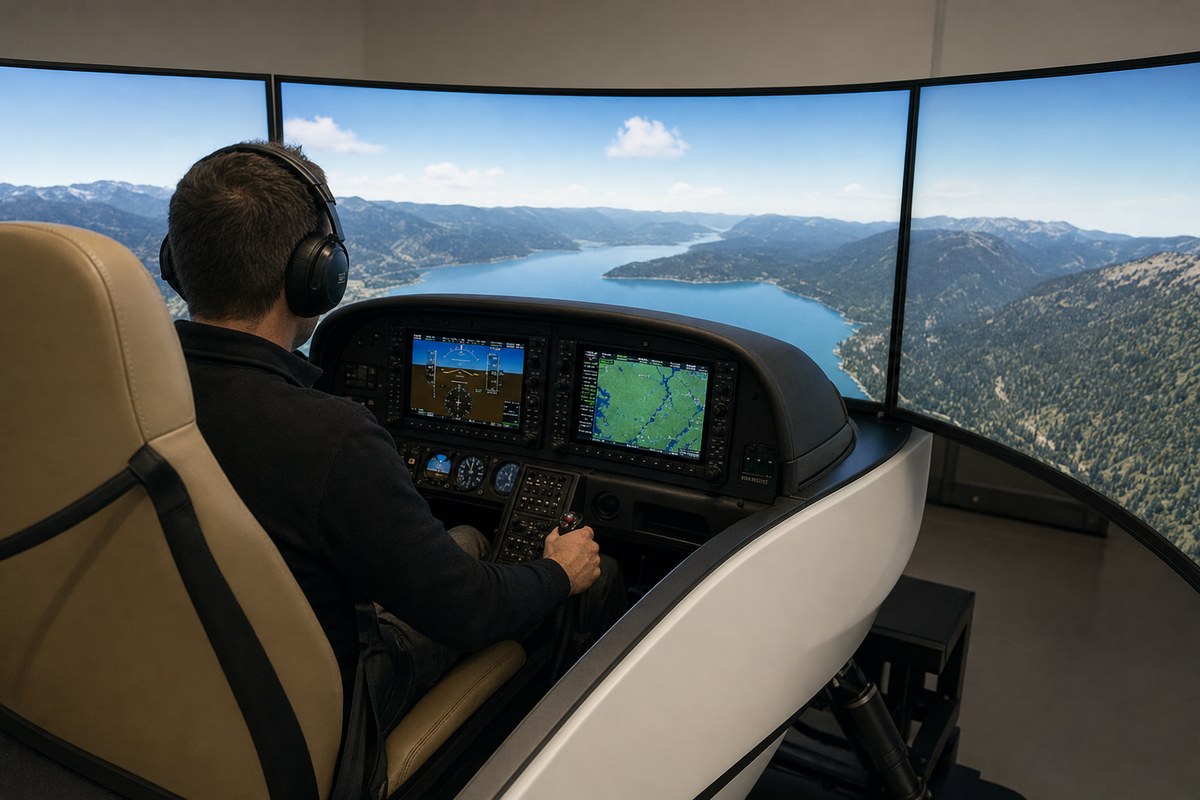
The program consists of 24 individual cross-country flights with both VFR and IFR learning goals, so scenarios can be tailored to a pilot's experience level. Cirrus Standardized Instructor Pilots (CSIPs) build the missions, which include realistic ATC communication prompts for the instructor, integrated decision points and instructor guidance.
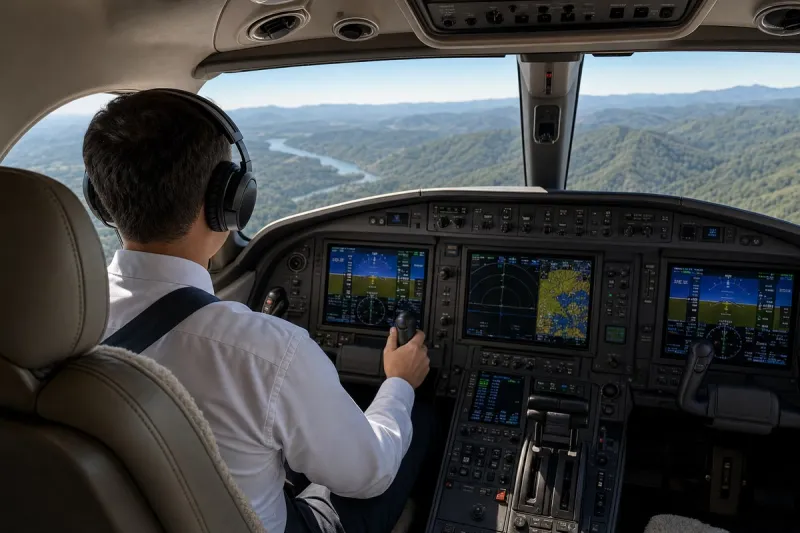
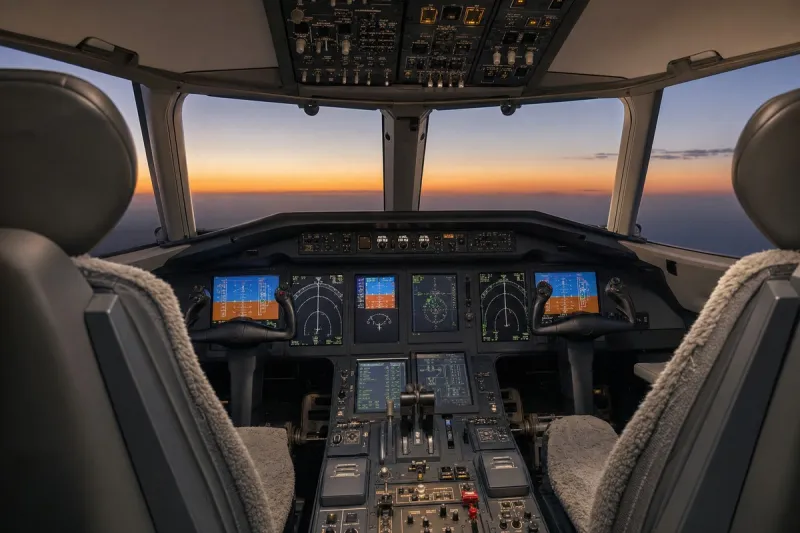
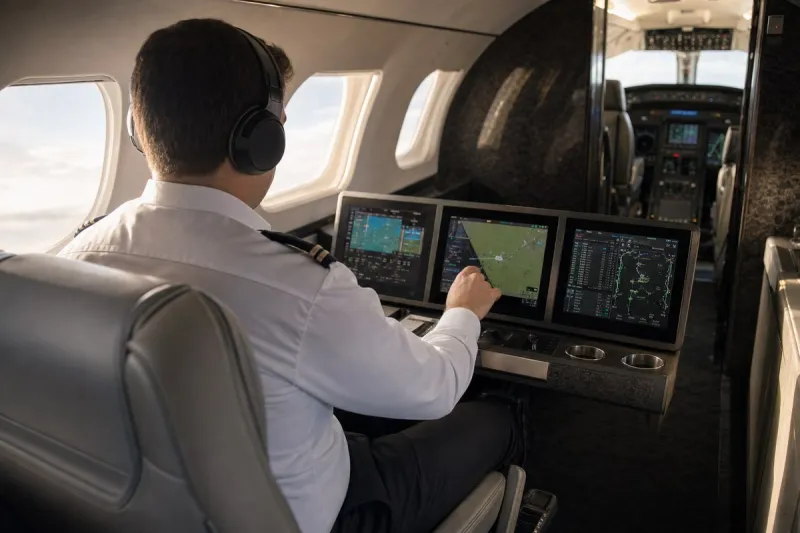
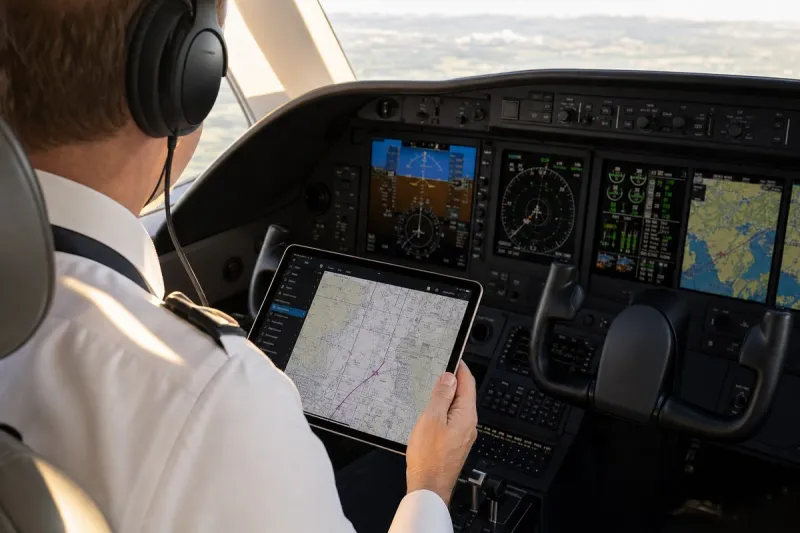
Mike Goulian Aviation's Cirrus Training Center at Hanscom Field (KBED) near Boston recently added a RealSimGear SR7x Pro, a switch-for-switch replica of the SR22 G7 with the Garmin Perspective Touch avionics system. Time in it is loggable. The simulator uses a commercial license of X-Plane 12 and three 55-inch 4K TVs that provide 180 degrees of peripheral vision.
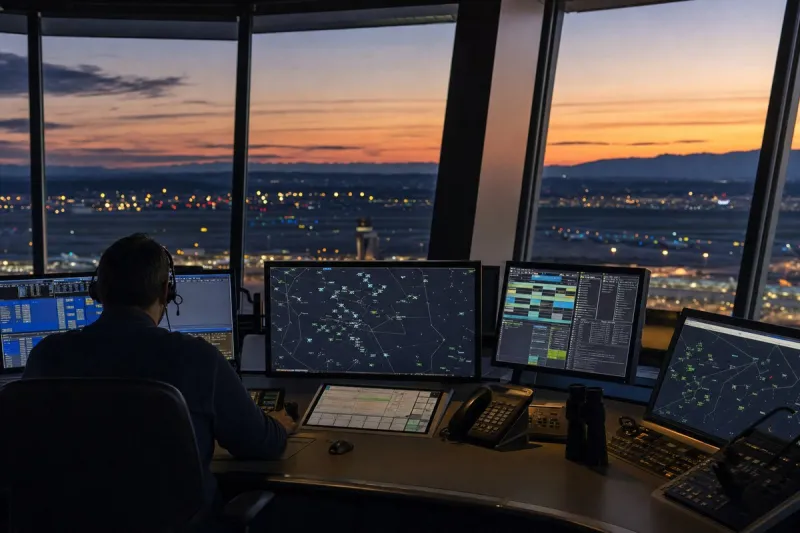
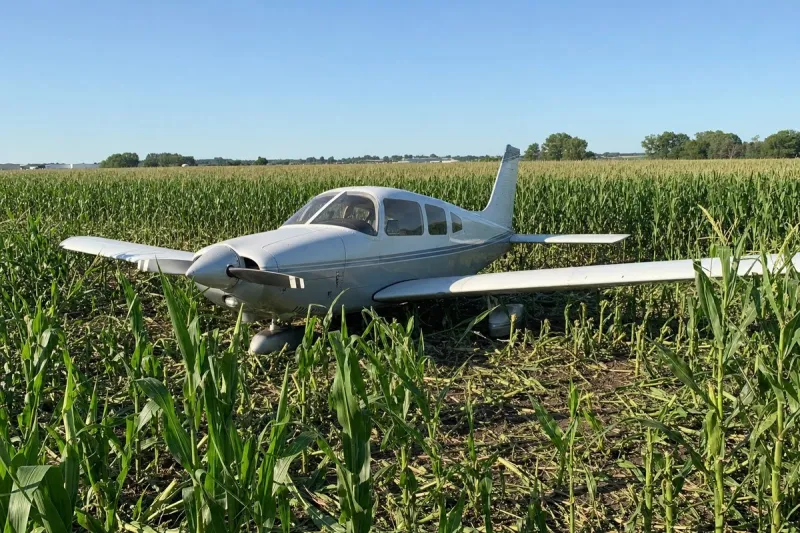
In the 'Over the Hills' scenario observed by the author, a private pilot with hundreds of hours who was working on Cirrus transition training flew from McGhee Tyson Airport (KTYS) in Knoxville, Tennessee, to Asheville, North Carolina (KAVL), crossing high Appalachian terrain at a planned 9,000 feet. Marc DeRose, the school's director of flight operations and an experienced CFII and CSIP, acted as ATC. He triggered an Alternator 2 failure, then loss of the multi-function display, then a cascading engine power loss, while adding ATC instructions to increase task load. With few landing options over mountainous terrain, the student tried to clear a final ridge toward an airport ahead.
DeRose said the sim lets pilots practice real-world scenarios multiple times to improve decision making. He said feeling overwhelmed is a common outcome of the design, which is meant to mirror the high-stress environment of a real in-flight emergency, and that the debrief is a key component for evaluating gaps in a pilot's responses. The program emphasizes continuous proficiency rather than periodic recurrency.
Industry impact & what to watch
Mission Ready shows where manufacturer-led safety training is heading: a library of ready-made scenarios that a certified instructor runs, rather than exercises each instructor invents. Because CSIPs build the missions, the instructor's job shifts from designing an emergency to delivering one and guiding the debrief, which is where DeRose places the learning value.
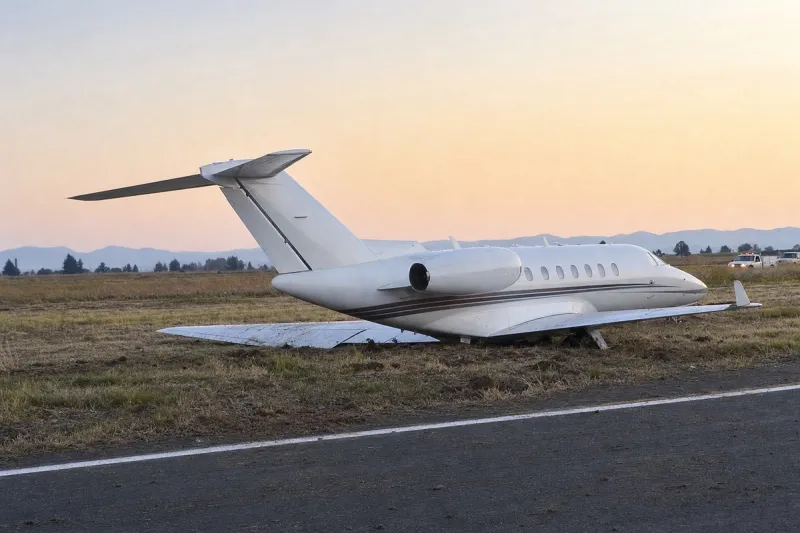
The cascading-failure design reflects how piston-single accidents are commonly understood to develop, with one fault compounding into task saturation. A simulator allows that sequence to be repeated until the response becomes habit, something that cannot be done in the aircraft. The loggable time in the SR7x Pro also gives owners a practical reason to fly it, as an instrument or proficiency hour rather than only a drill.
The program's stated emphasis on continuous proficiency points to a different training rhythm than the periodic recurrency most owners follow today. Whether owners adopt that rhythm will depend on how many Cirrus training centers install comparable simulators and how often owners use them, and both will be visible in the sites that publish Mission Ready availability.