Magnetic MRO Opens Fifth Hangar at Tallinn Airport, With Three Narrowbody Bays for A320 and 737 Base Maintenance
Why It MattersSegregated bays, automated consumables handling and in-house engine-disk balancing show base-maintenance providers competing on turnaround time and process control, not hangar floor space alone.
What happened
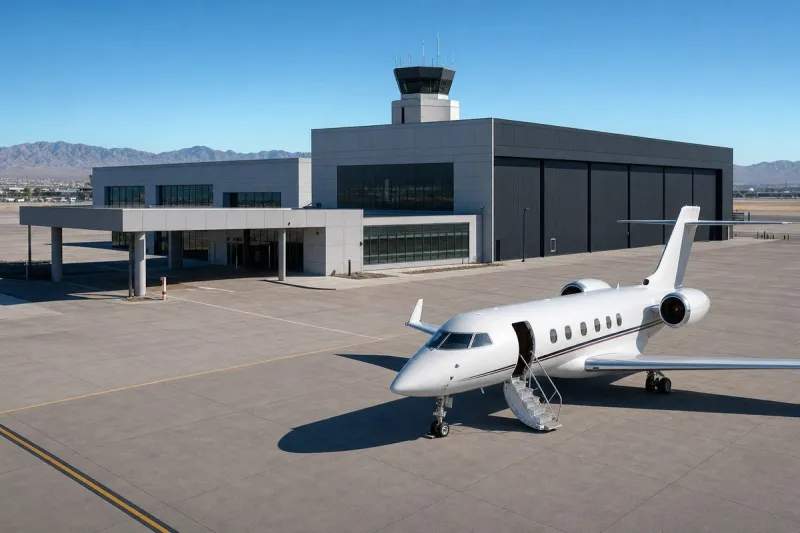
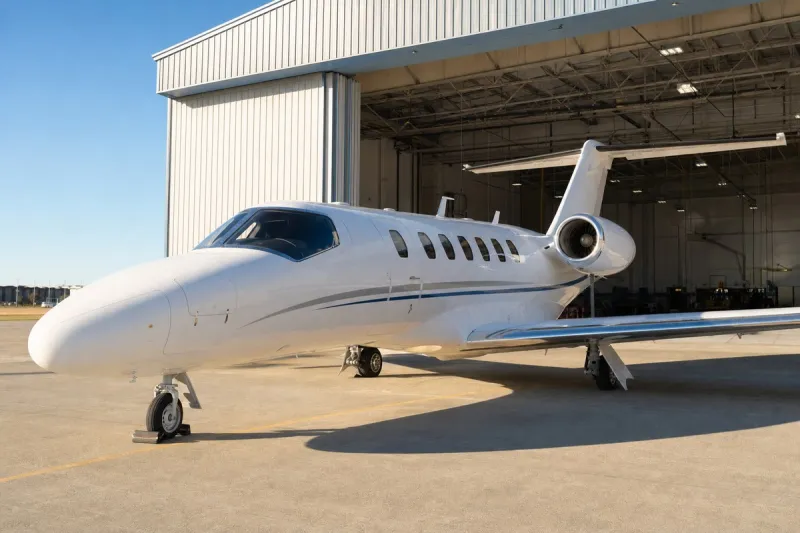
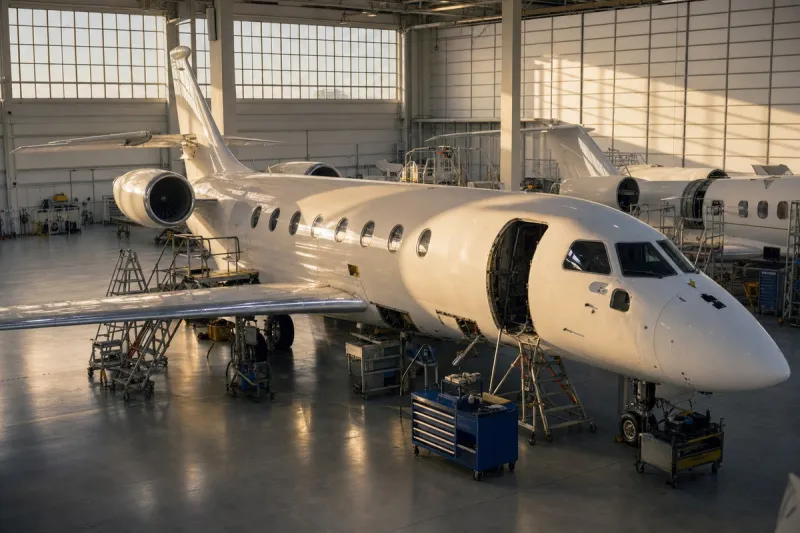
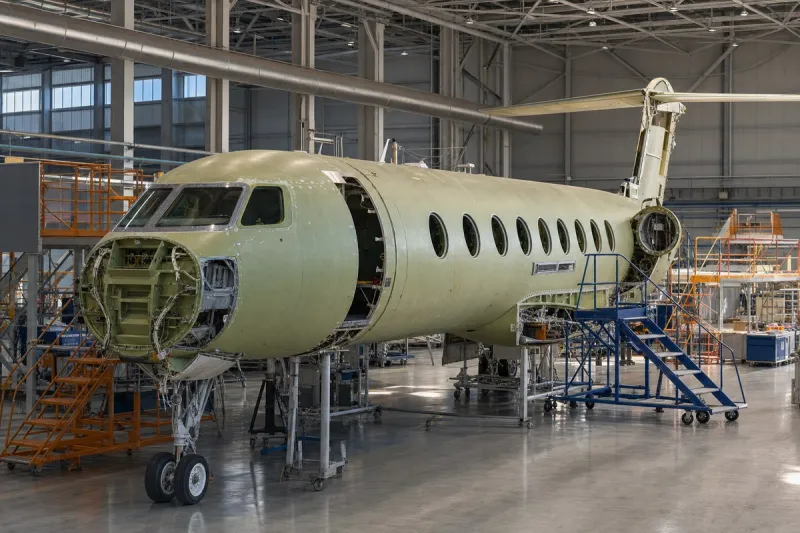
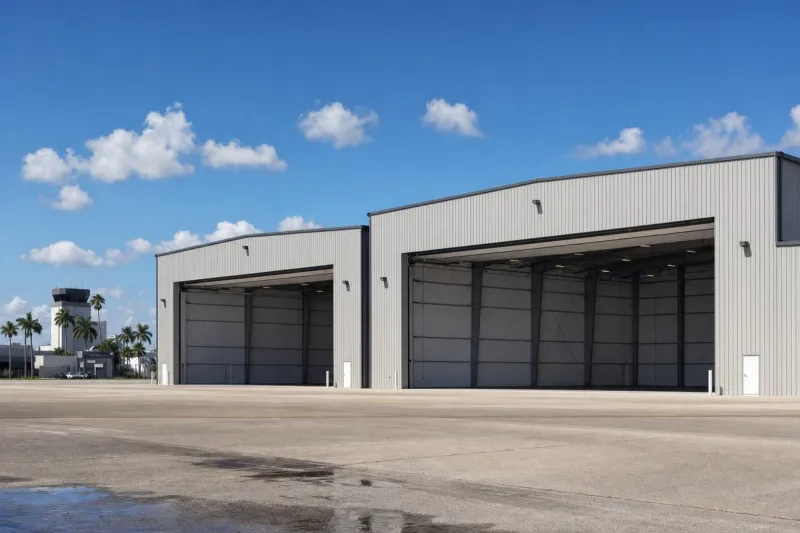
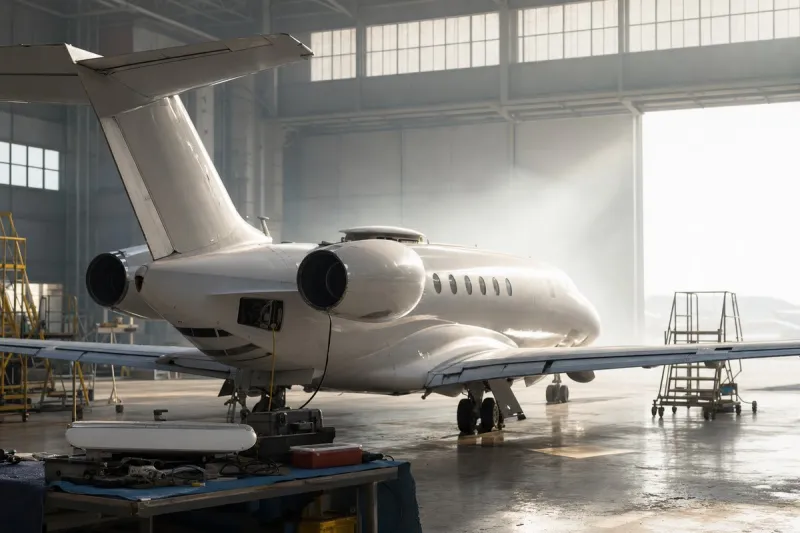
Magnetic MRO opened its fifth hangar at Tallinn Airport in January. The new H11 facility is designed for Airbus A320-family and Boeing 737-family base maintenance and has three narrowbody bays. Aviation Week toured the facility to see how it is boosting the company's capabilities and incorporating new technologies.
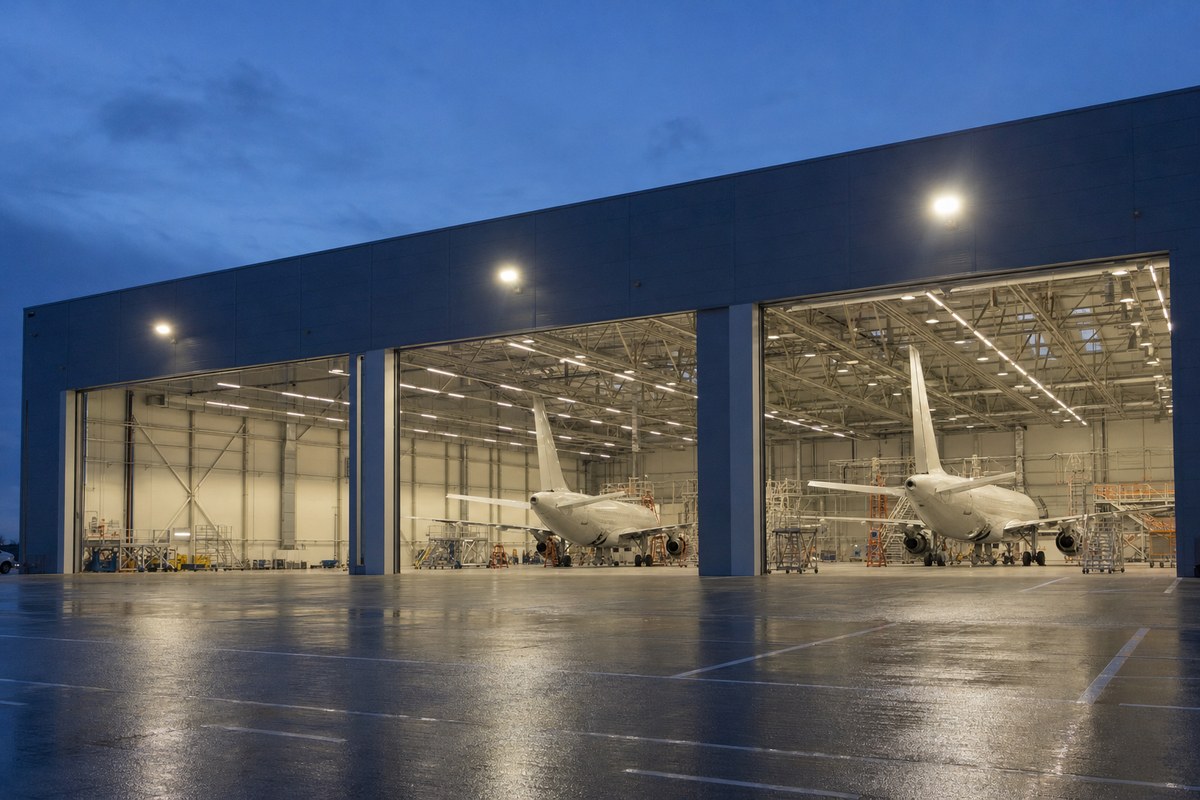
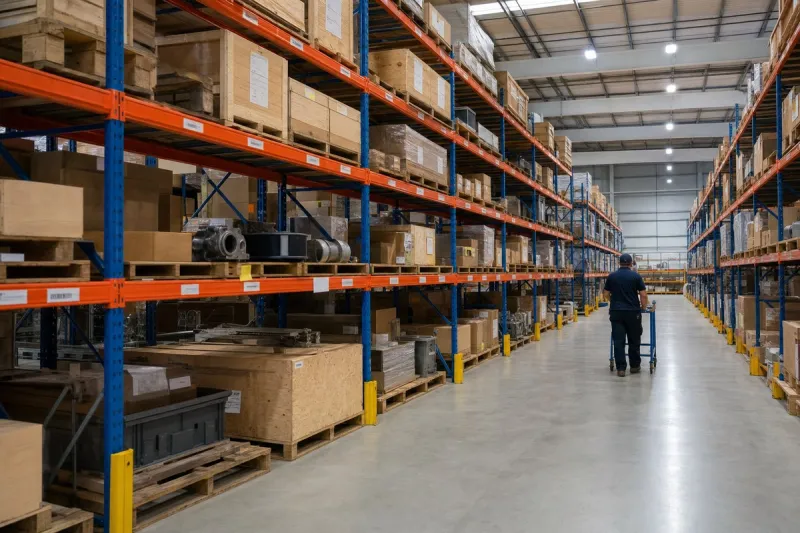
Unlike Magnetic's older Hangar 04, an open-plan facility, H11 has segregated bays, so the company can open only the relevant door when moving aircraft or materials. The hangar has artificial intelligence-enabled climate management, plus tooling, stock and support areas. Magnetic expects all three bays to be heavily used during the peak heavy maintenance period, and its major customers include Austrian Airlines and SAS.
Consumable management is being automated at the new facility. Vending and carousel systems for consumables and personal protective equipment let technicians retrieve items themselves while generating usage trend data. Self-driving shuttles made by Auve Tech, which Magnetic began testing in 2023, move people, tools and equipment between its hangars at Tallinn Airport; the company says they currently cover around 1,000 km (621 mi.).
Engine shop and component lines
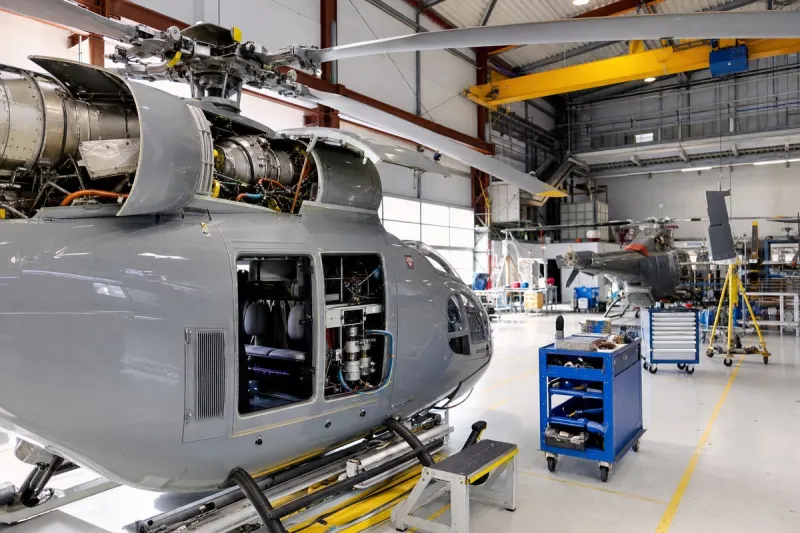
During the visit an Airbus A320neo was being repainted in the paint shop. Every hangar has painting booths for repairs, while full aircraft painting is concentrated in one dedicated facility.
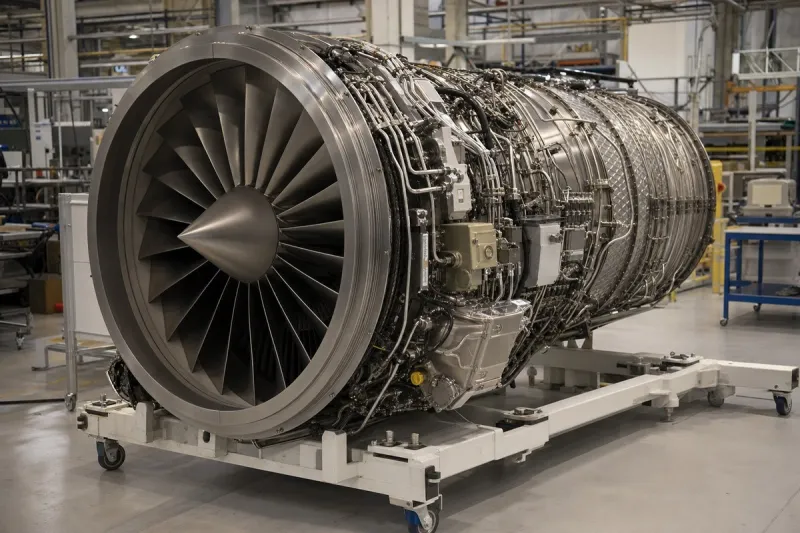
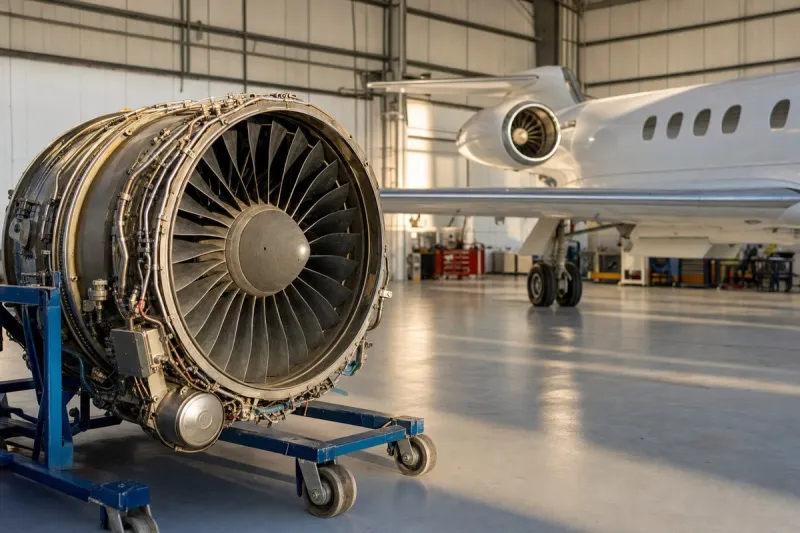
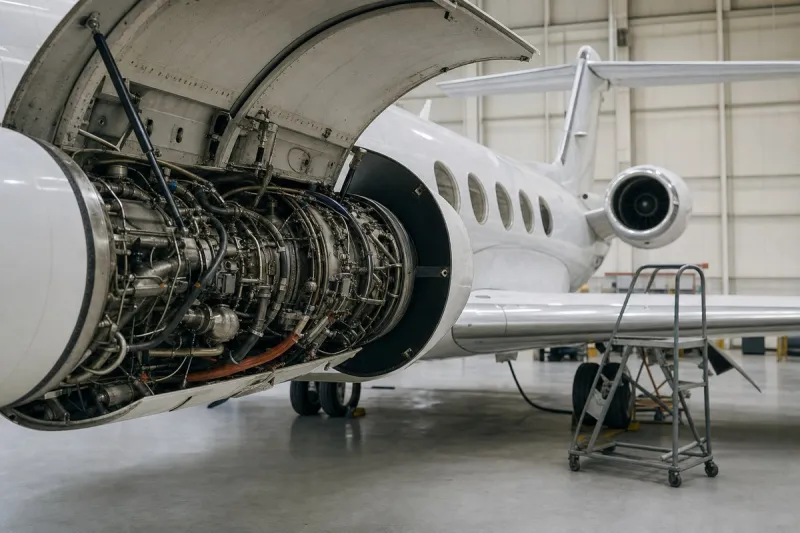
The engine shop was operating at full capacity, with virtually every bay occupied by CFM International CFM56 engines. Magnetic says it has solved shortages in CFM56 high-pressure turbine blades, with no significant material-shortage-related delays in the last two years. Magnetic Engines has brought horizontal and vertical balancing of engine disks and rotors in-house, which removes the need to outsource the work and reduces turnaround times.
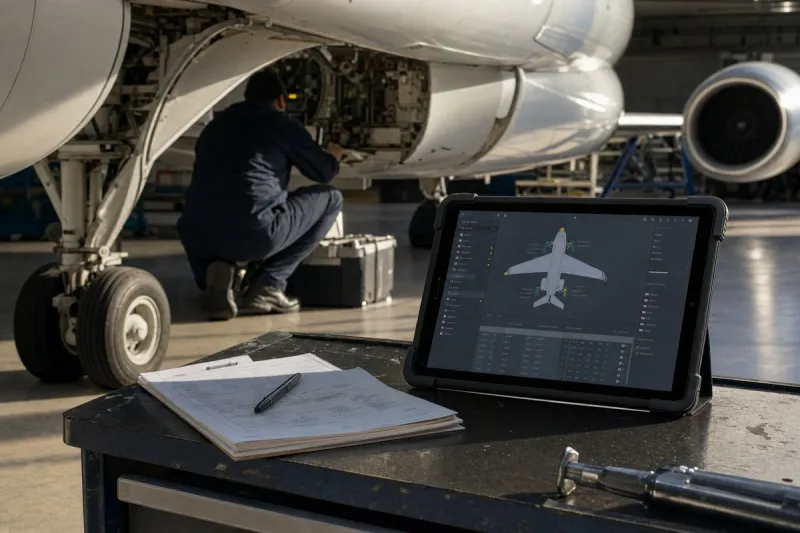
The tooling facility is organized around radio frequency identification: tools are tagged, their removal is recorded and each is assigned to a particular maintenance check. The wheels and brakes line has been reorganized into a station-by-station flow, and escape slides are inflated and tested before being repacked and returned to service using applicable OEM documentation.
Industry impact & what to watch
The H11 layout points to where narrowbody base-maintenance providers are putting their effort. Segregated bays, climate control, automated consumables and RFID-tracked tooling all aim at the same outcome: fewer lost hours inside a check, and better data on where hours are spent. For a market whose work is dominated by A320-family and 737-family aircraft, that kind of process discipline is a competitive lever alongside raw hangar capacity.
Bringing engine-disk and rotor balancing in-house follows the same logic from the engine side. Every outsourced step adds transit and queue time to a shop visit, so a provider that controls more steps can quote shorter turnarounds on CFM56 work, which is the engine type filling the shop's bays right now. The reported absence of material-shortage delays in the last two years matters for the same reason, since parts availability is what usually stretches a shop visit.
The practical test is the peak heavy maintenance period, when all three H11 bays are expected to be heavily used. How the segregated-bay layout and the automated consumables systems hold up under that load will show whether the design translates into shorter checks for customers such as Austrian Airlines and SAS.