Business Jet Maintenance Market Forecast to Reach $30.71 Billion by 2030 at 5.8% CAGR
Why It MattersMaintenance spending is shifting toward data-driven, condition-based programmes and outsourced work, which ties shop economics to downtime reduction and fleet growth outside North America rather than only to fleet size.
What happened
The global business jet maintenance market is projected to grow from $23.06 billion in 2025 to $24.5 billion in 2026, a compound annual growth rate of 6.2%, according to a market report from The Business Research Company. The report expects the market to reach $30.71 billion by 2030, growing at a CAGR of 5.8%.

The report attributes past growth to a rising number of business jets, increased business aviation activity, a stronger emphasis on aircraft safety standards, growing demand for scheduled inspections and broader use of the aircraft. Projected growth is linked to wider adoption of predictive maintenance solutions, interest in extending aircraft lifecycles, greater use of real-time health monitoring systems, demand for specialized services and the need to reduce aircraft downtime. Predictive and condition-based maintenance approaches are gaining traction, and outsourcing of maintenance tasks is also cited.
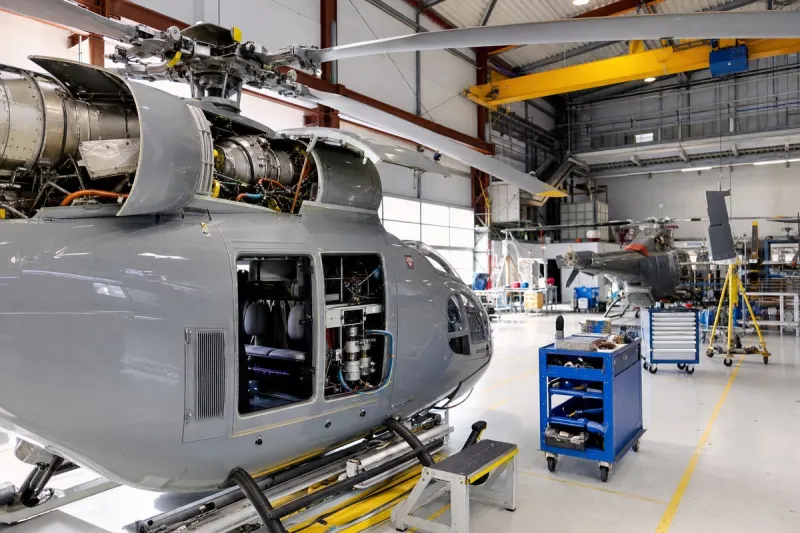
Business jet maintenance covers the inspection, repair, modification and overhaul of business jets, including both planned and unscheduled work, to keep aircraft safe, airworthy and compliant with aviation regulations and manufacturer standards. As a demand indicator, the report cites an August 2025 forecast by the Aircraft Performance Group that about 8,700 new business jets will be delivered worldwide over the next decade, with the majority expected in North America.
North America held the largest regional share of the market in 2025, while Asia-Pacific is forecast to be the fastest-growing region, driven by rising business aviation activity and fleet expansion.
Industry impact & what to watch
Maintenance demand in business aviation follows the installed fleet and how hard it is flown, and the growth drivers listed here reflect that. A larger fleet and more flying generate more scheduled inspections, while the stated emphasis on predictive and condition-based work points to spending that is planned around aircraft data instead of fixed intervals. For shops and providers, that favours capability in monitoring and diagnostics alongside traditional hangar capacity.
The interest in cutting downtime and extending aircraft lifecycles points to an owner and operator base that keeps aircraft in service longer and values availability. Outsourcing, also named as a trend, spreads that work across independent providers and manufacturer-linked service networks, so competition for each maintenance event is shaped by turnaround and specialist capability as much as by price.
The regional split matters for where capacity gets built. North America is the largest market and the destination for most of the forecast new deliveries, but Asia-Pacific is the faster-growing region, so service infrastructure there is likely to be where new demand outpaces existing supply. The 5.8% annual pace to 2030 is a single forecaster's projection, and the delivery forecast it leans on is the figure to track against actual handovers.