Textron Aviation to End Beechcraft Bonanza Production After Nearly 80 Years as Deliveries Fall to Single Digits
Why It MattersThe wind-down shows how durable airframes, a conservative owner base and a costly low-volume production line can push a long-running piston-single franchise out of new-build production while the installed fleet keeps flying.
What happened
Textron Aviation, the parent of Beechcraft, said in 2025 that it will end production of the Beechcraft Bonanza G36 and Beechcraft Baron G58 once current orders are fulfilled. The company said the shift will let it focus on bringing the Beechcraft Denali into its portfolio while assessing future investments in this segment. Textron also said it will continue to supply parts, maintenance and support for the aircraft. Some industry sources expect the final aircraft to be delivered in 2027, though Textron has not confirmed this.
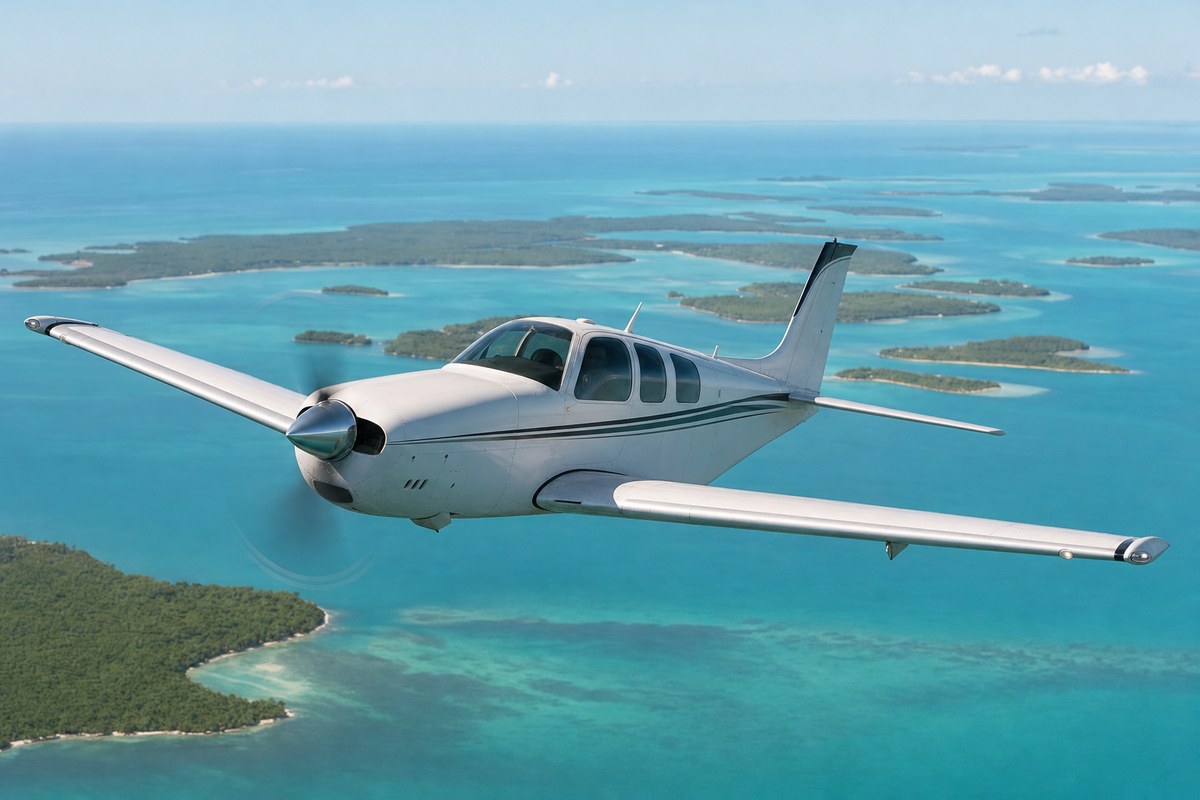
Beech Aircraft Corporation introduced the Bonanza in 1947 as a four-seat, single-engine airplane with a distinctive V-tail; later variants offered six seats. Beechcraft has delivered 26,165 Bonanza-family airplanes in total: about 17,170 Bonanzas (models 35, 36 and Bonanza-designated 33s), 1,297 Debonairs, 6,978 Barons (models 55, 56 and 58) and 720 Travel Airs.
Deliveries have fallen from a peak of hundreds of aircraft a year. Beechcraft delivered 13 Bonanzas in 2017, none in 2021, three in 2022, and five each in 2023 and 2024. Only four Bonanza and Baron aircraft were delivered in the first half of 2026. Order books were effectively closed in late 2023 or early 2024, and no public announcement has been made on the final delivery date or the remaining backlog. A modern G36 is priced at around $1 million or more.
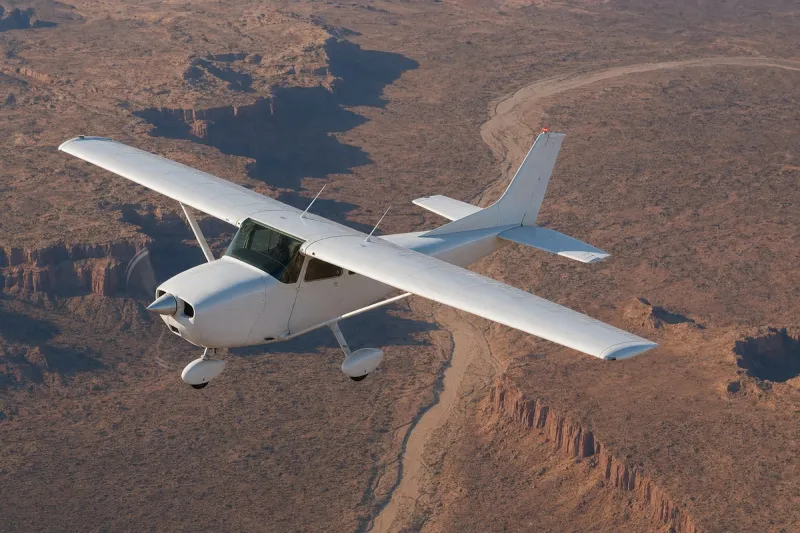
The decline is attributed to several factors: the aircraft's durability, which lets owners overhaul older Bonanzas rather than buy new ones; a loyal but conservative owner base that resisted radical updates; and the high fixed costs of running a labor-intensive production line for five to ten aircraft a year. In 2025, Cirrus delivered 691 SR20, SR22 and SR22T aircraft, while Textron's Cessna delivered 311 piston-engine aircraft against five Bonanzas. Other competitors in the segment include the Diamond DA50 RG, the Piper M350 and the Cessna 182 Skylane.
Industry impact & what to watch
A type that long outlived its own sales curve illustrates how piston-single economics work. When airframes last for decades and owners prefer incremental upkeep to replacement, the new-build market shrinks toward a handful of units a year, and a labor-intensive line stops covering its fixed costs. Five to ten aircraft annually against Cirrus's 691 deliveries in 2025 shows how far the segment's volume has shifted to a different kind of product.
For the existing Bonanza and Baron fleet, the practical weight sits in Textron's commitment to keep supplying parts, maintenance and support. Aftermarket support is what keeps a retired production type valuable and flyable, so the scope and duration of that commitment matter more to owners than the last delivery slot.
The items still to be settled are ones Textron has not announced: the final delivery date, which some industry sources place in 2027, and the size of the remaining backlog. Textron's own statement about assessing future investments in this segment, alongside the Denali's arrival in its portfolio, is the signal that would show where the company's piston and light-aircraft effort goes next.