Healey Says Heathrow Third Runway Is 'Always Been a Case for Growth' as Burnham Withholds Backing
Why It MattersA £33bn privately owned runway scheme now hinges on explicit political backing, showing how UK airport capacity depends on government policy statements and timetables rather than on the airport's own investment readiness.
What happened
Chancellor John Healey said that building a third runway at Heathrow Airport has "always been a case for growth", after Prime Minister Andy Burnham declined to say whether he supports the expansion. Healey was speaking at the International Monetary Fund meetings in Bangkok, where he described airport expansion, including at Heathrow, as "a big part of jobs and growth" in recent decades.
His predecessor, Rachel Reeves, had made Heathrow expansion a centrepiece of the argument that Britain is open for business. Last year she announced the government-backed project, saying "a third runway is badly needed".
The Department for Transport has said it is "considering the appropriate next steps" following the public consultation on its National Policy Statement, which provides the basis for deciding whether to grant a new runway. Healey said the consultation is closed and under review, with further decisions and announcements to follow.
The airport's consortium of owners has said it needs explicit backing from Burnham before the end of the year to proceed. Heathrow chief executive Thomas Woldbye said earlier this week that not building the runway would be a "huge missed opportunity".
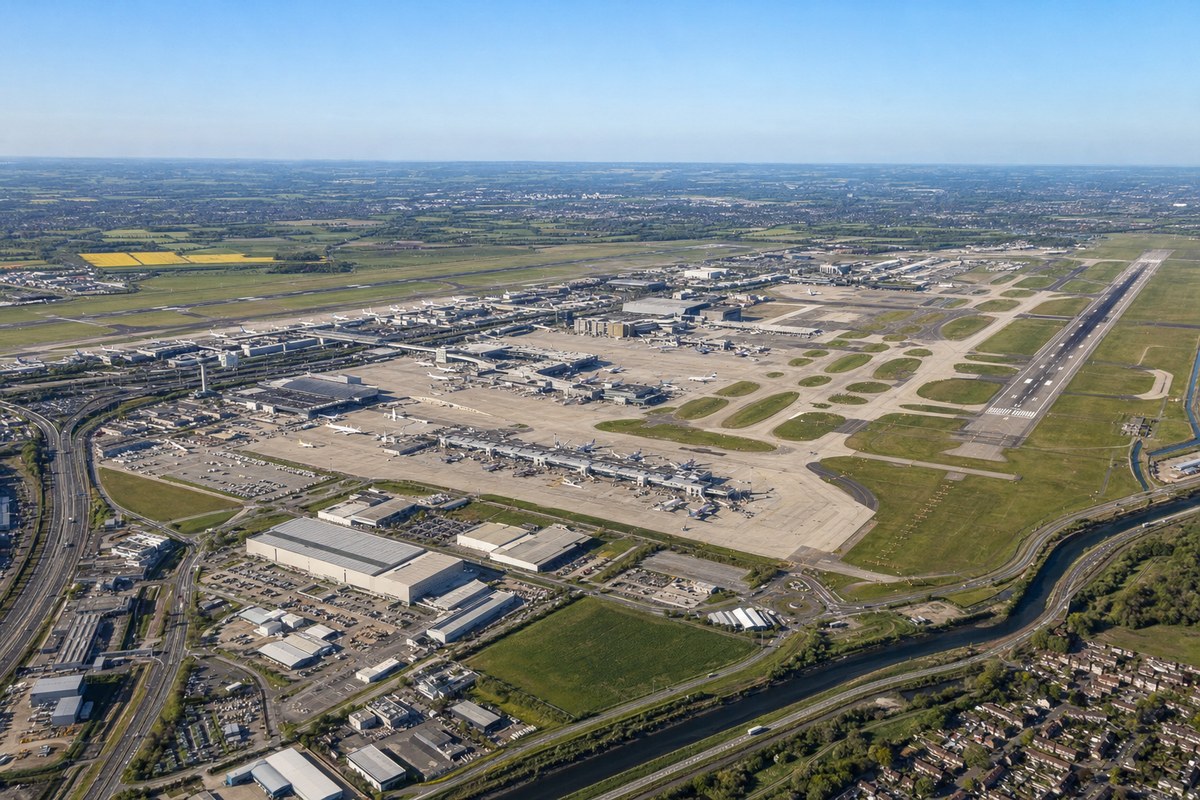
Heathrow serves more than 80 million travellers a year through four passenger terminals and two runways. Annual flights are currently capped at 480,000 and could rise to 720,000, or nearly 2,000 a day on average, with a third runway. The project carries an estimated cost of £33bn and would involve demolishing hundreds of homes, diverting rivers and rerouting the M25 through a tunnel between junctions 14 and 15.
The runway was scheduled to open by 2035, subject to plans being submitted and approved, but Heathrow has suggested a four-year delay to 2039 because of planning and regulatory issues.
Industry impact & what to watch
The episode shows where the decision sits. Heathrow's owners are not waiting on engineering or financing readiness but on a political signal: they have said they need explicit prime-ministerial backing before the end of the year. A chancellor endorsing the growth case while the prime minister stays silent leaves that signal unissued, and for a project of this size the owners' own timetable depends on it.
For business aviation, the relevance is capacity. Heathrow's flight cap of 480,000 a year versus the 720,000 a third runway would allow frames how much room the UK's main hub could ever offer, and any slippage from 2035 to 2039 pushes that headroom further out. How this plays out matters most to operators and handlers who compete for slots and movements at constrained London-area airports.
The next point that would settle the question is the Department for Transport's decision on the National Policy Statement after its consultation review, together with whether Burnham gives the explicit backing the owners have asked for before the year ends.