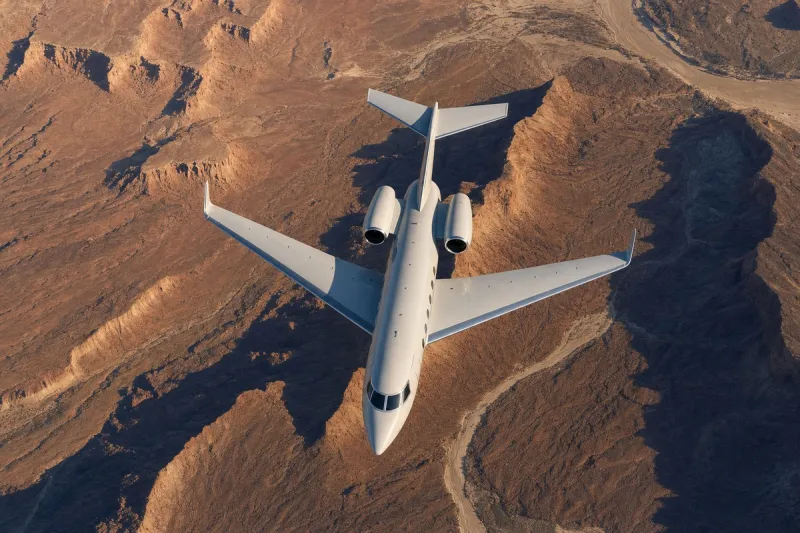
US Civil Reserve Air Fleet: How Commercial Airlines Are Contracted to Support Pentagon Airlift
Why It MattersThe program ties airlines' military charter income to standby fleet commitments, so surge airlift capacity rests on commercial crew depth and fleet allocation, with a space-sector equivalent now being assembled.
What happened
The Civil Reserve Air Fleet (CRAF) is a program under which US-registered commercial aircraft are contractually committed to support Department of Defense airlift needs in an emergency. It traces to the Defense Production Act of 1950, which gave the president broad authority over prioritization and allocation of industrial base resources, including commercial airliners. Other countries, including the UK, China and Russia, run comparable programs.
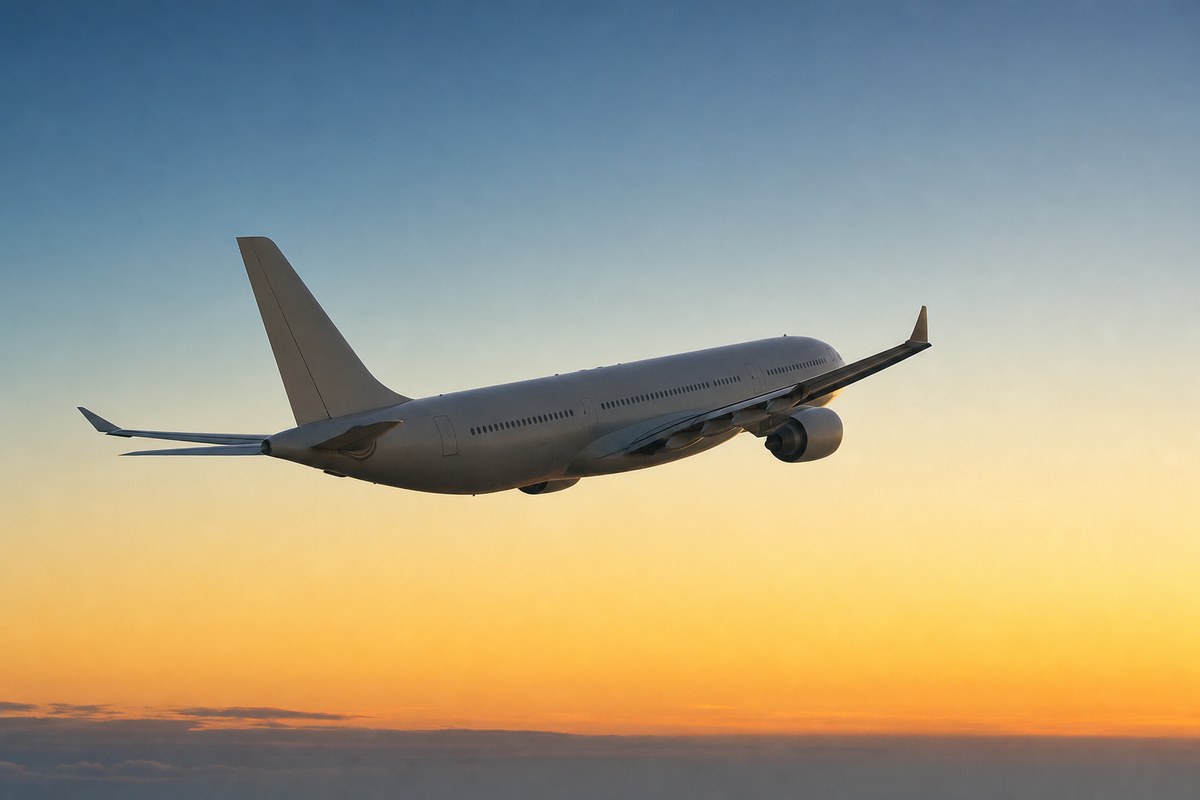
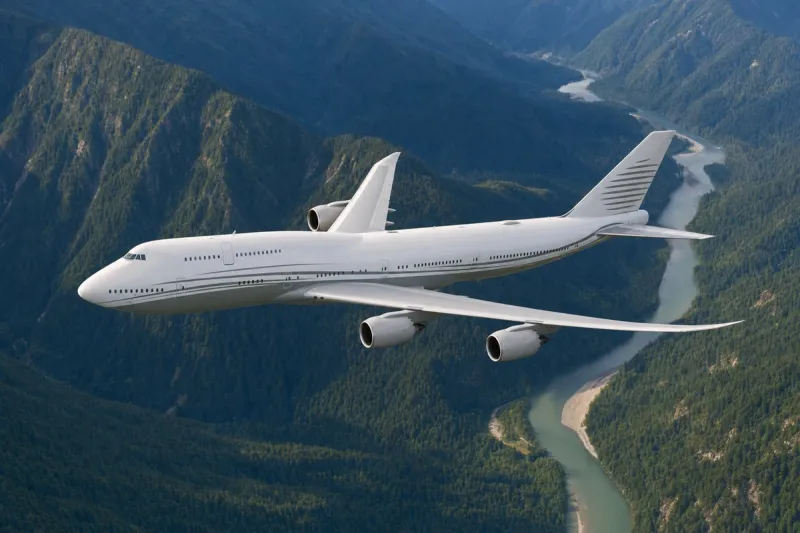
The CRAF has an international segment, split into long-range and short-range sections, and a national segment. The long-range international section comprises passenger and cargo aircraft capable of transoceanic operations; medium-sized passenger and cargo aircraft fill the short-range section, supporting near-offshore and some intra-theater requirements. Committed aircraft must be US-registered, and airlines must maintain at least four complete crews per aircraft. To join the international segments, carriers must commit at least 30% of their CRAF-capable passenger fleet.
The CRAF has been activated three times, all after the Cold War: during Operation Desert Shield in the first Gulf War, in 2003 for Operation Iraqi Freedom, and in 2021 for Operation Allies Refuge, the Afghanistan evacuation. The August 1990 call-up covered 17 long-range international passenger aircraft and 21 long-range international cargo aircraft, 38 aircraft from 16 airlines, providing 1,920 additional passenger seats and 490 tons of daily cargo capacity. In 1991 the total rose to 76 passenger and 40 cargo aircraft, 116 in all, across Stages I and II.
An official US Air Force page dating to June 2014 listed 24 carriers and 553 aircraft: 517 in the international segment (391 long-range, 126 short-range) and 36 in the national segment. A December 2025 US Transportation Command article says more than 20 carriers and over 800 aircraft now participate. A March 2025 Air Mobility Command fact sheet lists 17 carriers in the long-range international segment, eight in the short-range international segment and three in the national segment, with some airlines in multiple segments.
Participation also brings peacetime business. Airlines that commit aircraft receive preference when bidding on peacetime military cargo and passenger work under the CRAF Charter Airlift Services contract. The US Department of War listed dozens of airlines in October 2026 and said it had awarded $4.2 billion in contracts for international long- and short-range charter airlift, bringing the program's cumulative face value to $8.2 billion. United passenger flights, for example, carry F-35 and other aircraft components to Israel and other destinations.
Activation and the national segment
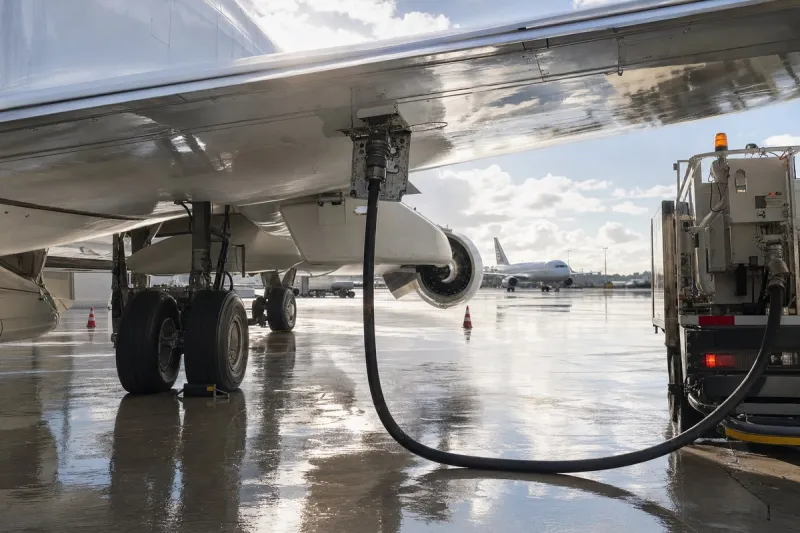
After a call-up, a carrier has 24 to 48 hours to ready its aircraft once Air Mobility Command assigns the mission. Carriers operate and maintain the aircraft with their own resources while under AMC control.
In 2014 the national segment had two carriers, Southwest and Allegiant Air; by late 2025 it had three, though the third is unidentified. Sun Country was acquired by Allegiant in 2026.
Industry impact & what to watch
The CRAF shows how military airlift capacity in the US is built: not from a large government-owned fleet but from contractual claims on commercial aircraft and crews. For carriers, the obligation to hold at least four complete crews per aircraft and to commit a share of the fleet is traded against preferential access to military charter work, which is why the program's contract awards run into billions of dollars.
The participation counts also show how loosely the roster can be described. Figures from the Air Force, Transportation Command, Air Mobility Command and a Defense Business Board report differ in carrier and aircraft numbers, and some airlines sit in more than one segment, so a single headline count says little about usable surge capacity at any given moment. The 24-to-48-hour readiness window is what turns paper commitments into flying capacity.
The same model is now being applied beyond aviation. The Space Force is assembling its Commercial Augmentation Space Reserve, with contracts for space domain awareness due by the end of 2026 according to Col. Tim Trimailo, and the four companies behind the initial CASR contracts have not been publicly identified. Their disclosure is the next milestone for judging how closely that program will follow the CRAF template.