Airbus Helicopters CEO Does Not Expect Other Countries to Follow U.S. Army's Move to Single-Engine R66 Trainer
Why It MattersMilitary training fleets are split between twin-engine and single-engine philosophies, and a large buyer's switch changes the Lakota's role without setting a template; each air arm weighs its own mission profile.
What happened
Airbus Helicopters CEO Matthieu Louvot said he does not expect other countries to follow the U.S. Army's shift toward smaller, single-engine helicopters for rotary-wing training. He spoke to journalists at Airbus Helicopters' MDays military rotorcraft event in Marseille, France, on Oct. 8-9.
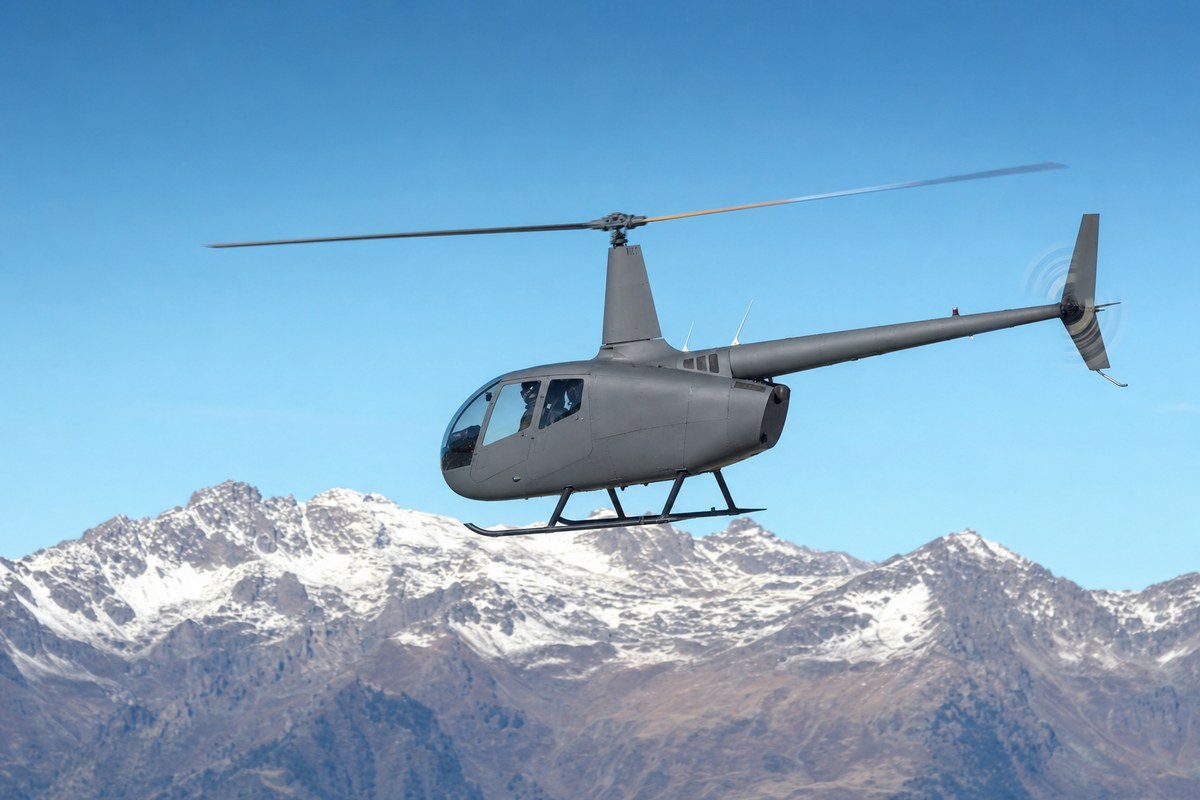
In August, the U.S. Army selected a proposal from M1 Support Services to use the Robinson R66 single-engine light helicopter as its new rotary-wing trainer. The R66 replaces the Airbus UH-72A Lakota at the Army's flight school at Fort Rucker, Alabama. Army leaders suggested that a series of mishaps involving front-line rotorcraft exposed deficiencies in fundamental piloting skills, including power management and recovery from spatial disorientation.
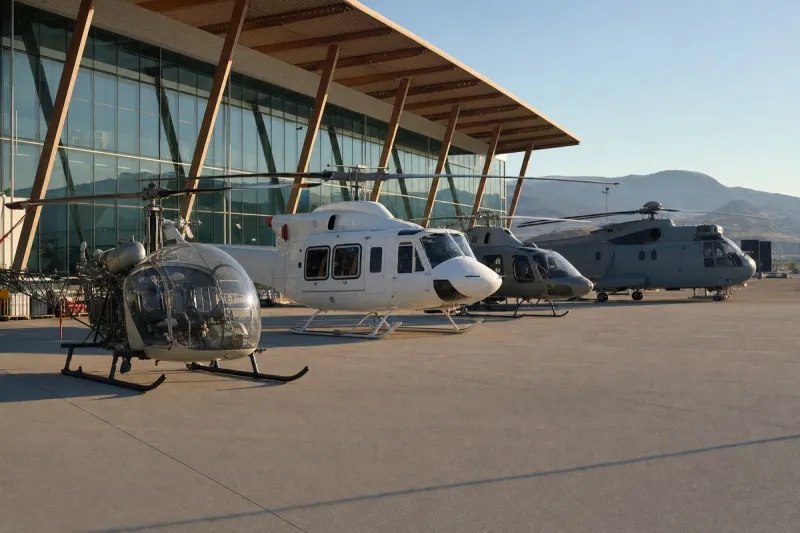
Several countries have adopted twin-engine helicopters for military flight training, with Airbus' H135 entering service in Australia, Canada, Germany and the UK. Louvot said: "I do not fear a new propagation of the American [training] concept in other customers. Customers are making their own choices, and the U.S. has made theirs, we respect it." He described the Lakota as a great training aircraft, especially for pilots transitioning to very large helicopters.
Airbus expects military training sales of its 3-metric-ton H135 to continue and can also offer the 2.4-metric-ton single-engine H125. It no longer has a helicopter at the lower end of the market: production of the 1.7-metric-ton EC120 ended in September 2017 after around 700 aircraft were delivered. The EC120, also known as the Colibri, remains France's primary rotary-wing trainer. Louvot suggested Airbus could turn to Helicopteres Guimbal, the Aix-en-Provence-based manufacturer in which it holds a stake, if France or other countries want a smaller training helicopter.
Industry impact & what to watch
Military helicopter training splits along two philosophies. One favors twin-engine aircraft that resemble front-line types and carry a margin of safety. The other favors smaller single-engine machines that put students through demanding power-management and emergency-handling lessons at lower cost per hour. The U.S. Army's choice moves the world's largest rotary-wing training pipeline to the second camp, but each air arm weighs its own mission mix, fleet and budget, so a large buyer's decision does not automatically become a template for others.
For Airbus the commercial exposure is concentrated at the bottom of its range. With the EC120 out of production since 2017, the company covers the light-trainer niche only through the H125 and, by Louvot's own suggestion, through its Guimbal stake. Whether a customer such as France asks for a smaller type is the practical test of how far the U.S. concept travels, and it is a decision those customers have yet to make.