Rolls-Royce Completes Pearl 10X Ground Tests for Engine Certification as Integrated Powerplant Testing Continues
Why It MattersFinishing engine-level certification tests while powerplant integration work continues shows that business-jet engine programs now hinge on the full nacelle-and-systems package, not the core engine alone.
What happened
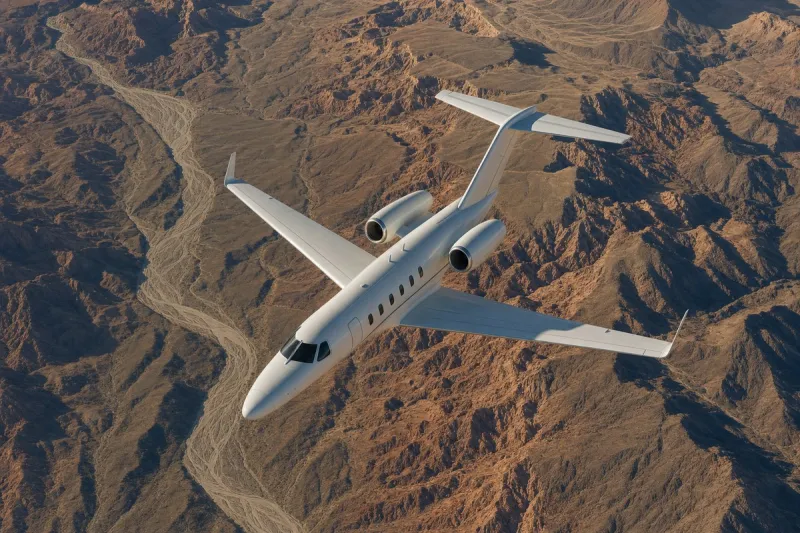
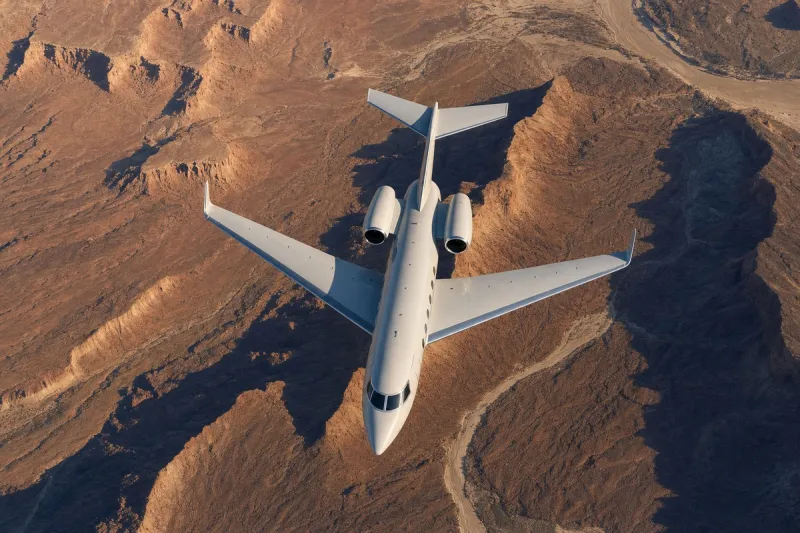
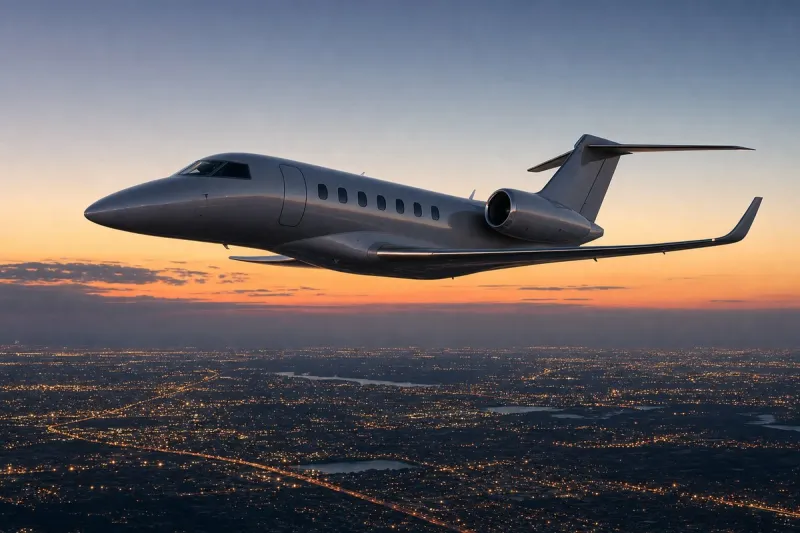
Rolls-Royce has completed the tests required for certification of the Pearl 10X engine, which powers the Dassault Falcon 10X, and is continuing integrated powerplant system (IPPS) tests, according to Philipp Zeller, Dassault senior vice president at Rolls-Royce. The Pearl 10X delivers more than 18,000 lb. of thrust, making it the most powerful engine Rolls-Royce has designed for business aviation. The Falcon 10X twinjet, Dassault Aviation's largest business aircraft, began its flight-test campaign in June.
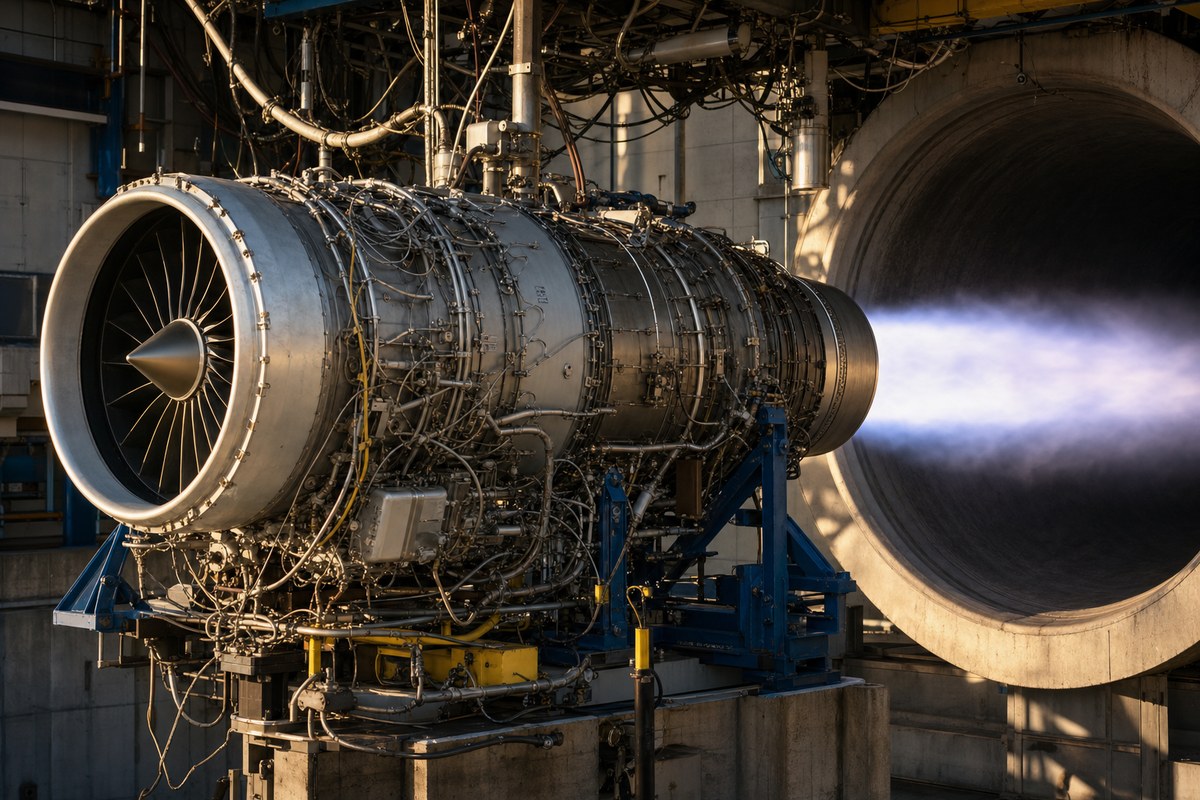
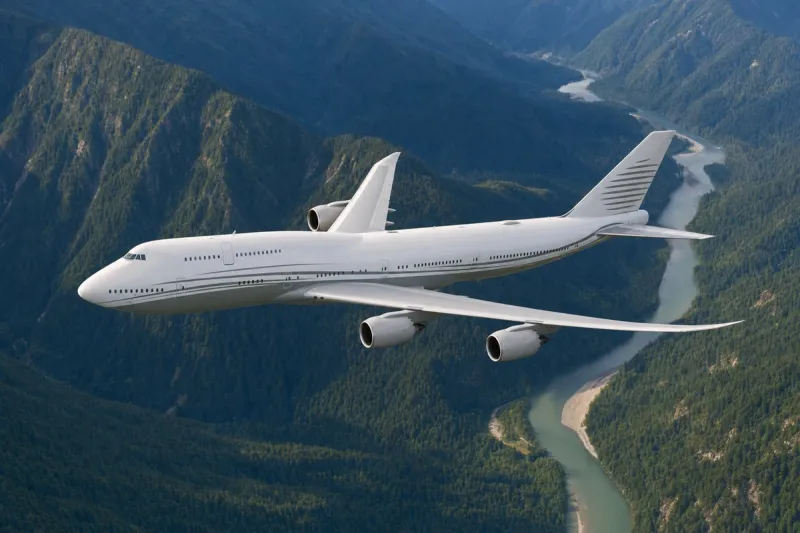
The engine has completed ground testing for engine certification, and development continues to support certification items at aircraft level. Rolls-Royce delivers an IPPS comprising the nacelle, thrust reversers and the engine build unit (EBU), which includes ducting and other systems. Development has relied on 5,000 hours of ground testing, including with the Pearl family's Advance2 core demonstrator. As of mid-October, the engine had logged 250 flight hours on Rolls-Royce's former Boeing 747 flying testbed and on the two Falcon 10Xs in flight tests.
To reach higher thrust, Rolls-Royce upgraded the combustor with 3D-printed tiles that allow higher temperatures while keeping emissions low. The tiles tailor the flow of cooling air injected into the combustor, producing a more uniform temperature pattern, which limits nitrous oxide formation at temperature peaks and improves turbine blade life. Engineers also upgraded the accessory gearbox to supply the power output that other Falcon 10X systems require.
Rolls-Royce has delivered Pearl 10X engines for Dassault's four test aircraft, plus spare engines. Production has started at the company's factory in Dahlewitz, Germany, and a new Rolls-Royce site near Dassault's Bordeaux-Merignac final assembly line supports flight tests and aircraft production.
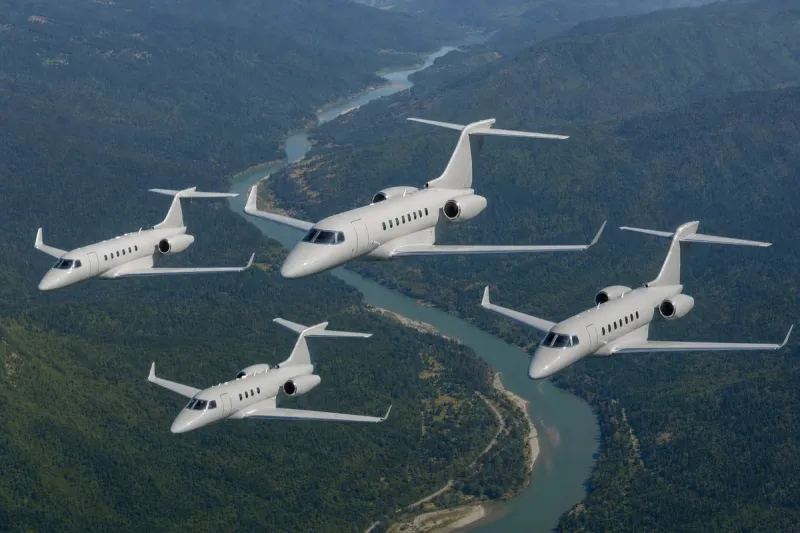
Elsewhere in the Pearl family, the Pearl 15 has accumulated 400,000 flight hours on about 200 Bombardier Global 5500/6500 business jets and is approaching its 99.9% reliability target. The Pearl 700 has accrued 160,000 flight hours on 150 Gulfstream G700/G800 jets in service.
Industry impact & what to watch
Large-cabin business-jet programs depend on the engine and the airframe maturing together. Here the engine-level ground tests are done, yet Rolls-Royce is still working through certification items at aircraft level, and it supplies the whole IPPS, not just the engine core. That split matters because a nacelle, thrust reversers and ducting are certified in the context of the aircraft they sit on, so engine completion alone does not settle the schedule.
The in-service record of the sibling engines shows what the segment now expects of a new powerplant: flight-hour accumulation and reliability figures are used as proof points before a new model ever carries a customer. The Pearl 10X's 250 flight hours are small beside the 400,000 on the Pearl 15 and 160,000 on the Pearl 700, so the next credible evidence comes from the Falcon 10X flight-test campaign continuing alongside production at Dahlewitz and the new site near Bordeaux-Merignac.