Dawn Aerospace Breaks Ground on $7.5 Million Mission Control and Spaceplane Hangar at Oklahoma's Infinity One Spaceport
Why It MattersThe build shows reusable suborbital spaceplane programs seeking established runway sites and state backing, which makes fixed ground infrastructure rather than vehicles the next gating step for frequent suborbital operations.
What happened
State leaders joined Dawn Aerospace on Tuesday to break ground on a new mission control facility and spaceplane hangar at Infinity One Oklahoma Spaceport in Burns Flat. The project is valued at $7.5 million and is expected to be completed in the fall of 2027.
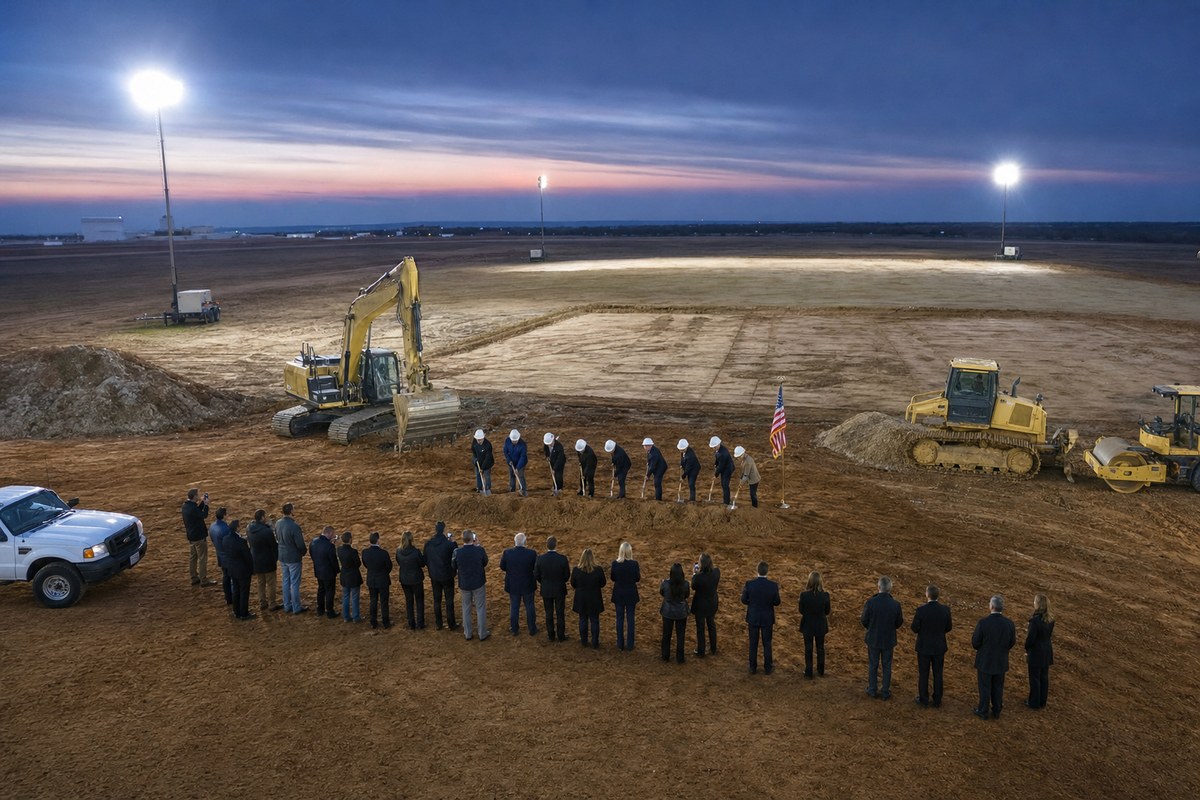
The development totals 15,000 square feet: a 5,000-square-foot mission control and operations facility and a 10,000-square-foot hangar. It supports Dawn Aerospace and its reusable, rocket-powered Aurora spaceplane, and will also include avionics and payload workspaces, a flight simulation office, conference rooms and operational areas.
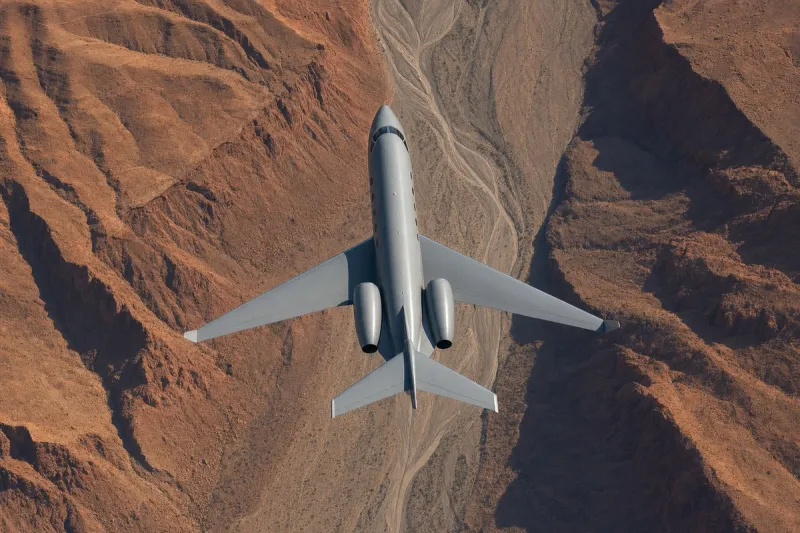
Dawn Aerospace plans to begin flying its full-performance Aurora spaceplane from Infinity One next year. The company has completed 64 Aurora test flights; in 2024 the aircraft broke the sound barrier and set a speed record of 118.6 seconds to an altitude of 66,000 feet from a runway. Unlike traditional rockets, Aurora can be flown again within hours, which the company says can accelerate science and learning.
Officials say the spaceplane is being developed to enable frequent, lower-cost access to suborbital space for microgravity and scientific research and space technology testing. Lt. Gov. Matt Pinnell said discussions with Dawn began in 2024. State Rep. Nick Archer said the company's presence in Burns Flat could bring new business and talent to western Oklahoma.
Industry impact & what to watch
Reusable suborbital vehicles that take off from runways have different ground needs from vertical launchers: a hangar, a control room and simulation space matter as much as a pad. A spaceplane that can be flown again within hours puts its demands on turnaround facilities and operations staff, which is why the ground build-out is a program milestone in its own right.
Siting the work at an established aviation location fits how new flight programs tend to enter the market, borrowing existing airfield infrastructure and political support instead of building from scratch. Local and state leaders framed the project as new commercial spaceflight activity at an established aviation site, so the relevant measure is whether activity actually develops there.
The next checkpoints are dated: Aurora flights from Infinity One planned for next year, and facility completion in the fall of 2027. The sequence implies that flight operations are meant to begin before the permanent mission control building is finished.