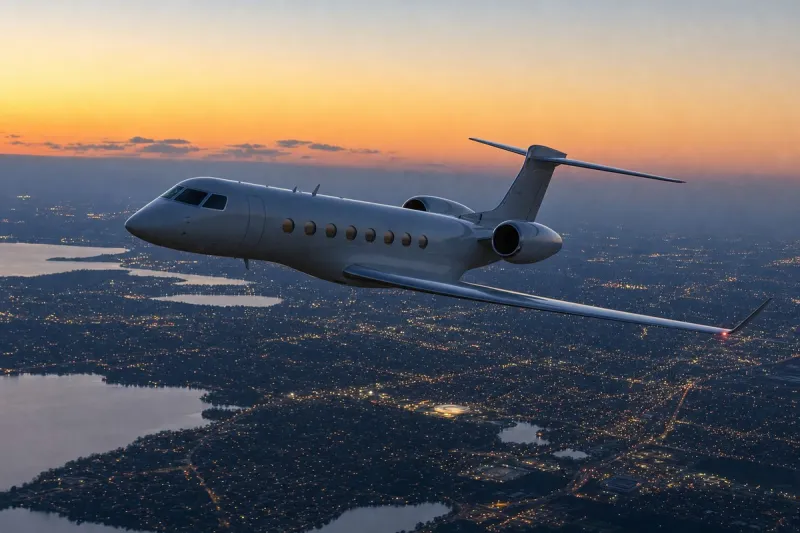
Honda Aircraft Completes First Wing Structure of HondaJet Echelon Test Unit; First Flight Now Targeted for 2028
Why It MattersA single-pilot light jet with transcontinental range is a category no certified aircraft occupies today, so schedule slips on a first-of-its-kind airframe shift when that capability reaches the market.
What happened
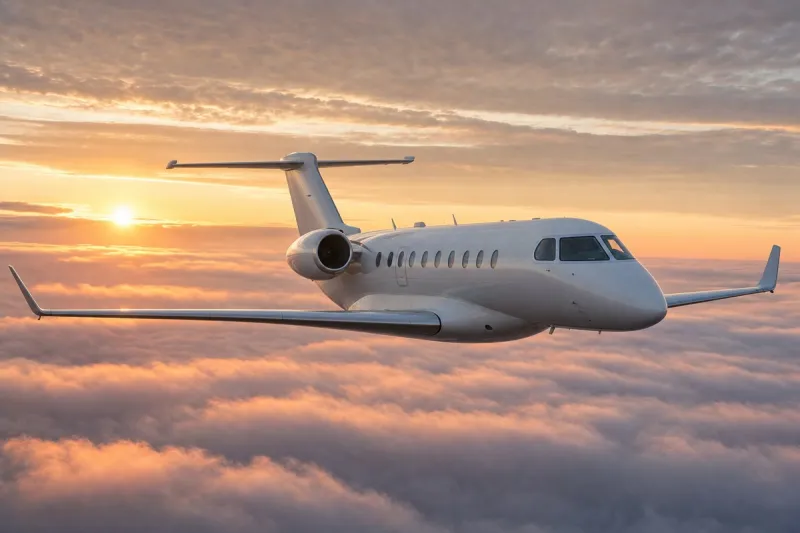
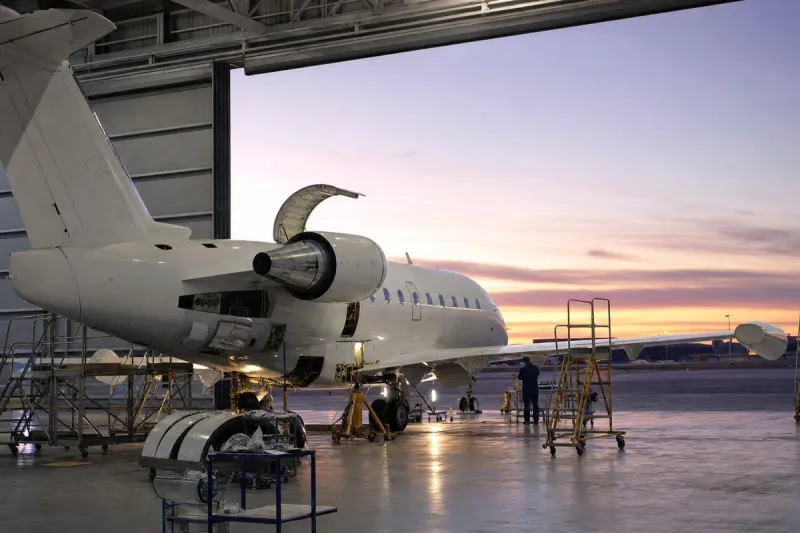
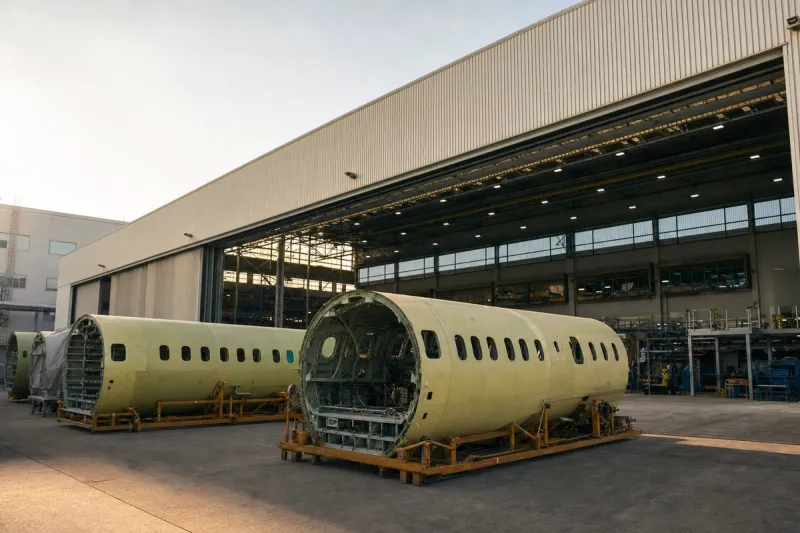
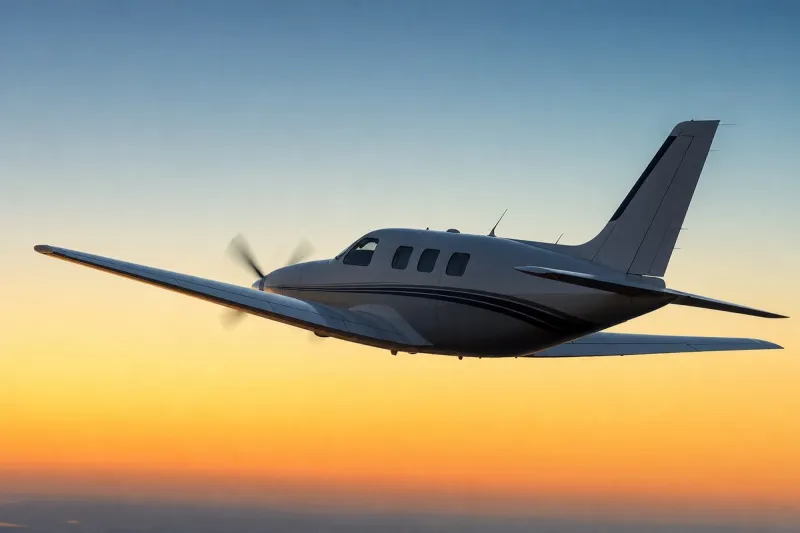
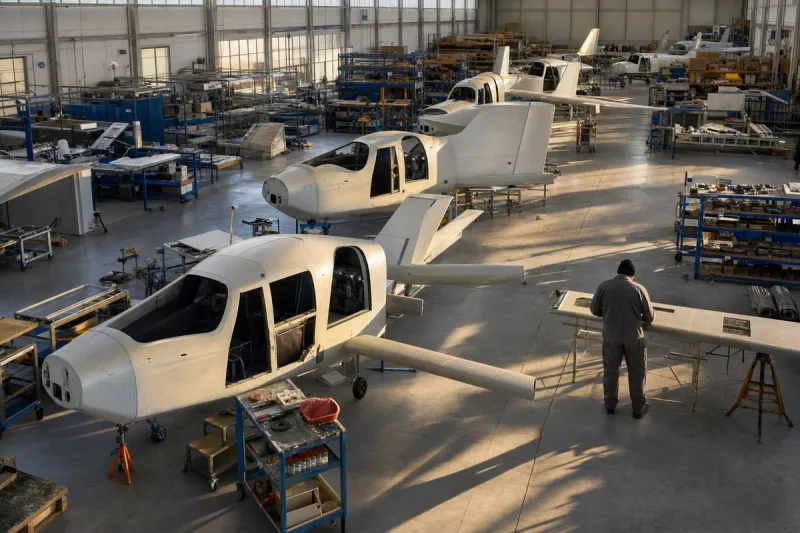
Honda Aircraft Company has completed the first wing structure of the HondaJet Echelon test unit, a milestone that moves the program toward mainline final assembly. The Echelon will have a larger cabin with greater passenger capacity than the current HA-420, and the company designed it to become the world's first single-pilot certified light jet capable of U.S. transcontinental range.
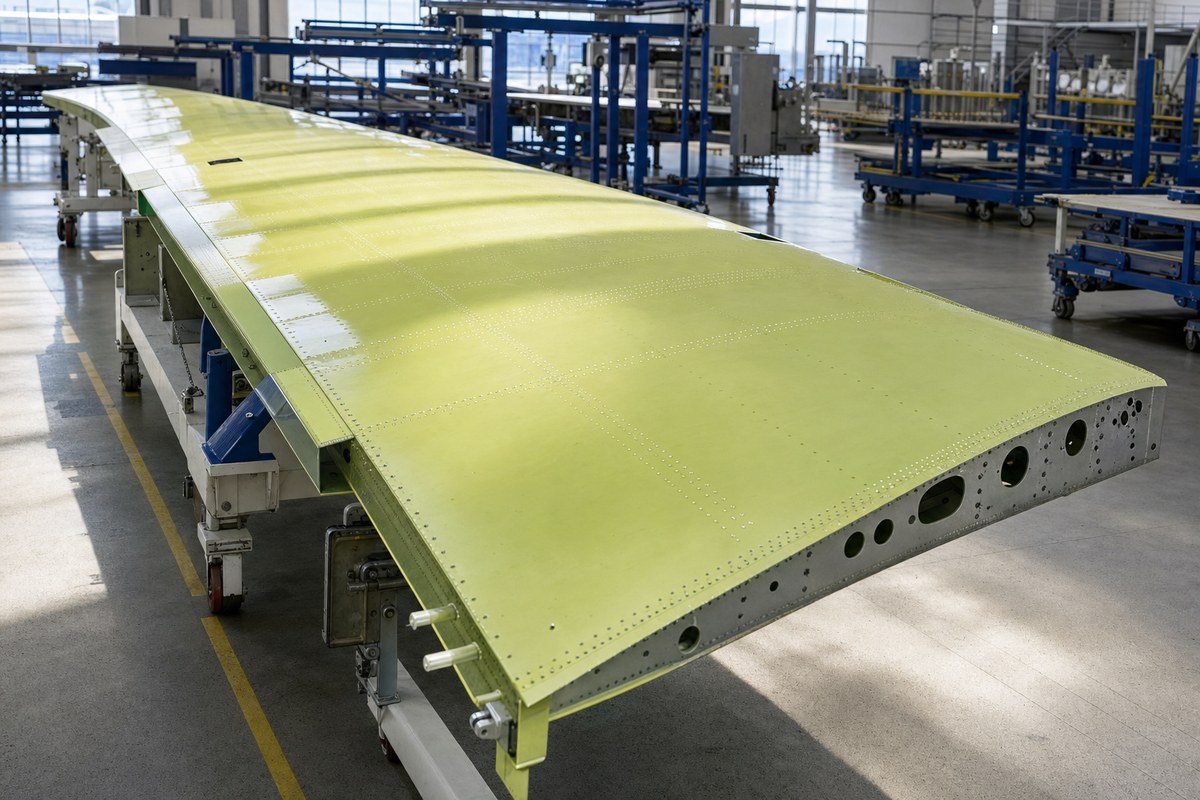
The company is now targeting first flight in 2028, with type certification and first delivery in 2031. It said the updated timeline reflects tier-one supplier-related schedule adjustments and ongoing development activities.
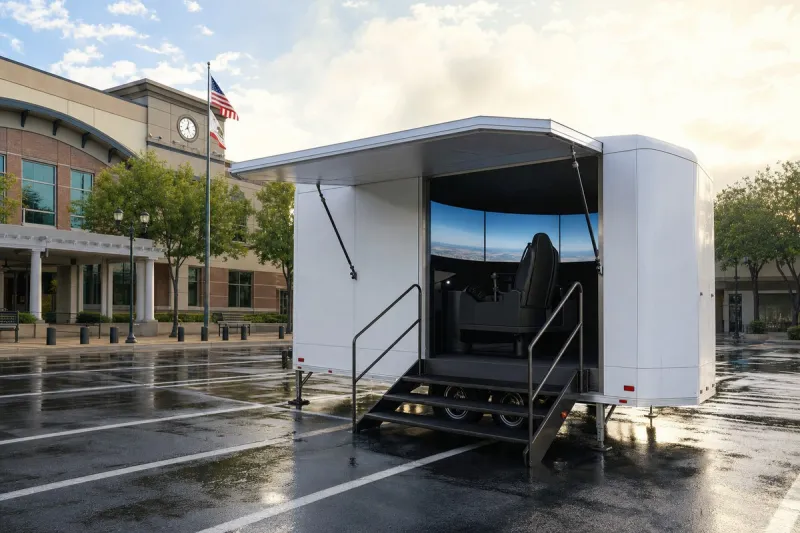
Structural testing has advanced, with key component tests complete. System integration continues at Honda Aircraft's Integrated Test Facility, where a fully operational cockpit test environment supports active integration campaigns. A second cockpit is being commissioned to evaluate key aircraft systems before the test aircraft flies.
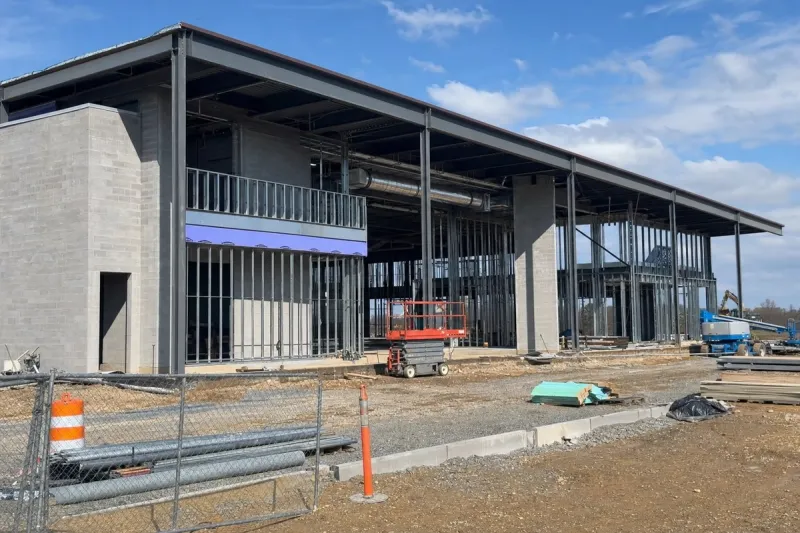
On the manufacturing side, more than 70% of the parts required for first assembly are on hand, and more than 88,400 sq ft is now provisioned for Echelon manufacturing. The aircraft is planned to incorporate Honda Aircraft's Over the Wing Engine Mount, a composite fuselage and advanced avionics. Planned features include Auto Throttle, Emergency Autoland, Autobrake, the Runway Overrun Awareness and Alerting System (ROAAS) and the Advanced Steering Augmentation System (ASAS).
Amod Kelkar, Senior Vice President, Chief Commercial Officer and HondaJet Echelon Program Leader, said the company is committed to delivering the aircraft despite some schedule challenges. He noted that the program has more than 530 signed letters of intent.
Industry impact & what to watch
Honda Aircraft is attempting to occupy a position in the light-jet segment that no certified aircraft holds today: one pilot, a cabin larger than the HA-420's, and enough range to cross the continental United States. Programs that combine a new composite fuselage, a distinctive engine installation and a heavy avionics package tend to depend on a small number of tier-one suppliers, so a supplier-driven slip is an ordinary risk of this kind of development rather than a sign of a program in trouble.
Letters of intent are a measure of interest, not of firm orders, and they do not carry deposits or delivery slots. For buyers and fleet planners, the practical effect of a first delivery in 2031 is that the aircraft sits outside most current replacement and expansion cycles, which makes it a long-horizon consideration rather than an input to near-term fleet decisions.
The next checkpoints that will show how the schedule holds are the arrival of the remaining parts for first assembly, the commissioning of the second cockpit, and the move into mainline final assembly. The 2028 first-flight date is the first point at which the timeline gets tested against hardware.