Blackhawk Gains FAA STC for Heated Anti-Ice System on Piper Meridian M500
Why It MattersCertified retrofit anti-ice solutions let older single-engine turboprops widen their usable envelope without a new airframe, shifting upgrade economics toward supplemental type certificates held by aftermarket specialists.
What happened
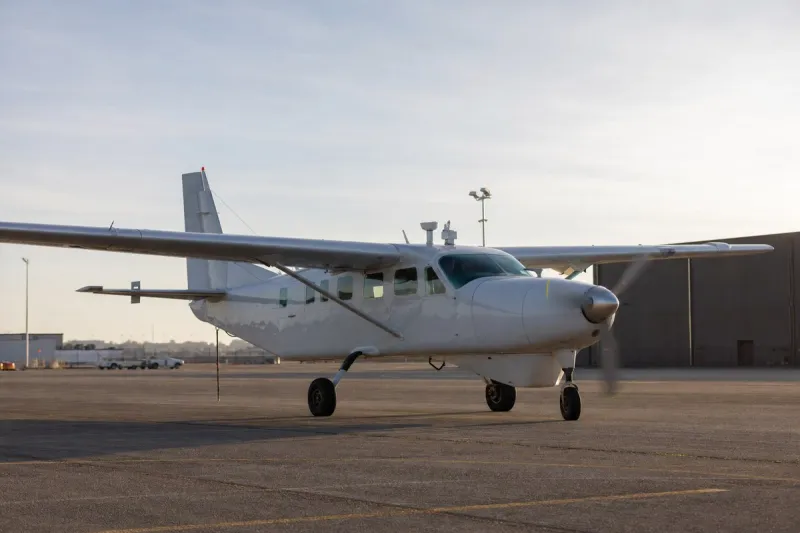
The Blackhawk Group has received a Federal Aviation Administration supplemental type certificate (STC) for its Piper Meridian Heated Anti-Ice System. The certificate brings certified anti-ice capability to legacy Piper Meridian aircraft and simplifies operations in icing conditions for the single-engine turboprop.

When activated, the system prevents ice from bridging the gap between the elevator horn and the horizontal stabilizer, allowing smooth, unrestricted flight control movement. The system is electrically heated and was developed by Blackhawk. It applies to the Piper Meridian M500.
Industry impact & what to watch
An STC is the route by which an aftermarket developer adds certified capability to an aircraft type it did not build. Here the capability is a heated anti-ice system for aircraft already in service, which means owners of existing Meridians can gain it through a modification rather than by moving to a different airframe. For a segment where the installed base is small and long-lived, this kind of certified retrofit is a main way older aircraft keep pace with newer ones.
The specific hazard addressed is ice accumulating between the elevator horn and the horizontal stabilizer, which can restrict control movement. Keeping that gap clear is what makes the flight controls move freely in icing conditions. For operators who fly in regions and seasons where icing is common, certification of a purpose-built solution changes what the aircraft can be used for.