Kevin Singh: Ramp Space, Private-Equity FBO Ownership and a Possible Tax Swing Threaten Business Aviation
Why It MattersBusiness aviation's growth is capped by fixed ground infrastructure and a tax regime that drives aircraft sales, so a policy swing would leave the same bottleneck without the demand incentive.
What happened
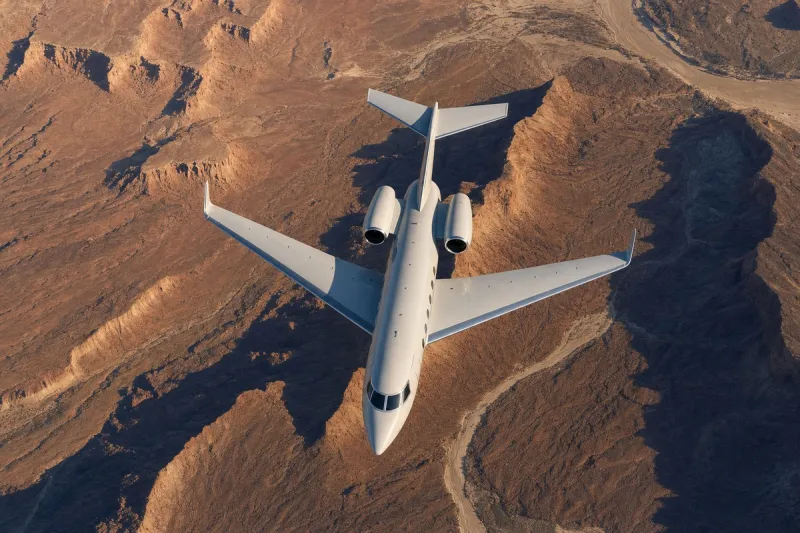
Kevin Singh, a broker who buys fuel on behalf of clients and is associated with Icarus invoicing, said in an interview that the sector's main constraint is ramp space. Large-cabin jets such as the Global 7500 and the G700 fly 14 or 15 hours, he said, and FBOs and airports were never built to handle some 480 such big jets. White Plains and Teterboro already run 480 to 490 movements a day and are maxed out, he said, with no room to build around airports.
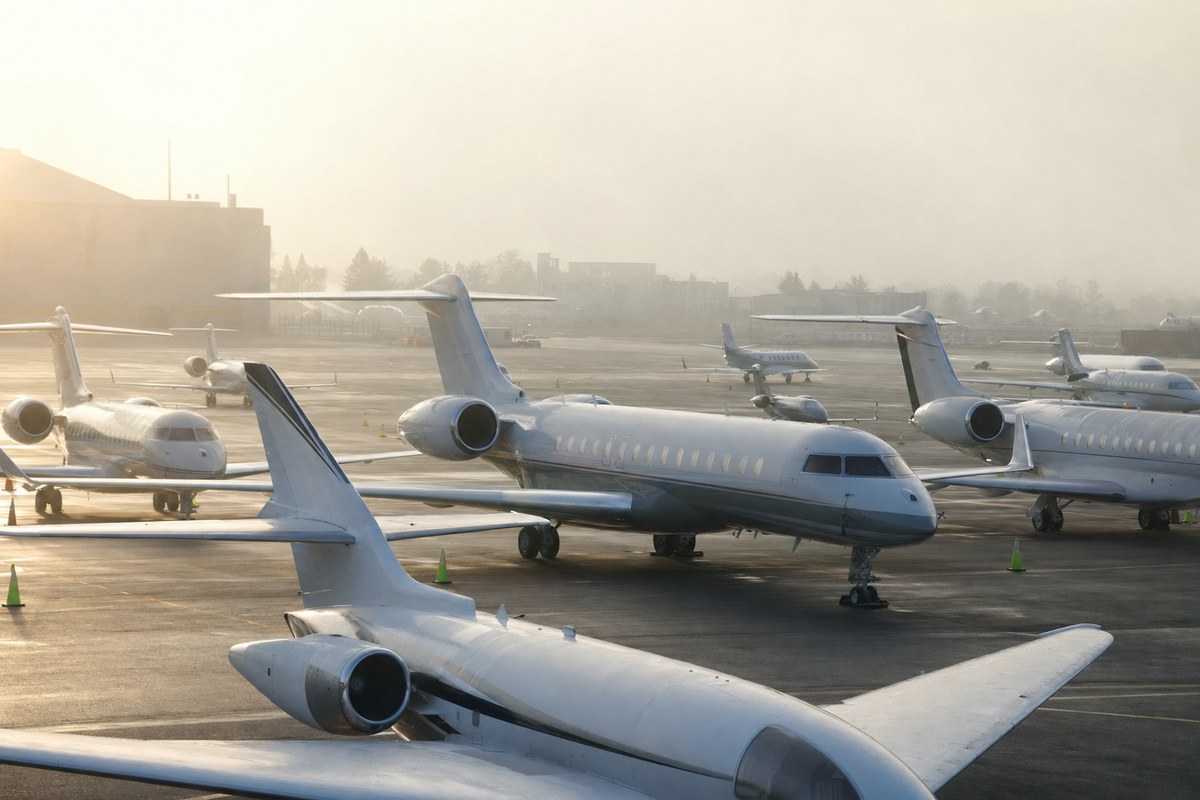
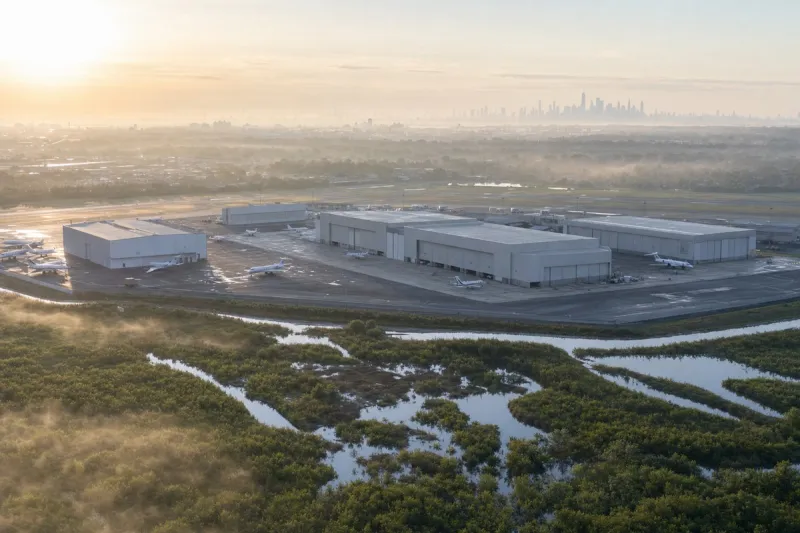
Singh said private equity has bought FBOs, naming Atlantic, and that Signature is gone and no mom-and-pop FBOs remain, which he called a monopoly. Ramp fees used to be waived with a fuel purchase, he said, whereas now an FBO at Teterboro may be unable to accept an aircraft clearing customs for two hours. He said one FBO charges him $8,000 to come in even when it is closed and handled by one person with an automated key. Manufacturers spent two years breaking city-pair speed records, he said, but aircraft that arrive 30 minutes earlier can then wait an hour and a half in a holding pattern.
On automation, Singh said the industry plans to introduce AI into customer service and that this will cause more incidents and accidents. Pilots have not been replaced because type certification costs billions, he said, citing the Learjet 85 losses, which he said almost took the company out. Insurers will not cover an aircraft without two pilots, he said, and electric aircraft and air taxis flying 20 to 30 miles will be the first to adopt AI.
On sustainable aviation fuel, Singh said buyers' hands are tied: with 100% of his clients, a price five cents a gallon higher means they cannot buy it from him. Jet fuel is 25% to 35% of operating cost, against roughly 10% each for maintenance and salaries, he said, and without government subsidies and forced policies SAF will not take off. He also said China has 500 private jets in total.
Of Middle East operations, Singh said he has flown to Tel Aviv and personally flew people in and out of Beirut. Pilots flew on heading mode because GNSS was spoofed, he said, and spoofing corrupts data in aircraft, disabling terrain warnings and weather radar and showing wrong positions. No airliner has been shot down in four years, he said, and growing complacency is dangerous, which he described as a Swiss cheese model of aviation safety.
The tax risk
Singh said his most urgent worry is a political swing. If Congress changes hands this year, he said, tax benefits, above all 100% depreciation, could be lost. Sales are driven by the ability to write off aircraft, he said.
He said Copenhagen and other cities have already tried to restrict business aviation. The loss of incentives with no new airports would leave the same bottleneck, he said, and prime private equity to buy assets and sell on.
Industry impact & what to watch
Singh's account describes a segment whose growth is limited less by aircraft supply than by the ground infrastructure around it. Longer-range cabins add flying capability, but arrival slots, customs handling and ramp availability at a small number of busy airports do not expand at the same pace. When one owner group controls a large share of the FBOs at those airports, pricing and acceptance terms are set by that group, which is the concentration concern he raises.
The tax argument works differently. Aircraft purchases in this segment are sensitive to how much of the cost can be written off, so a change in depreciation rules would act on demand directly, while the physical bottleneck would remain. His point that private equity would then buy assets and resell them is a claim about ownership consolidation, not a forecast he supports with figures.
The SAF and AI remarks fit the same cost-sensitivity logic: fuel is a large operating cost, so small per-gallon premiums decide purchases, and insurer requirements shape how fast crew roles can change. The next concrete marker is the outcome of this year's congressional contest, since Singh ties the depreciation risk to which party holds the chamber.