Pitkin County Proposes Record $450 Million 2027 Budget, Driven by $186 Million Aspen Airport Redevelopment Spending
Why It MattersA commercial airport shut for eight months shows how a resort county's tax base depends on air access, with construction cost overruns and forecast sales-tax declines landing on local government at once.
What happened
The Pitkin Board of County Commissioners is reviewing a proposed $450 million budget for 2027, up from the county's already-historic $312 million budget for 2026. It includes more capital project spending than the county has ever undertaken. County Manager Kara Silbernagel described it at a budget-overview work session on Tuesday as "a year like no other that I've seen here at the county."
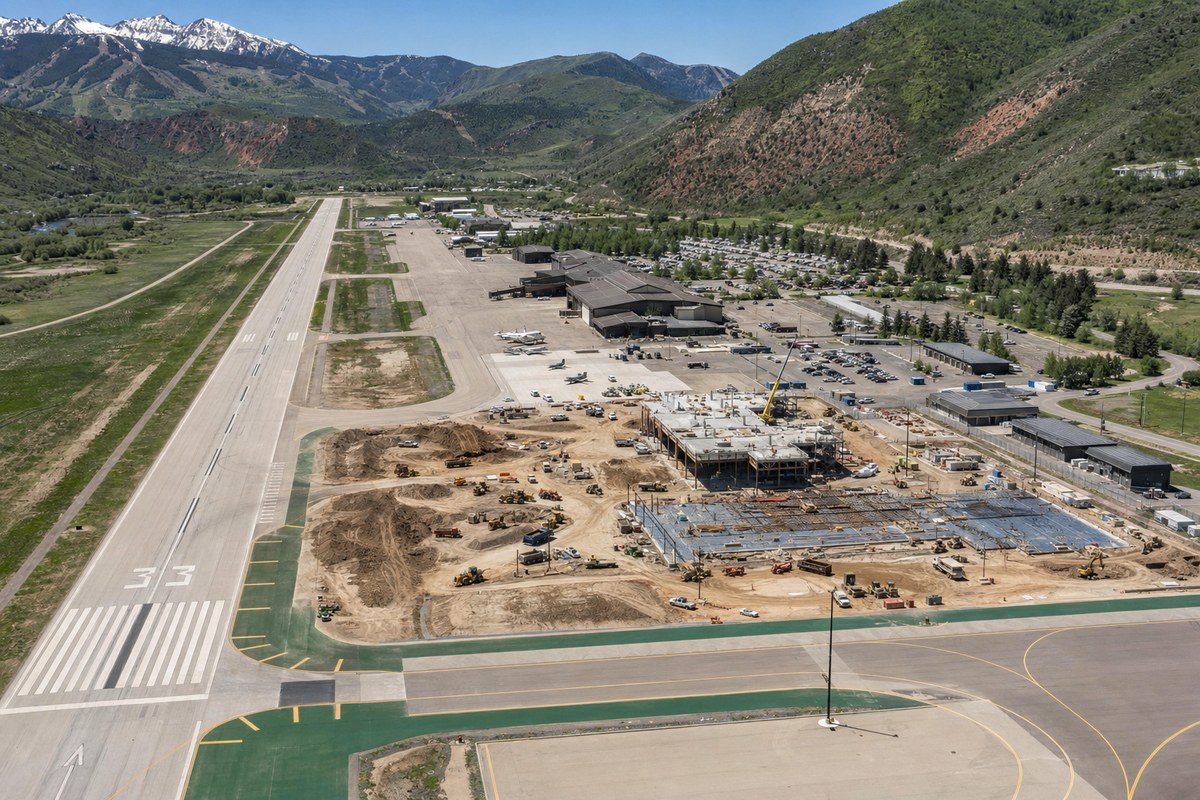
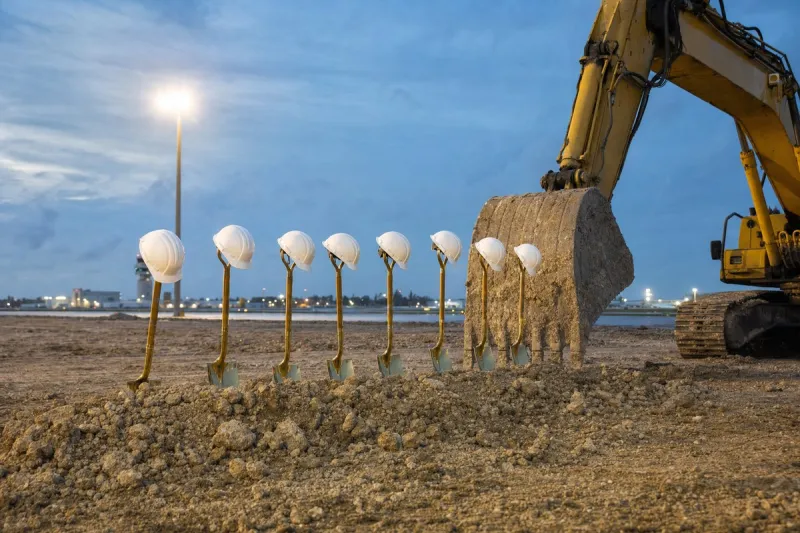
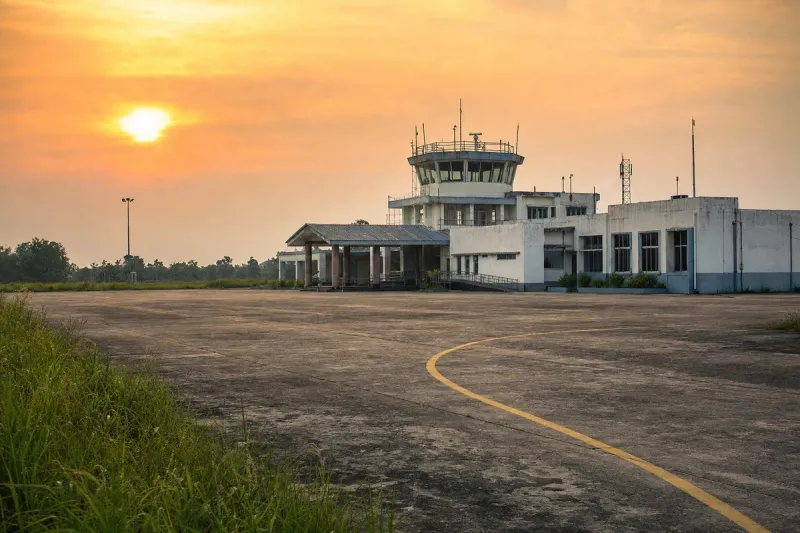
Much of the increase stems from the Aspen-Pitkin County Airport, which is slated for major redevelopment in 2027 with an April-to-November closure. Plans include construction of a new, wider runway, which requires the eight-month shutdown, as well as enabling work to begin a new terminal that will take several years to complete while the existing terminal continues to operate. The current estimated cost of the airport project is $677 million, of which the county expects to spend about $186 million in 2027, according to Silbernagel's budget message.
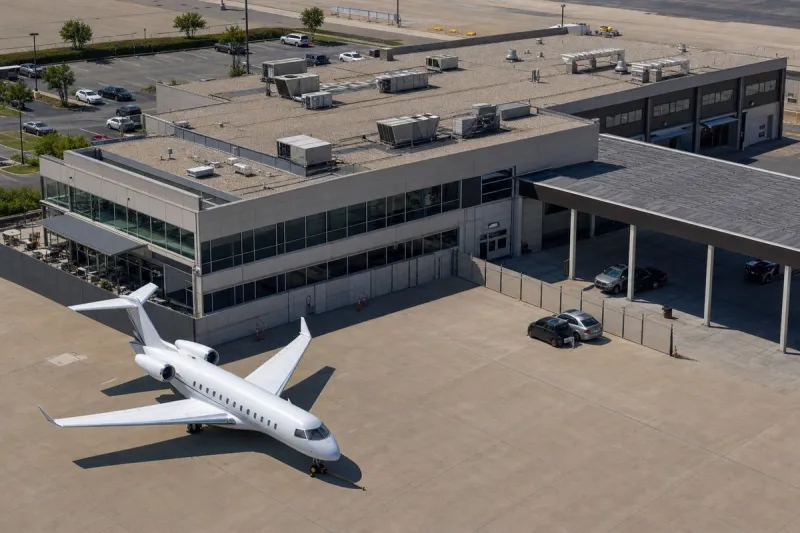
The current terminal cost estimate is about $230 million against a $191 million budget. A memo from airport planners and county staff states that the county cannot afford the full $230 million and that the project team plans to work within the budget available. The Board of County Commissioners and the Airport Advisory Board are due to meet with the terminal design team on Thursday to discuss a cost-effective opening-day program that still accommodates future phases of a master plan design.
Other major items include about $29 million for construction of a scalehouse campus at the Pitkin County Solid Waste Center as part of a broader landfill expansion and modernization effort, and $12 million for wastewater treatment, water treatment, wells and water storage infrastructure at the Phillips Mobile Home Park. Of that $12 million, $5.8 million comes from the housing impact fee fund and $6.2 million from the housing-focused property tax fund.
The airport closure is expected to affect tourism and sales tax revenue. The county forecasts an overall 2.6% decline in sales tax revenue for 2027 compared with 2026, assuming a strong first quarter, 10% year-over-year declines from April through November and a modest increase in December. Sales tax could rebound by 8% in 2028. Budget Director Connie Baker said August sales tax numbers came in down after increases in June and July. General fund expenses are proposed to rise just 0.8% to $62.8 million, and staffing stays at about 420 full-time equivalent positions.
Industry impact & what to watch
Airport redevelopment at a destination airport rarely happens without a cost to the surrounding economy, and this budget puts numbers on that trade. A runway that cannot be built while aircraft keep operating forces a full closure, and the county's own forecast ties that closure to a 2.6% sales tax decline in 2027 and a possible 8% rebound in 2028. For a resort community, the airport is both an infrastructure asset and a revenue input, so the build schedule is also a fiscal event.
The terminal gap shows the second pressure on projects of this kind: scope is being fitted to money after the estimate has already come in above budget. A $230 million estimate against a $191 million budget leaves a $39 million difference that the project team says it will close by working within available funds. Phased master plans exist for this reason, and the opening-day program under discussion is where that trade-off will be made visible.
The milestone to follow is Thursday's joint meeting of the commissioners and the Airport Advisory Board with the terminal design team, where the cost-effective opening-day program is on the agenda. Whatever scope emerges from that meeting sets how much of the terminal is built at opening and how much is left for later phases.