Eve Air Mobility CEO: Battery-Electric Eve-100 Targeted for Certification by End of 2028, Liquidity Above $500 Million
Why It MattersEve's bet on battery-only, short-hop urban routes tests whether the eVTOL segment can fund itself through certification without hybrid or defense side markets, with consolidation expected to leave only a few survivors.
What happened
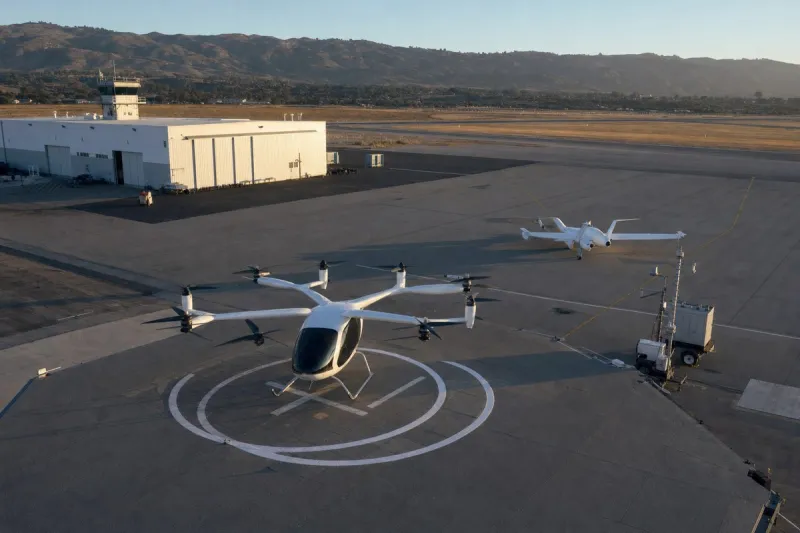
Embraer-backed Eve Air Mobility is staying with battery-electric urban air taxis while other electric vertical-takeoff-and-landing developers move toward hybrid propulsion, defense and other markets. The Brazilian company is targeting certification of its four-passenger Eve-100 by the end of 2028. Its remotely piloted, full-scale, fully carbon-fiber engineering demonstrator has logged 72 flights. CEO Johann Bordais discussed the plans with Aviation Week editors.
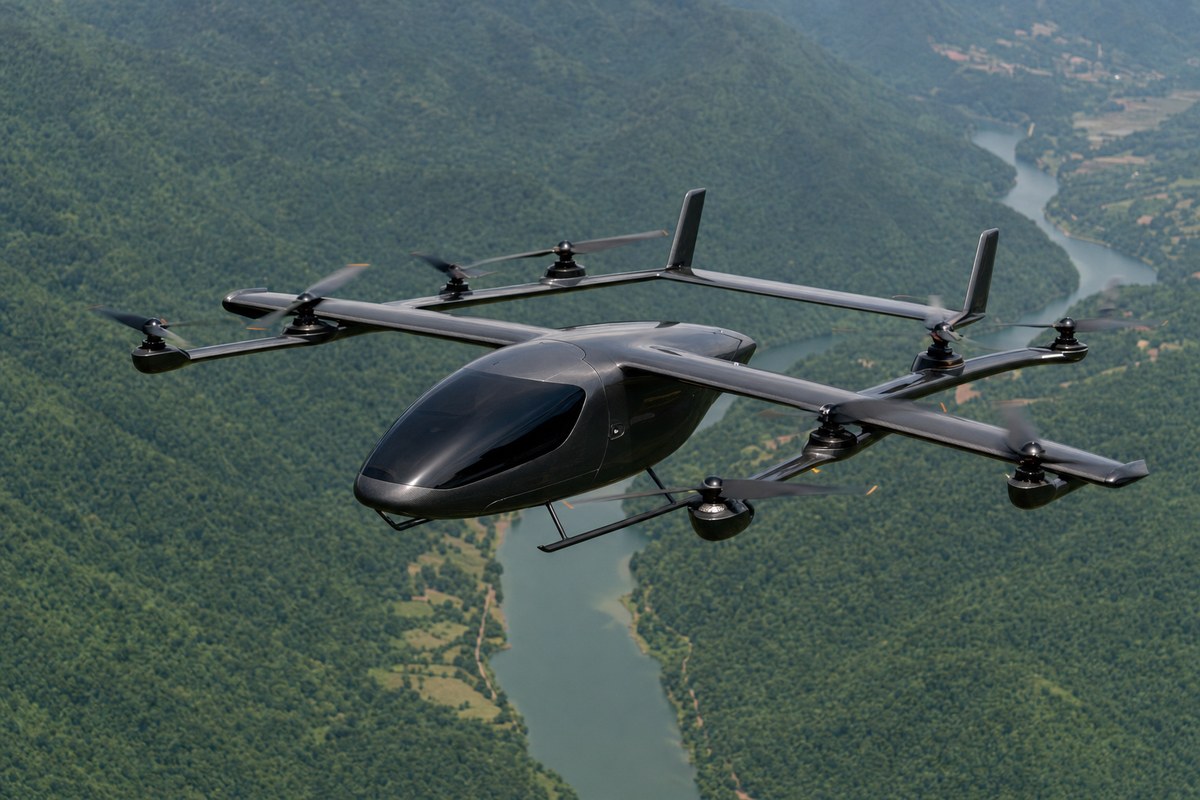
On the flight-test roadmap, Bordais said the hover phase was completed in April and the program is now working through transition, increasing the speed envelope from 30 kt., the point at which the lifters are turned off and the aircraft becomes wingborne. He said that step could happen by the end of this year. Eve is working with approximately 25 suppliers on critical design reviews, some of them completed and with parts already on hand. Assembly of the first conforming prototype is to begin by year-end, and it is to fly with a pilot by the end of next year. Six conforming prototypes are planned for certification.
Bordais said Eve is sticking with battery-electric urban air mobility because that is what customers want, citing quieter operation and lower operating costs. He said 99% of customers' routes are 30–40 km (18–25 mi.), while the aircraft has a maximum range of about 80–85 km. Eve chose a lift-and-cruise configuration over tiltrotors for certification and operating-cost reasons.
On production, Eve is building a modular factory in Taubaté, Brazil, with eventual capacity of 480 aircraft a year. The first module has a maximum capacity of 120 aircraft a year. Bordais cited initial output of 40–60 aircraft annually, rising to 100, which he described as the break-even point. Once 480 is reached, the company would discuss another factory.
On finances, Bordais said Eve postponed entry into service to ensure the vehicle has the right performance, and that a program of synergies with Embraer this year extended its cash runway. He said liquidity of over $500 million will be enough until certification. He also expects industry consolidation to continue and forecast that two to three eVTOL manufacturers will reach certification by the end of the decade. Eve does not prioritize being first, he said, though it might happen because of its discipline and execution.
Industry impact & what to watch
Eve's position illustrates a split in how eVTOL developers are managing the long gap between first flight and revenue. Some rivals are widening their addressable markets with hybrid propulsion and defense work; Eve is narrowing to a single use case, short urban hops where, by Bordais's account, nearly all customer routes sit well inside the aircraft's range. The wager is that a simpler, quieter, cheaper-to-operate product certifies and sells better than a flexible one, and that a parent company's engineering and supplier base can substitute for a diversified business line.
The economics behind that choice are visible in the production figures. A factory module sized for 120 aircraft a year, with break-even cited at 100, means profitability depends on sustained orders at a rate the segment has not yet demonstrated for any certified eVTOL. That is why the cash position matters as much as the flight-test progress: liquidity stated to cover the period until certification is the constraint that decides whether a developer reaches the market at all, and it is consistent with the consolidation Bordais expects.
The next checkable milestones are the ones the company itself named: the transition phase beyond 30 kt. possibly by the end of this year, the start of conforming-prototype assembly by year-end, and the first piloted flight of that prototype by the end of next year.