Signature Aviation to Step Up FBO, Hangar and Ramp Projects in 2027 After $3.6 Billion Invested Since 2021
Why It MattersA rising 2027 build slate after $3.6 billion of spending shows FBO networks growing through hangars, ramps and larger-aircraft facilities as private jet utilization and OEM backlogs climb.
What happened
Signature Aviation plans a larger slate of FBO, hangar and ramp projects for 2027 as it continues expanding and modernizing its global fixed-base operator network. Chief Commercial Officer Derek DeCross said the company has invested roughly $3.6 billion since 2021 in infrastructure, safety and technology initiatives, including new and renovated terminals, hangars, ramps and offices across more than 200 private terminal and FBO locations worldwide.
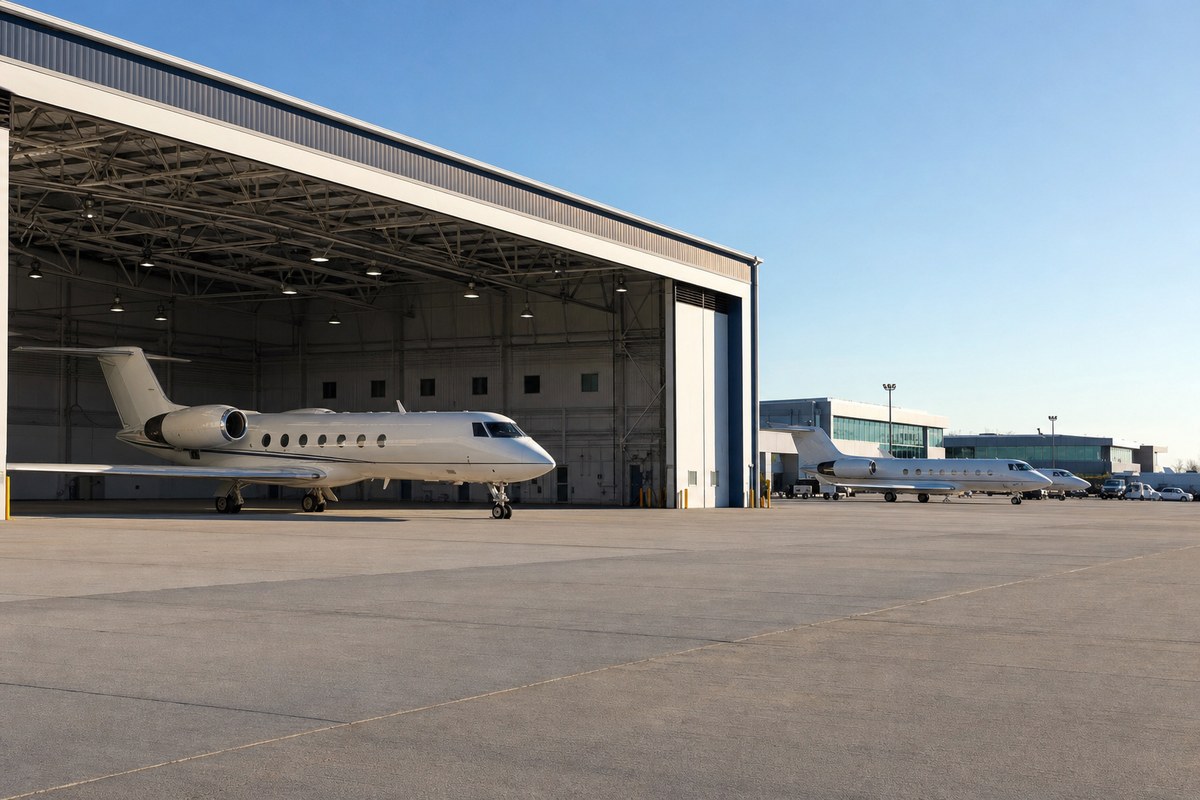
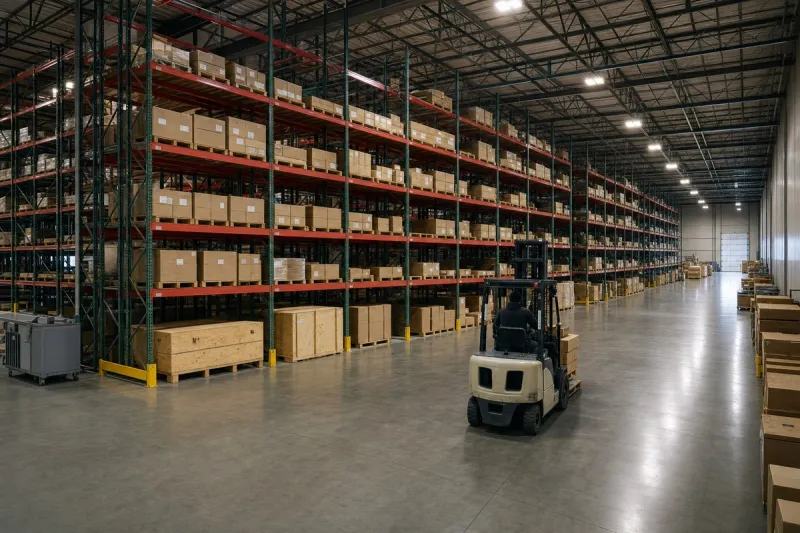
For 2026, Signature expects to complete six new or heavily renovated FBOs, 11 hangars, five offices, four temporary FBO facilities, one charter terminal and nine ramp projects. The 2027 plan lists 10 new or substantially renovated FBOs, 12 hangars, five offices, three temporary FBOs and 17 new or renovated ramps. Smaller refreshes, such as paint and carpeting, are planned for 14 FBOs in 2026 and 15 in 2027.
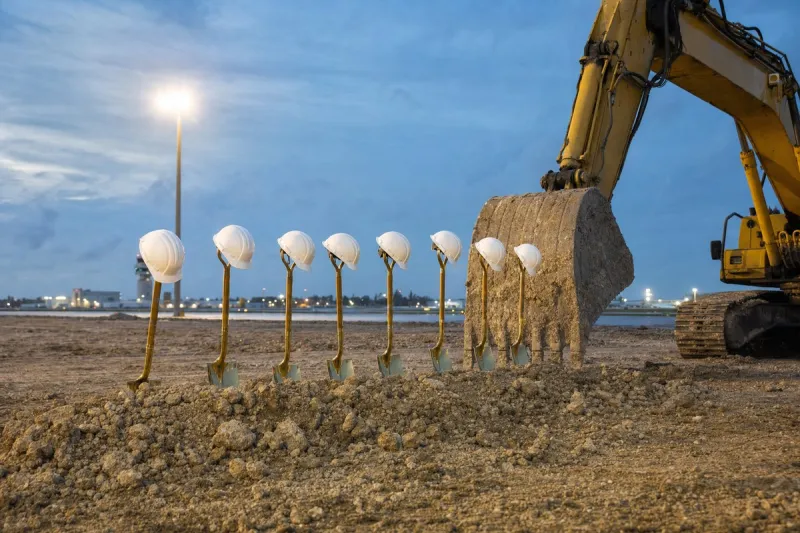
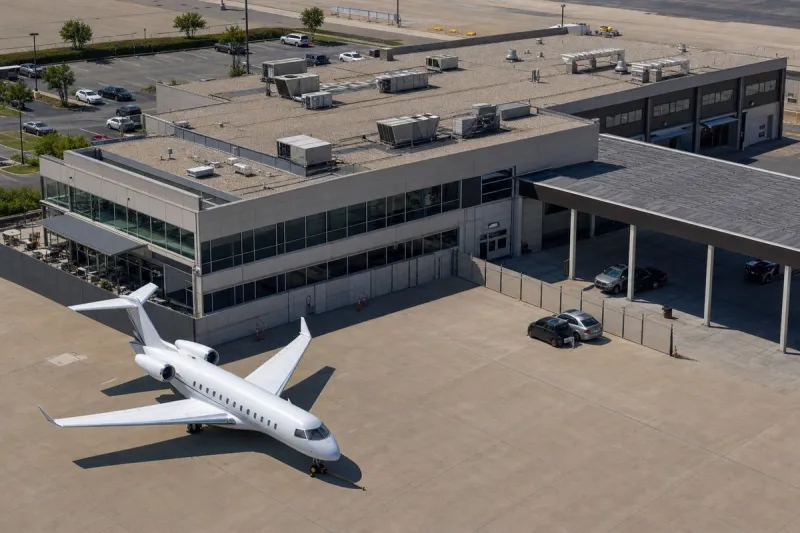
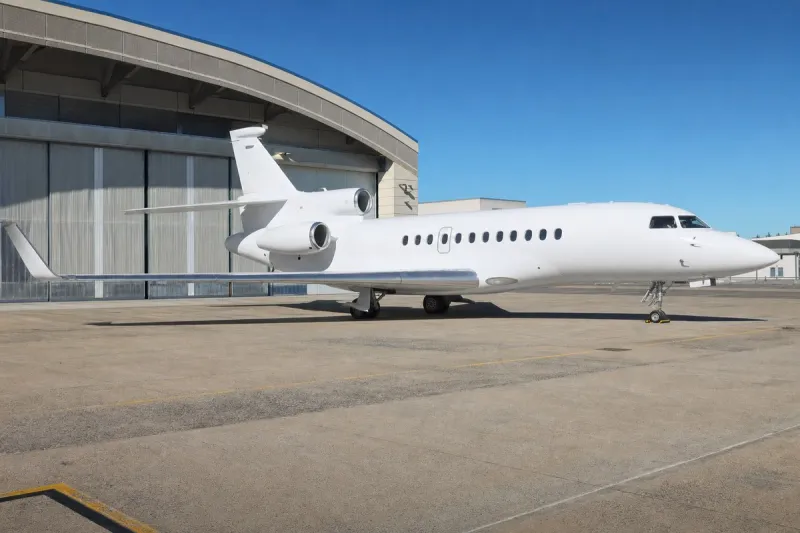
Expansion combines investment in existing sites, greenfield development and acquisitions. Signature recently acquired the former Castle & Cooke Aviation FBO at Van Nuys Airport, giving it three locations there. A new terminal opened in Glasgow, Scotland, in March, and a new facility at Guanacaste Airport in Liberia, Costa Rica, is expected early next year. A hangar at Roanoke-Blacksburg Regional Airport, Virginia, is designed for newer large-cabin aircraft, and another major investment is under way at the company's FBO at Eagle County Regional.
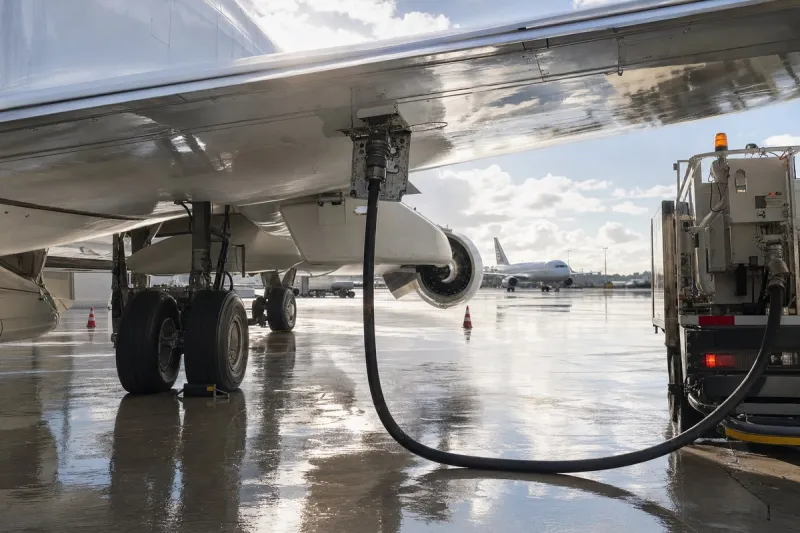
DeCross said demand remains resilient and that Signature has not seen a significant impact from higher fuel costs, though it continues to monitor the supply chain. He cited higher aircraft deliveries, growing OEM backlogs, increased utilization and customers upgrading to larger jets.
FIFA traffic and the AI push
Across 37 Signature bases analyzed during FIFA-related events this year, the company recorded 45,786 general aviation operations, up 25% from the year-ago period. Bases supporting major matches averaged 106 operations per day, 38% higher than a year ago.
Signature is also exploring artificial intelligence for pricing, demand forecasting, infrastructure capacity, booking and customer targeting. DeCross said the aim is to free team members from routine administrative tasks so they can focus on guests.
Past time-and-motion studies show the average customer spends just 3 minutes inside its terminals, which DeCross said shapes where the company invests.
Industry impact & what to watch
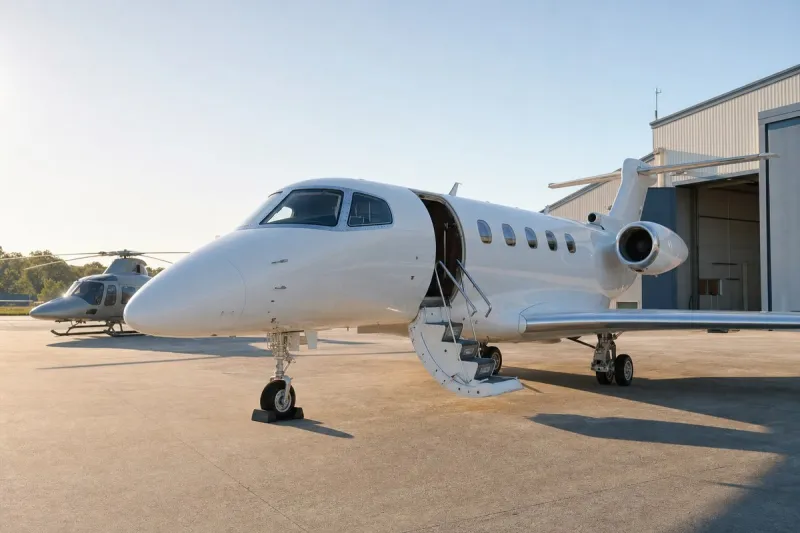
FBO capital spending in business aviation is following the aircraft rather than the lobby. Hangars sized for large-cabin jets, new ramps and temporary facilities all respond to heavier, longer aircraft and higher utilization, and the 2027 slate of 12 hangars and 17 ramp projects is weighted toward that physical capacity. The 3-minute average terminal stay quoted by DeCross points the same way: the guest-facing building matters less to how an FBO earns its position than the airside space and service around the aircraft.
The event-driven traffic figures illustrate how concentrated demand can be. Bases supporting major FIFA matches averaged 106 operations per day, and an FBO network with sites spread across many airports can absorb that kind of surge better than a single-location operator. Networks of this size also use acquisitions such as the Van Nuys purchase to add capacity at airports where demand already exists, alongside greenfield builds.
The next concrete milestones are the Guanacaste facility expected early next year and the delivery of the 2026 projects, which will show how much of the announced schedule is completed on time. The AI work remains at the exploration stage, so its effect on pricing and booking will only be visible once specific tools are put into use.