ATR Delivers First of Two Leased ATR 72-600s to Cabo Verde Carrier CVsky
Why It MattersIsland networks with short runways and sea crossings of hours show why turboprops anchor domestic connectivity, and a young ACMI-started carrier adding leased capacity shows how such airlines scale before owning aircraft.
What happened
ATR has delivered a new ATR 72-600 to CVsky, which operates under the Linhas Aéreas de Cabo Verde (LACV) brand and flies domestic routes across the Cabo Verde archipelago. It is the first of two ATR 72-600s that will join the airline's fleet under a lease agreement, and it will operate alongside the two ATRs already in service.
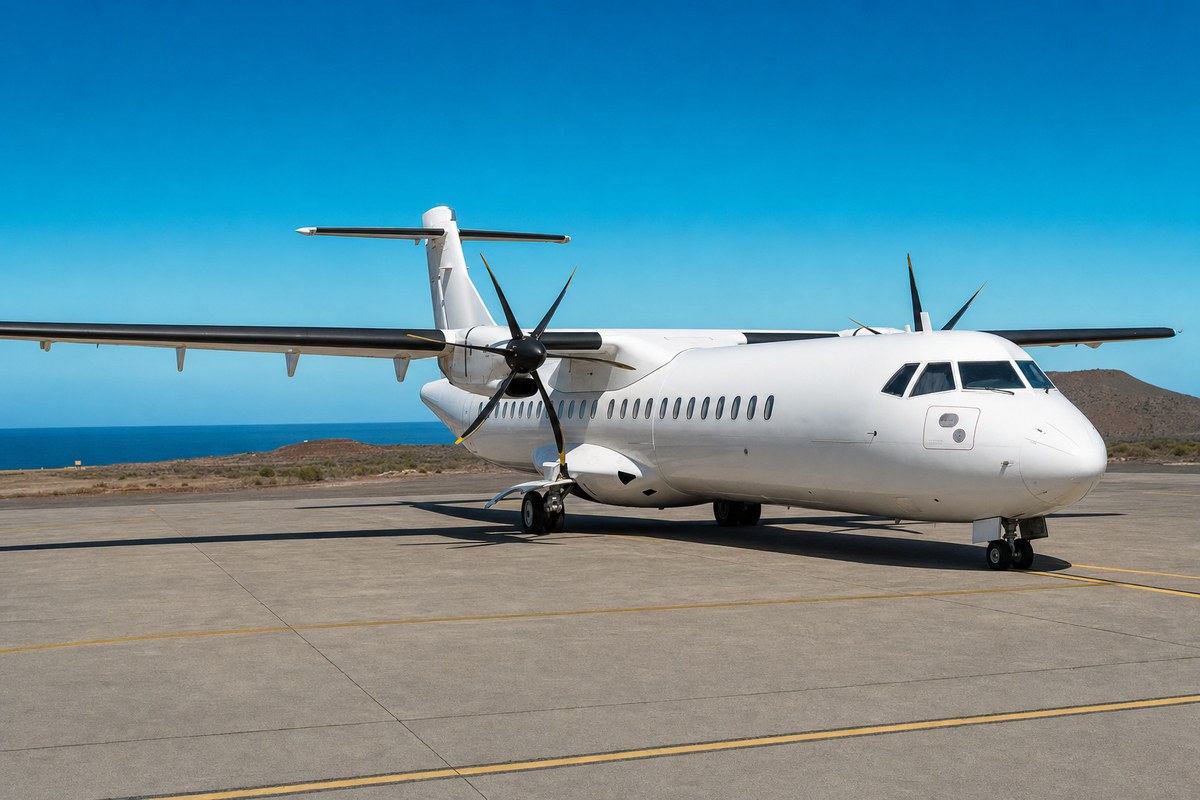
CVsky was founded in 2024 and is based in Praia, on the island of Santiago. It began operating in 2025 under an ACMI (Aircraft, Crew, Maintenance and Insurance) model, leasing both aircraft and operational services, before launching its own operations in the IATA Summer 2026 season.
The airline aims to improve links to Praia from islands such as São Vicente and São Nicolau and to better serve destinations that commercial aviation has historically served less. A planned Sal–Fogo route is intended to give residents new travel options and spread tourist flows more evenly. The new aircraft are expected to allow more frequent flights, new routes, more convenient schedules and improved inter-island connections.
The Cabo Verde context
Cabo Verde has three aerodromes and four airports, and air transport is vital to mobility and economic development. On the Praia–Sal route, a sea crossing can take up to about seven hours, while an ATR flight covers the distance in about 40 minutes. The average flight in the domestic network lasts 36 minutes.
Tourism accounts for about 25% of Cabo Verde's direct GDP. ATR aircraft have flown in Cabo Verde for more than three decades; the first ATR 42-320 arrived in November 1994.
Runway limits
The ATR 72-600 can operate from short runways, including Maio (1,200 m), São Nicolau (1,400 m) and Fogo (1,500 m). Those three strips are the ones named for the type's short-field capability on this network.
Industry impact & what to watch
Island archipelagos with short runways and sea crossings measured in hours are a natural home for turboprops: the 40-minute flight against a crossing of up to about seven hours on Praia–Sal is the economic case for the aircraft type in this kind of network. Runway length decides which aircraft can serve an island at all, so the 1,200 m to 1,500 m strips named here set the practical ceiling on what a domestic fleet can look like.
CVsky's path, from an ACMI start in 2025 to its own operations in the IATA Summer 2026 season and now leased aircraft of its own, illustrates how a young regional carrier can scale capacity without buying aircraft outright. Leasing keeps the capital requirement low while the route network and demand are still being proven.
The next concrete milestone is the delivery of the second leased ATR 72-600, which would complete the two-aircraft lease. The Sal–Fogo route is the named test of whether added capacity translates into the more even spread of tourist flows the airline is aiming for.