Missile Strike on Riyadh Airport and FAA Saudi NOTAM Reshape Gulf Risk Picture; Record El Nino Looms for Winter Planning
Why It MattersLayered conflict-zone bulletins, intermittent Gulf closures and a possible strong El Nino show that route and fuel planning for long-range missions now turns on rolling advisories with fixed expiry dates.
What happened
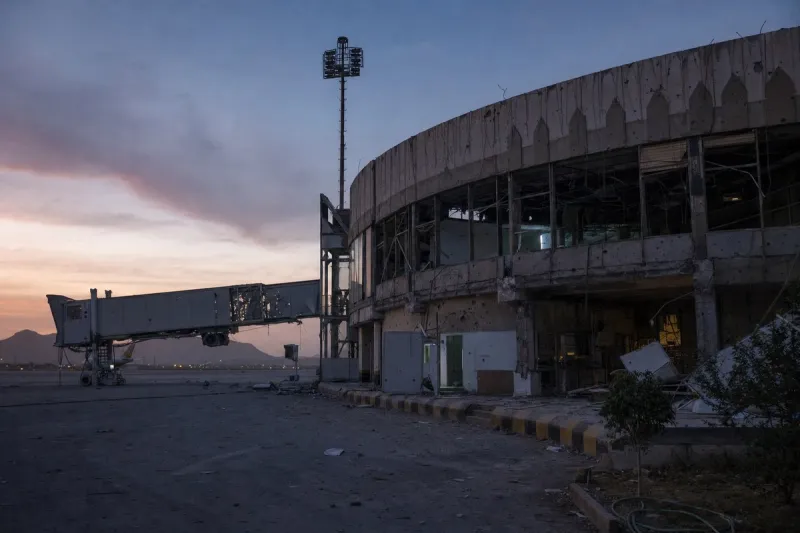
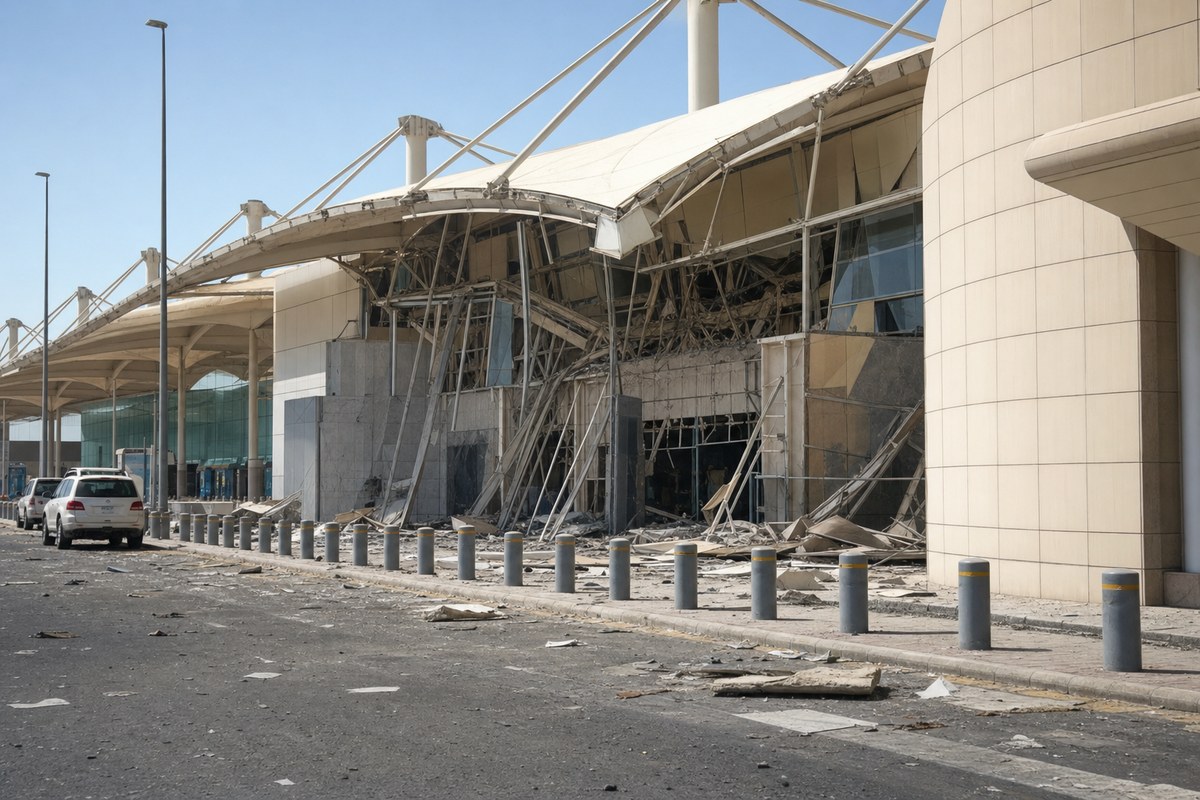
A Houthi missile strike on Riyadh's King Khalid International Airport killed at least 12 people and injured more than 300. Saudi authorities suspended flights at the affected airport for a period after further strikes, which followed attacks on October 10 and 11.
The FAA has issued a Notice to Airmen running to December 10 that urges US operators to exercise caution when flying to or over Saudi Arabia. It cites military activity and navigation system interference, and describes a risk to aircraft at all altitudes, including overflight, arrival and departure.
Scheduled operations show the disruption. Roughly 35 percent of scheduled Saudi departures were cancelled or marked no-fly on October 12. On October 13, cancellation rates reached about 18 percent at Jeddah and about 29 percent at Dammam.
Airlines have reshaped their Gulf schedules. Etihad has cancelled selected Riyadh, Jeddah and Dammam services to October 19. flydubai has suspended Riyadh flying and cancelled Dammam rotations, and Qatar Airways has suspended Riyadh and Dammam services. Emirates has cut multiple frequencies, including a Medina service, and Delta has deferred its Saudi launch to March 2027.
Airspace status around the region
EASA conflict zone bulletins advise avoiding Iran and Iraq at all altitudes, and that advice is now extended to November 16. Separate bulletins cover Syria and Yemen; the Syria bulletin was revised on October 1 to permit operations above FL260 in parts of the Damascus FIR.
For Israel, an information note advises EU operators to stay out of the western and south-western part of the FIR at any altitude and to remain above FL260 elsewhere. Qatar remains open for overflight and landing, with flow restrictions toward Oman and persistent GPS interference.
Traffic is already displaced via Central Asia and the Caucasus, or over the Gulf states and northern Saudi Arabia. One long-haul operator reinstated a Singapore refuelling stop on a Perth-London service to avoid the conflict zone. Israel also introduced restrictions on October 7 barring flight and cabin crew holding nationalities of states without diplomatic relations, covering 29 to 31 countries.
El Nino outlook
Forecasters put the probability of a historically strong El Nino late this year at 83 percent. Nino-3.4 anomalies are projected near plus 3.7 degrees Celsius for October to December, with persistence through February 2027.
Such events typically suppress Atlantic hurricane activity and boost parts of the Pacific. Disruption has already been reported in East Africa and Asia-Pacific, along with fires in Indonesia.
Industry impact & what to watch
The picture for long-range business aviation is one of stacked, time-limited advisories rather than a single closed corridor. A US notice to December 10, EASA bulletins to November 16 and a revised Syria ceiling each carry their own expiry, so a routing that is legal and sensible on one date can need rework a few weeks later. Europe-Southeast Asia and Europe-Australia missions are the most exposed, because a planned fuel stop adds block time and erodes duty-time margins.
The Gulf adds a second pressure: airline schedule cuts and a Saudi airport hit directly mean that Gulf airports and the airspace around them cannot be treated as a dependable fallback. Verifying routing, fuel-stop options, crew nationality rules and navigation-interference exposure together is the workable test, since each of the three can independently stop a trip.
The weather read is slower-moving but points the same way: a strong El Nino shifts storm and fire risk toward the Pacific and Asia-Pacific while easing Atlantic hurricane pressure, which changes seasonal contingency planning for those regions.
Three dated items would update this picture: whether the EASA Iran and Iraq bulletins are extended beyond November 16, whether the FAA Saudi notice is amended before December 10, and whether further strikes hit Saudi airports.