flydubai Suspends Tel Aviv Flights Through October as Israeli Carriers Remain Barred From UAE, Stranding Travelers
Why It MattersDirect Israel–UAE air access now depends on a single foreign carrier and on unresolved security talks, showing how fast a route with heavy transfer demand can collapse into costly European detours.
What happened
flydubai has suspended all direct flights between Dubai and Tel Aviv at least through October 31. Israeli airlines are currently not permitted to fly to the UAE, which leaves Israeli travelers stranded in Dubai with few ways home. The carrier canceled all Tel Aviv services pending an ongoing investigation and at the recommendation of Israeli authorities, following a September 30 attempted terror attack by an Omani copilot aboard a flydubai flight en route to Ben Gurion Airport.
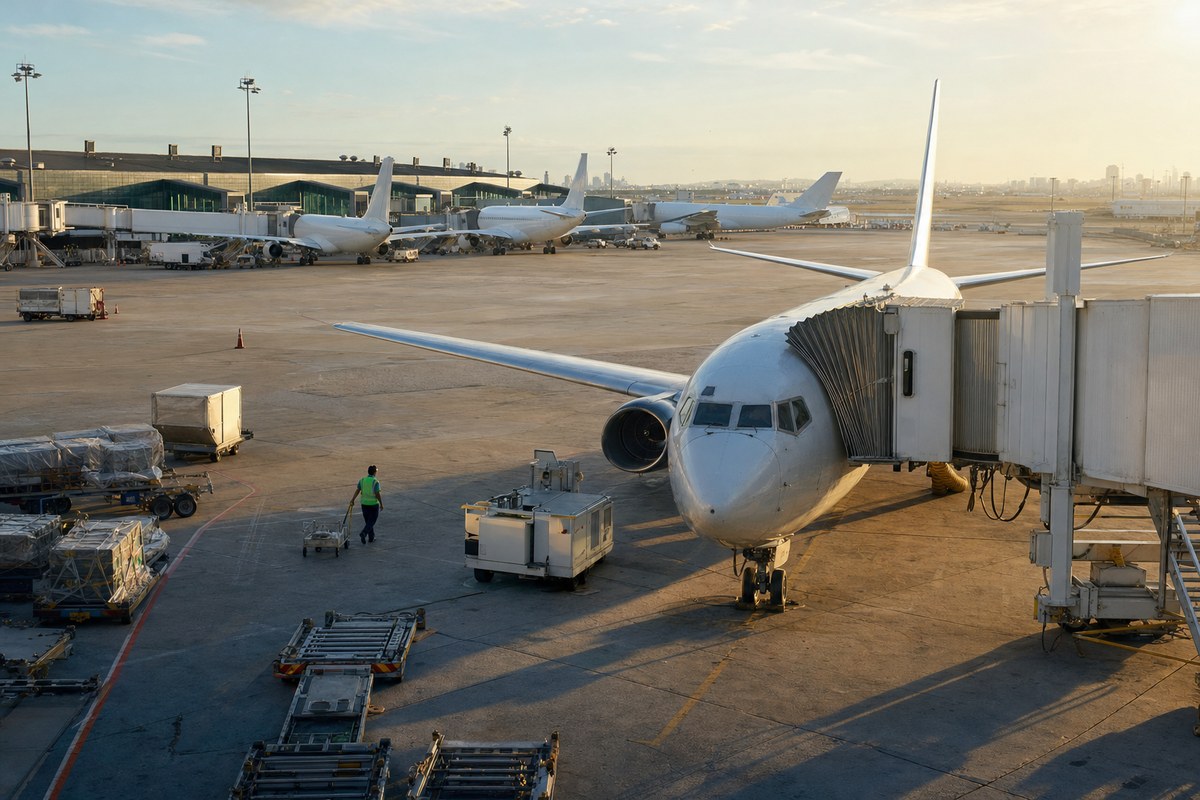
Special repatriation flights from Dubai to Tel Aviv operated by El Al, Arkia and Israir were halted abruptly on Wednesday after a fallout with Emirati authorities over security procedures, including baggage screening and the stationing of security personnel at Dubai airport. An Israeli delegation led by senior Transportation Ministry officials and including Shin Bet security officials was meant to travel to the UAE to negotiate a new security arrangement. As of Sunday it had not departed, because there were no initial understandings on the framework.
The Transportation Ministry said on Tuesday that more than 7,415 Israeli passengers had returned to Tel Aviv from Dubai, on special flights by Israeli airlines and on commercial Etihad Airways flights via Abu Dhabi. Etihad operates daily Tel Aviv–Abu Dhabi flights, currently the only direct air route from Israel to the UAE. Ziontours Jerusalem CEO Mark Feldman said Israelis must book alternative routes, mostly via European cities, at higher cost than their original tickets. He added that several thousand people booked to fly from Tel Aviv via Dubai over the next two and a half months are asking what happens to their tickets.
The UAE accounted for 1.5 million passengers, or 8.3 percent of Ben Gurion Airport traffic in 2025, behind only Greece and the United States. Israeli security authorities, led by the Shin Bet, halted Israeli airlines' flights to the UAE in late February at the outset of the US-Israel war with Iran. Even so, 837,000 passengers, or 7.5 percent of Ben Gurion's total, flew there in the first eight months of 2026, half of them on flydubai. Israeli Aviation Authority data show more than 75,000 Israelis flew with flydubai through Ben Gurion in September.
Industry impact & what to watch
The case shows how much a single bilateral corridor can rest on one security arrangement. Even with Israeli carriers barred since late February, the UAE remained the third-largest destination market at Ben Gurion in 2025, and half of the 2026 traffic flew on flydubai. When that one carrier stops, the passengers do not disappear: they reroute, mostly through European hubs, at higher fares, and ticketing questions follow for anyone holding itineraries that connect through Dubai.
It also shows that security procedures at the destination airport, such as baggage screening and where security personnel stand, can decide whether charter-style repatriation capacity operates at all. The halt of the El Al, Arkia and Israir flights came from a dispute over those procedures, not from demand.
The next milestone is whether the Israeli delegation actually travels to the UAE and whether a security framework emerges from it. The flydubai suspension runs at least through October 31, so any extension or restart date announced around that point would be the clearest sign of where the corridor is heading.