EASA Rates Iraq Airspace High Risk at All Altitudes, Extends CZIB-2026-05 Validity to 16 November 2026
Why It MattersAll-altitude conflict-zone advisories push carriers onto longer reroutes for months at a time, turning airspace risk assessment into a recurring block-time and fuel-planning cost rather than a one-off diversion.
What happened
EASA has extended its conflict-zone information bulletin CZIB-2026-05-R2, covering Baghdad FIR (ICAO: ORBB), with a validity date of 16 November 2026. The bulletin was first issued on 8 July 2026 and was revised for the second time on 30 September 2026, with EASA stating that the R2 revision made no changes to the content or recommendations.

EASA recommends that operators do not operate within Iraqi airspace — FIR Baghdad — at any altitude or flight level, and that they closely monitor airspace developments in the region, including closures and restrictions issued by state authorities. The bulletin is a recommendation rather than a mandatory closure: Iraq's own airspace remains open to traffic permitted by Iraqi authorities, and non-European carriers make their own risk assessments. EASA bulletins apply to operators regulated under EU rules and to third-country operators flying to, from, and within the EU under an EASA authorisation.
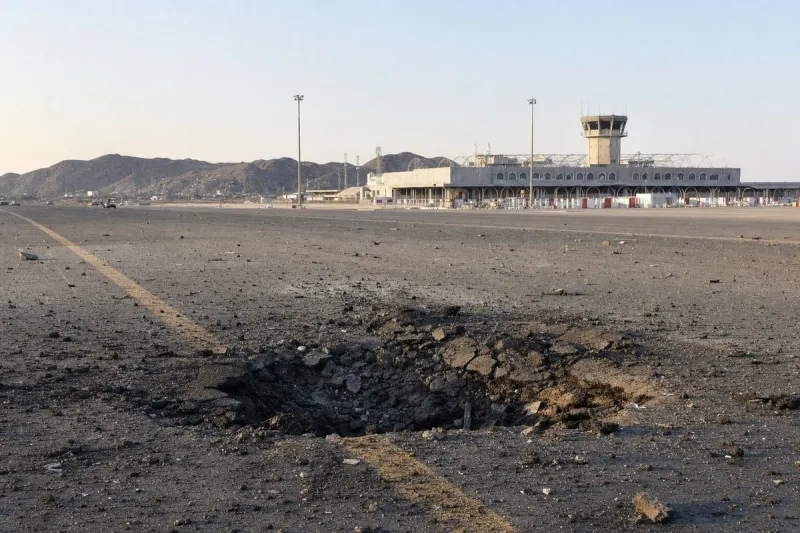
EASA traces the elevated risk to the military conflict that followed strikes on Iranian territory by the United States and Israel on 28 February 2026 and subsequent Iranian retaliatory attacks. Despite a temporary ceasefire between the United States and Iran, EASA states that Iraqi airspace continues to be affected by conflict-related risks, citing recurrent Iranian drone and ballistic missile attacks, the activation of air defence systems under operational pressure, and the continued presence and operations of violent non-state actors. European network carriers have routed around Iraqi airspace throughout 2026, adding 30 to 90 minutes of block time on routes between Europe and India or the Gulf, using northern arcs over Türkiye, Georgia, Azerbaijan and the Caspian, or southern diversions via Egypt and the Red Sea.
Why the bulletin covers all altitudes
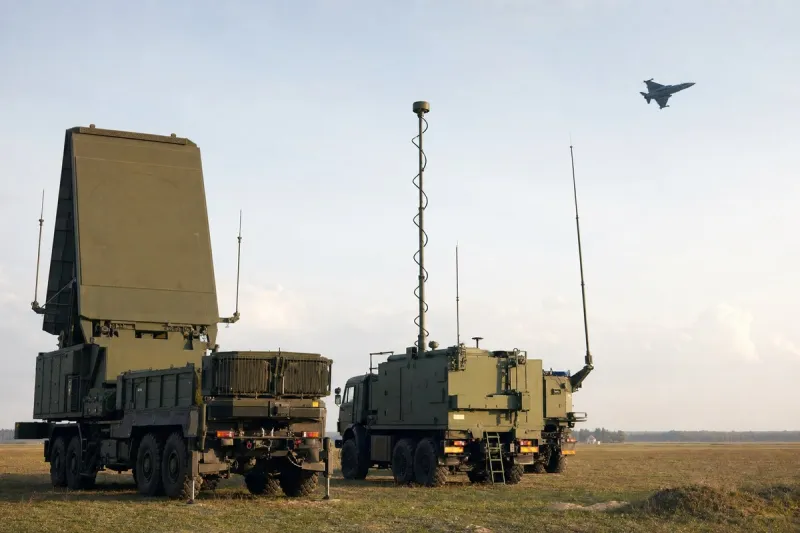
Unlike many conflict-zone advisories that apply only below a certain flight level, CZIB-2026-05-R2 covers all altitudes. EASA explains this by noting that ballistic missiles and interceptors transit cruising altitudes, and that air defence systems under pressure risk misidentifying civilian aircraft.
EASA also notes that while Iraqi authorities implemented temporary airspace closures and restrictions during the conflict, the unpredictable nature of Iranian ballistic missile and drone attacks means timely and effective implementation of such measures cannot be relied upon. The bulletin adds that Iraq's ability to ensure effective control over its airspace is constrained by limited coordination mechanisms and a fragmented security environment.
Industry impact & what to watch
This extension belongs to the broader category of conflict-zone bulletins that regulators issue and then repeatedly roll forward as long as the underlying military situation stays unresolved, rather than letting them lapse on a fixed schedule. Each extension resets planning assumptions for dispatch and network teams without necessarily reflecting any change on the ground, since EASA itself said the R2 revision altered nothing in content or recommendation.
For carriers operating under EASA authorisation, the all-altitude scope removes the option of threading cruise-level traffic over Baghdad FIR while avoiding lower-level risk, which is how some conflict-zone routings are managed elsewhere. That forces continued use of the northern and southern diversions already in place, with the associated 30-to-90-minute block-time cost on Europe-India and Europe-Gulf routings persisting for as long as the bulletin stands.
The 16 November 2026 date is a review point, not a scheduled lifting, so the next signal to watch is whether EASA revises or lets the bulletin lapse at that review, and whether Iraqi authorities' own airspace management shows any change in the coordination gaps the bulletin cites.