Iraqi Airspace Closure, Gulf Territorial-Waters Warnings and Record El Niño Reshape October Aviation Risk Picture
Why It MattersFragmented Gulf airspace and scheduled-capacity cuts widen the gap between passenger demand and available seats, a gap that typically channels unmet travel into charter and fractional markets.
What happened
Iraqi airspace is effectively closed, forcing longer routings and technical refuelling stops for aircraft that previously transited it. EUROCONTROL counted 56 percent fewer flights between Europe and the Gulf region on March 31, 2026. Dubai handled 31.5 million passengers in the first half of the year, down 31.3 percent year-on-year, with aircraft movements down 32.1 percent. Russian airspace remains closed to Western operators, removing the northern alternative.

The European Union Aviation Safety Agency has issued an advisory covering all flight levels within specified navigation points in the Jeddah Flight Information Region, running to November 16, 2026, following a marked increase in Houthi attacks reaching Riyadh, Tabuk and Yanbu. Cited hazards include misidentification, overflight exposure, interception activity and falling debris. EASA has extended warnings over Lebanon, Iran and Iraq to the same date, and revised bulletins now focus Gulf-states caution on territorial waters instead of entire national airspaces.
Yemen's Saudi-backed forces have launched a major offensive against the Houthis. Saudi Arabia, Pakistan and Turkey agreed on Monday through the Mecca Defence Alliance to activate collective deterrence and deploy military forces into Saudi Arabia. CENTCOM reports 130 ships redirected under the Iran blockade with 13 destroyed, and the United States has withdrawn bombers from RAF Fairford over an alleged Iranian plot.
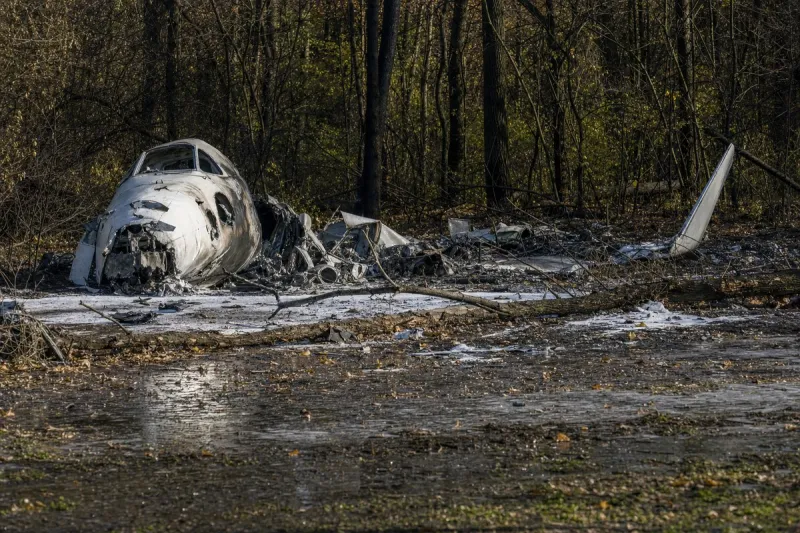
The September 30 FlyDubai incident, in which an Omani co-pilot on a Dubai–Tel Aviv service is accused of attacking the captain and attempting to seize the aircraft, forced a diversion and emergency landing in Saudi Arabia. Reporting indicates the co-pilot had previously been barred from flying over alleged extremist views. Israel received the crew list in advance and did not flag him; Australian authorities are examining his time in that country. Israel has described the gap as a loophole and is strengthening checks.
Scheduled capacity into the Gulf is recovering slowly and unevenly. British Airways resumes Dubai services on November 3 but has deferred Abu Dhabi resumption to winter 2027. Virgin Atlantic has deferred Dubai to winter 2027. The Incheon–Dubai route is suspended until further notice. Wizz Air's Amman services are suspended to October 25, with Abu Dhabi pushed to January 10, 2027. Singapore Airlines and Scoot have extended suspensions. UK–UAE services were otherwise operating normally as of October 1.
The World Meteorological Organization has confirmed El Niño is firmly established and expected to intensify into a very strong event, with near-certain continuation through February 2027; the Niño 3.4 index stood at plus 2.0°C in July. UNICEF estimates 347 million children in nearly 100 countries are in the exposure zone, with a 70 percent probability of unusually wet or dry conditions from October to December. Thailand has recorded 31 flood deaths since mid-September with more than 3.5 million people affected and Bangkok inundated; Indonesian wildfire smoke has crossed the Strait of Malacca, degrading air quality over Malaysia and Singapore; Tokyo logged a record 34-day rainy spell; Hurricane Rachel is intensifying in the Pacific; Vietnam faces an unusual cold-air outbreak; and Ecuador issued a red alert with the UK warning of flooding and landslides in Peru. Nepal has shifted from search-and-rescue to rehabilitation following the August 26 flood.
How it unfolded
Wizz Air's Abu Dhabi resumption is scheduled.
Virgin Atlantic and British Airways's deferred Abu Dhabi/Dubai resumptions are targeted.
EASA advisories covering the Jeddah FIR and Lebanon, Iran, Iraq and Gulf territorial-waters areas are due to lapse or be extended.
British Airways resumes Dubai services.
Wizz Air's Amman suspension is due to lapse.
Saudi Arabia, Pakistan and Turkey agreed to activate the Mecca Defence Alliance and deploy military forces into Saudi Arabia.
UK–UAE services were operating normally.
FlyDubai cockpit incident on a Dubai–Tel Aviv service forced a diversion and emergency landing in Saudi Arabia.
EUROCONTROL recorded 56 percent fewer flights between Europe and the Gulf region.
Industry impact & what to watch
This cluster of disruptions belongs to a familiar category: a conflict-driven airspace restriction, a security-driven crew-vetting tightening, and a weather system all landing on the same region in the same window, each compounding the other's effect on routing and scheduling. Charter and fractional operators absorb this kind of squeeze differently from scheduled carriers — they can reroute aircraft and requote trip cost around a closed FIR or an extended advisory far faster than an airline can rebuild a published schedule, which is why the gap between Gulf travel demand and scheduled seats tends to show up first as charter enquiry volume.
The EASA shift from blanket national-airspace cautions to a territorial-waters focus for the Gulf states is the detail worth tracking operationally: it narrows the area operators must plan around without lifting the underlying Jeddah FIR and Lebanon/Iran/Iraq advisories, so trip planning has to treat each zone on its own terms instead of writing off an entire country. Crew-vetting exposure is a separate track from the airspace question — Israel's acknowledged screening gap and the Australian inquiry into the co-pilot's history will shape whatever vetting standard gets codified next, and that standard will apply to crew scheduling industry-wide, not just to the carrier involved.
November 16, 2026 is the date that resolves several threads at once: whether the Jeddah FIR advisory and the Lebanon, Iran, Iraq and Gulf territorial-waters warnings lapse or get extended. War-risk premium movements tied to the Strait of Hormuz, any formal change to Iraqi airspace status, and El Niño's peak effects on Southeast Asia, the western Pacific and the Andean coast through year-end are the other markers worth holding against that date.