NTSB Preliminary Report: Aero Vodochody L39C Crashed After Departure From Mayfield Graves County Airport, Killing Pilot
Why It MattersA preliminary report fixes the sequence of events but not the cause, so for ex-military jets in private hands the wait for a probable-cause finding runs 12 to 24 months.
What happened
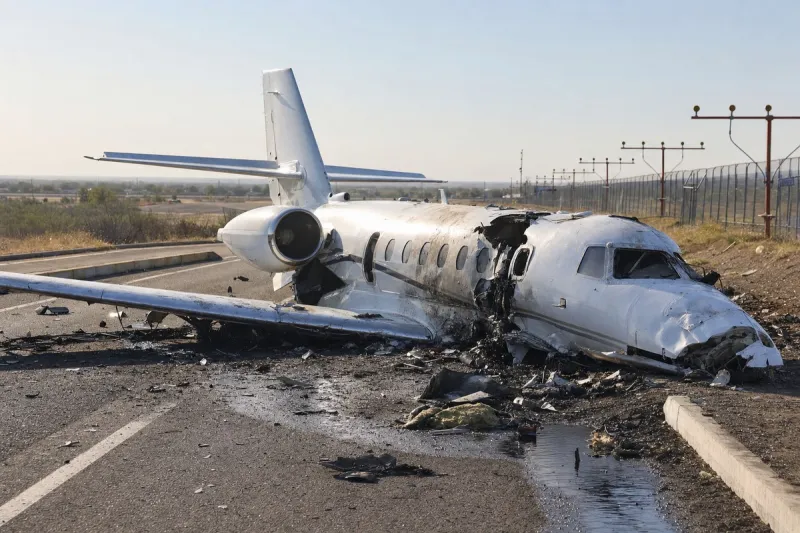
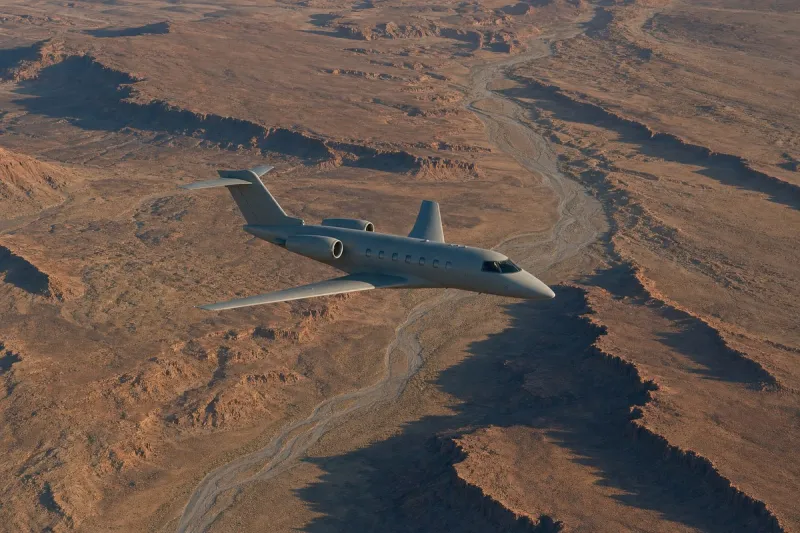
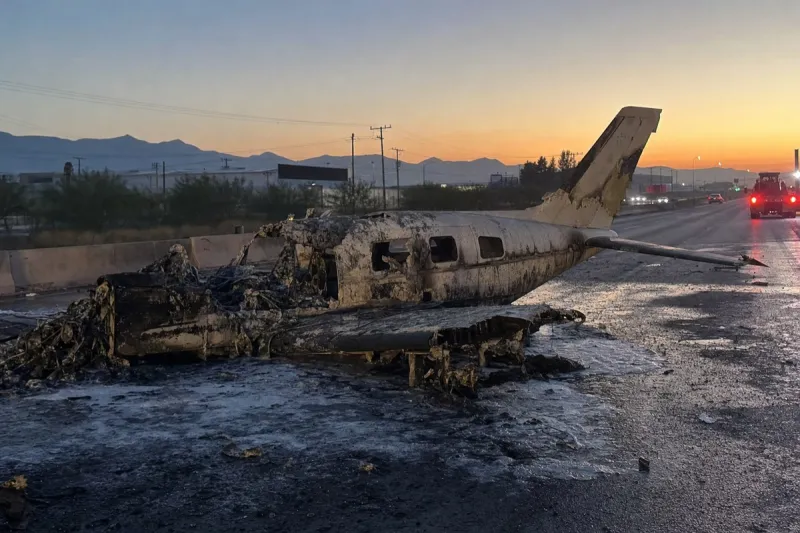
The National Transportation Safety Board has released a preliminary report on the Nov. 8 crash in Graves County. An Aero Vodochody L39C, registration N339NA, piloted by James Alan Michaels, crashed in a rural field after refueling at the Mayfield Graves County Airport. The aircraft was substantially damaged and Michaels died.
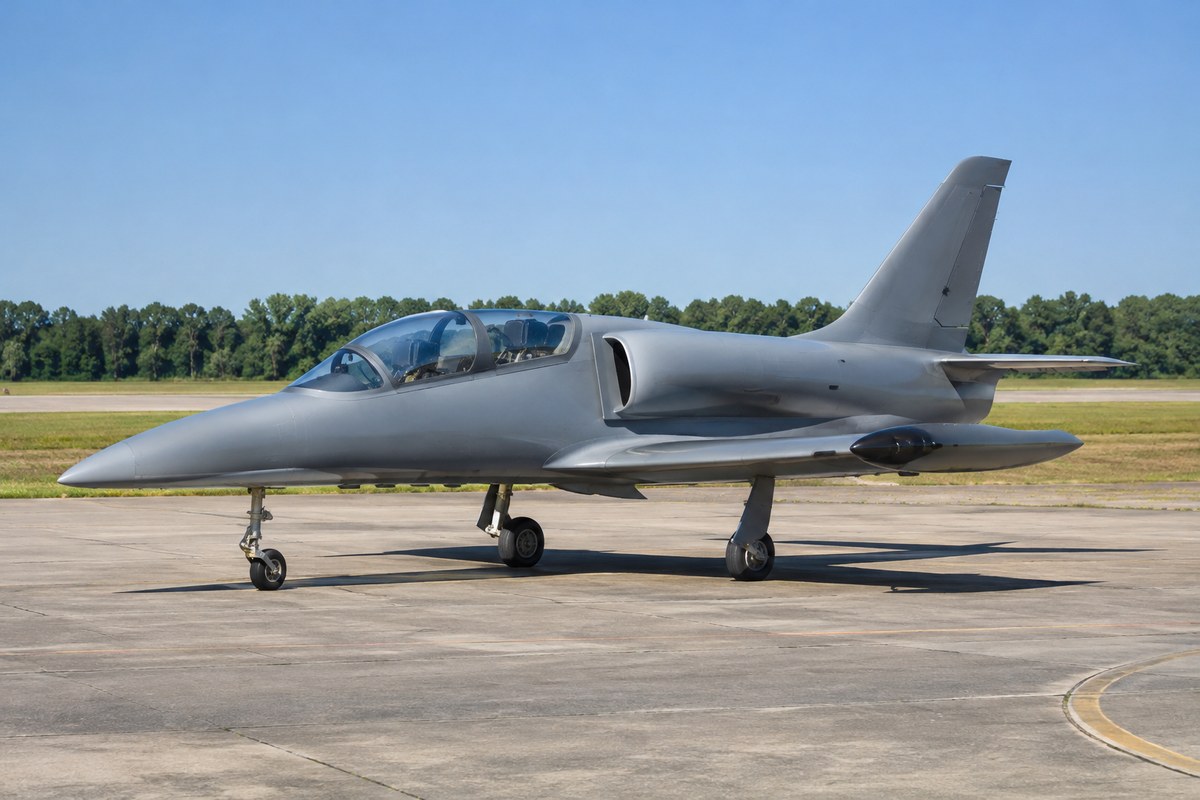
Airport security cameras and a witness recorded the taxi and departure. The report describes the departure roll as "unremarkable." The airplane then rotated and its wings rocked. About six seconds later, two loud, metallic crackling sounds were heard, an object fell from the airplane onto the runway, and a puff of smoke came from the exhaust tailpipe. The airplane entered a left bank, descended and disappeared several seconds later. A similar plane flown by Michaels' daughter landed safely.
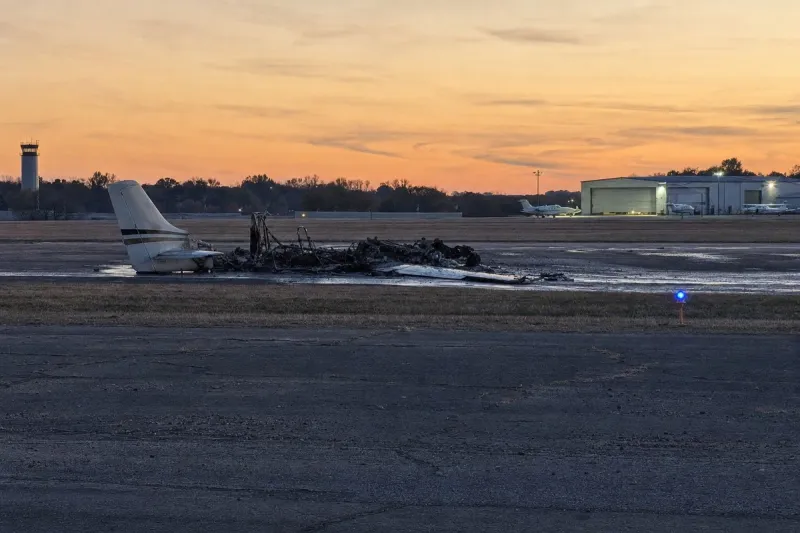
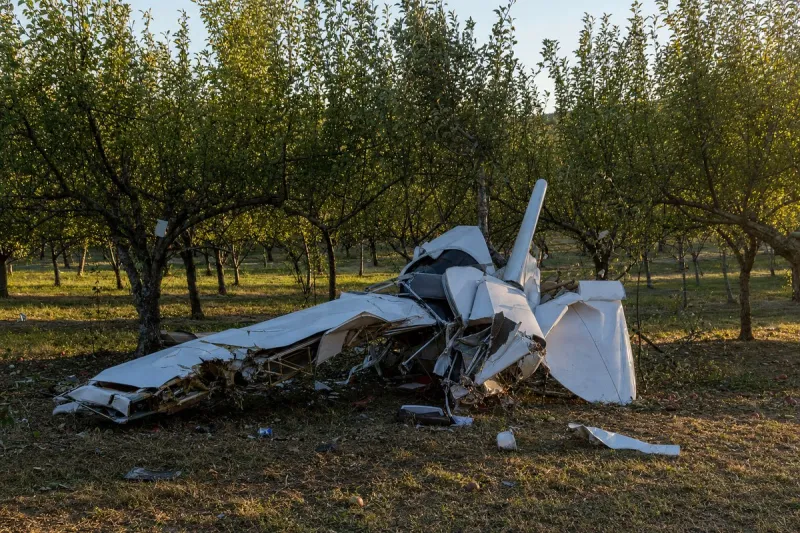
The airplane struck a harvested corn field about half a mile west of the departure end of the runway. The wreckage path extended approximately 560 feet. It began with a series of long, shallow impact craters, followed by a deep culvert containing burned foliage, a landing gear door and the right aileron. The main wreckage was thermally damaged and the surrounding field burned.
The fuselage broke into two sections aft of the wings. The cockpit, fuselage center section and wings came to rest upright facing northwest, while the engine and empennage came to rest partially inverted facing southeast. Earlier in the month, the Federal Aviation Administration released preliminary findings indicating the aircraft crashed under "unknown circumstances." Both the FAA and NTSB are investigating, with the NTSB leading, and the wreckage was retained for further examination.
Industry impact & what to watch
A preliminary report is a record of observed events, not a finding of cause. Here it documents the sequence from rotation to impact, but it assigns no mechanism for the sounds, the falling object or the smoke. That gap is normal at this stage of an NTSB investigation, and it is why the FAA's own early wording was "unknown circumstances."
For operators and owners of jet warbirds and similar privately held ex-military types, the practical consequence is a long wait. The final report identifying the probable cause and any contributing factors is expected in 12 to 24 months, so any maintenance, inspection or procedural lessons from this accident will arrive well after the fact. Until then, the wreckage examination is the step that could connect the object on the runway to the in-flight events.
The next dated milestone is that final report. If the wreckage examination ties the runway debris to a specific component, the probable-cause finding would be the document to read for what it says about that part and the departure sequence.