Universal Sky Carrier Flies First Airbus A340-600 Charter From Cape Town to Antarctica's Wolfs Fang Runway
Why It MattersPolar charters show how seasonal contracts can anchor winter revenue for small wide-body operators, while the ageing four-engine fleets that serve them face rising maintenance costs and tightening spare-parts supply.
What happened
Universal Sky Carrier (USC), a charter airline based in Frankfurt, completed its first long-haul flight to Antarctica on October 31, 2026. The flight opens a five-year agreement with British tour operator White Desert and marks the start of the 2026/2027 Antarctic summer season, which runs from late October.
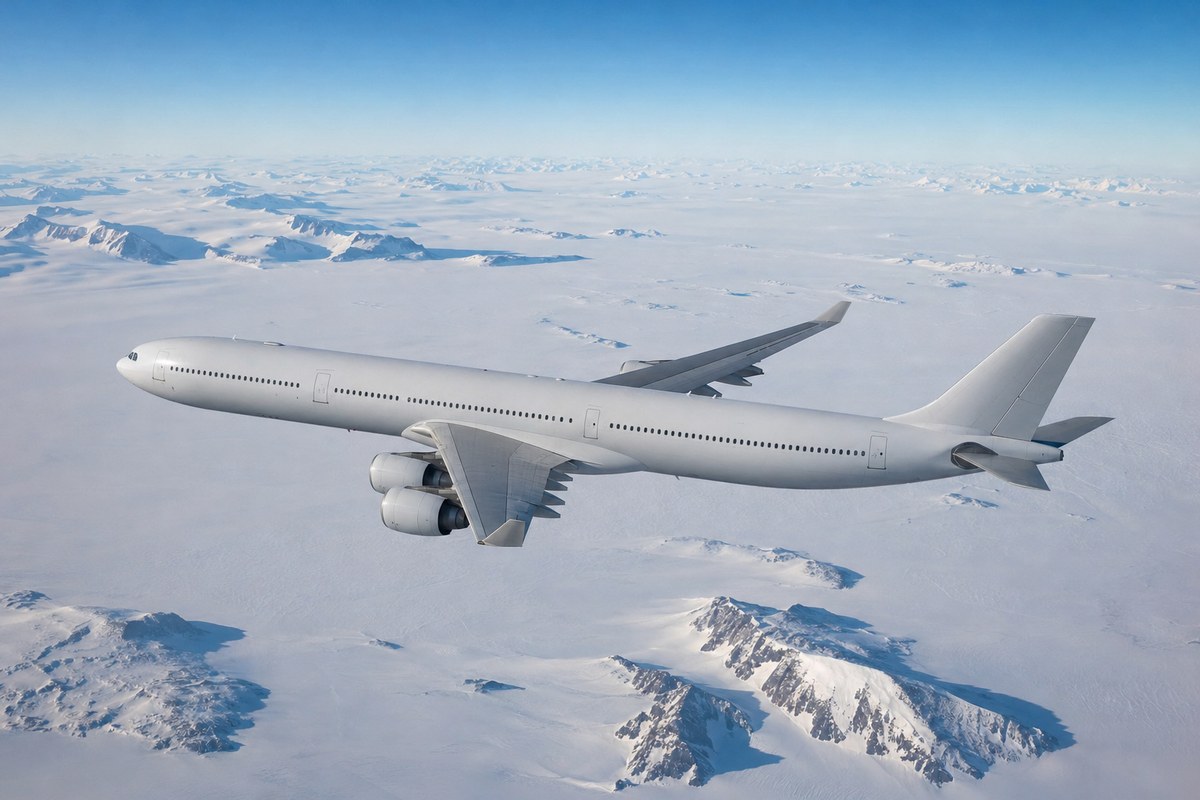
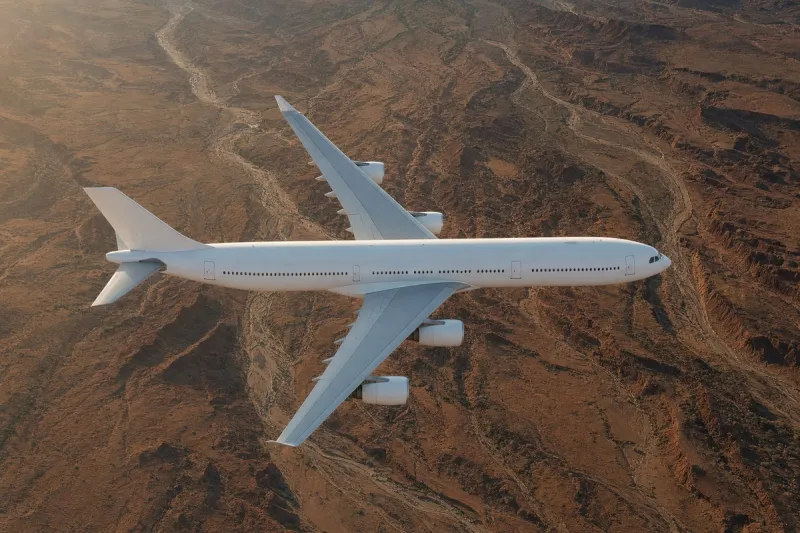
The aircraft was an Airbus A340-600, registration D-AUSY, serial number 848. It departed Cape Town International Airport in South Africa and landed on the blue-ice runway at Wolfs Fang in Queen Maud Land, East Antarctica, after a flight of roughly five to six hours across the Southern Ocean.
D-AUSY is about 18.6 years old. It was delivered to Deutsche Lufthansa in 2008 and flew intercontinental routes as D-AIHU before being retired during the pandemic and later acquired by USC. It has four Rolls-Royce Trent 556 engines, and its range and fuel capacity cover the full round trip from Cape Town without refueling in Antarctica. Its large underfloor hold can carry expedition and supply cargo alongside passengers.
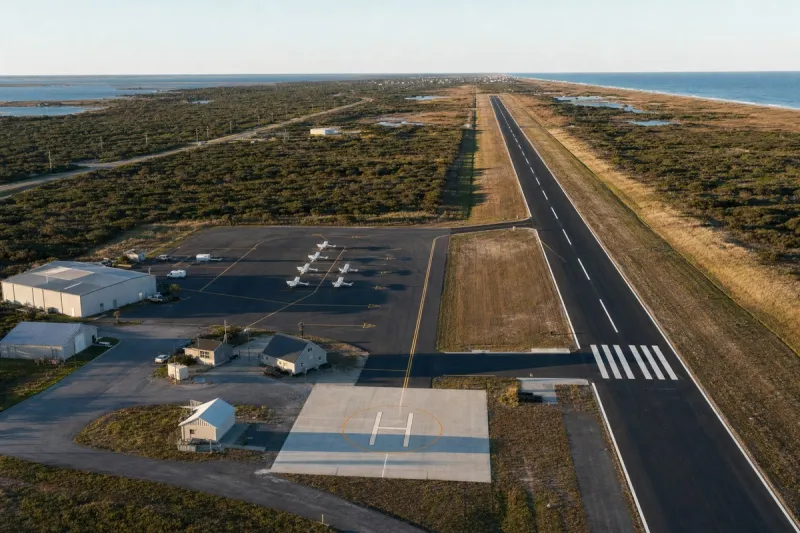
The Wolfs Fang runway lies at about 1,000 meters above sea level and is made of compacted glacial ice rather than asphalt or concrete. It measures around 3,000 meters by 60 meters and needs constant grooming to provide braking traction. The site has no conventional terminal, no radar approach aids and no permanently staffed fire station in the usual sense. Landings rely on visual rules or satellite-based navigation, and because no alternate airports exist along the route, the aircraft must carry enough fuel to return to Cape Town.
The operators involved
White Desert specializes in high-end expedition travel to the Antarctic interior and operates remote camps as well as logistics for scientific facilities. In recent years it relied on airlines such as Hi Fly of Malta and Icelandair, which flew wide-body aircraft including the Airbus A340-300 and the Boeing 757 and 767.
USC is a relatively young airline based at Frankfurt Airport. It initially focused on cargo and wet-leasing operations with used A340 aircraft and has faced economic challenges and delayed operating permits.
Industry impact & what to watch
A five-year seasonal contract changes the economics for a small wide-body operator. The Antarctic season falls in the Northern Hemisphere winter, when European charter demand is weak, so the agreement gives USC predictable revenue in a period that would otherwise be thin. For a carrier with a history of delayed permits and economic strain, a fixed multi-year commitment from a single customer matters more than any one flight.
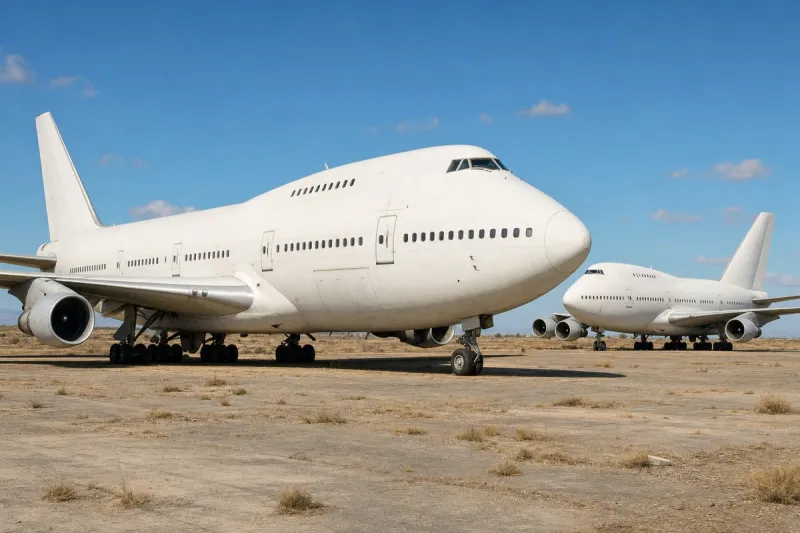
The operating model also shows why such work tends to go to older aircraft. Polar ice-runway flying needs range, fuel capacity and a large hold, and a used four-engine type can supply all three at a low acquisition cost. The trade-off is running cost: older four-engine aircraft entail higher maintenance and fuel costs, and spare-parts supply is becoming harder as airlines retire the type.
The measure of the contract will be how the 2026/2027 season runs on the A340-600, in particular how reliably the aircraft can complete the Cape Town round trip with no alternate airport and no refueling at the destination.