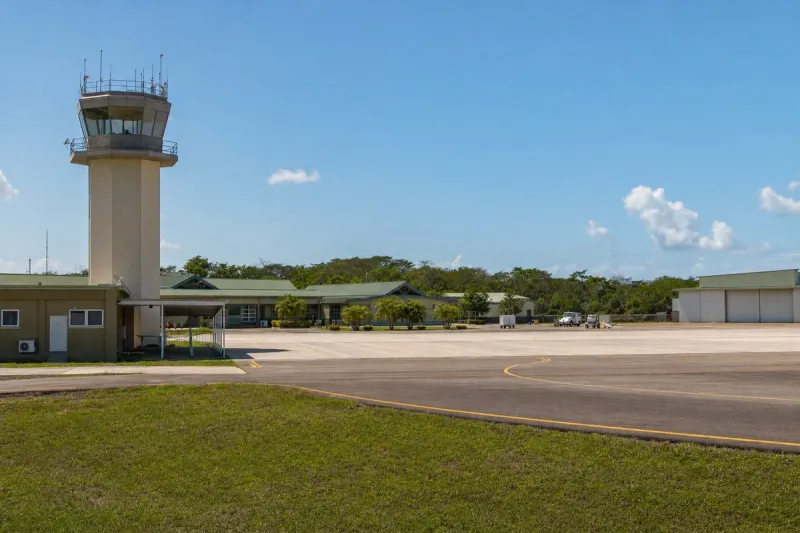
US FAA Telecom Failure Prompts Caribbean Aviation Preparedness Concerns
Why It MattersDelays rippling from a single US gateway disruption into Caribbean schedules show how dependent island carriers and airports are on infrastructure and air traffic systems they do not control.
What happened
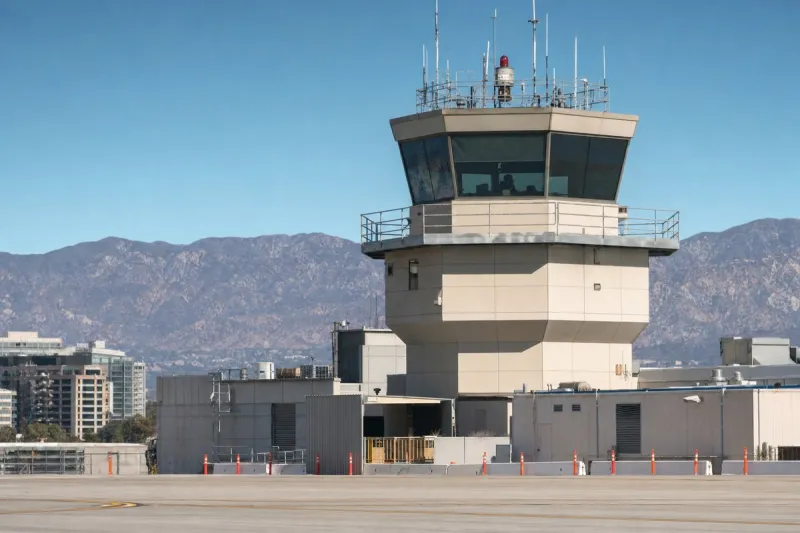
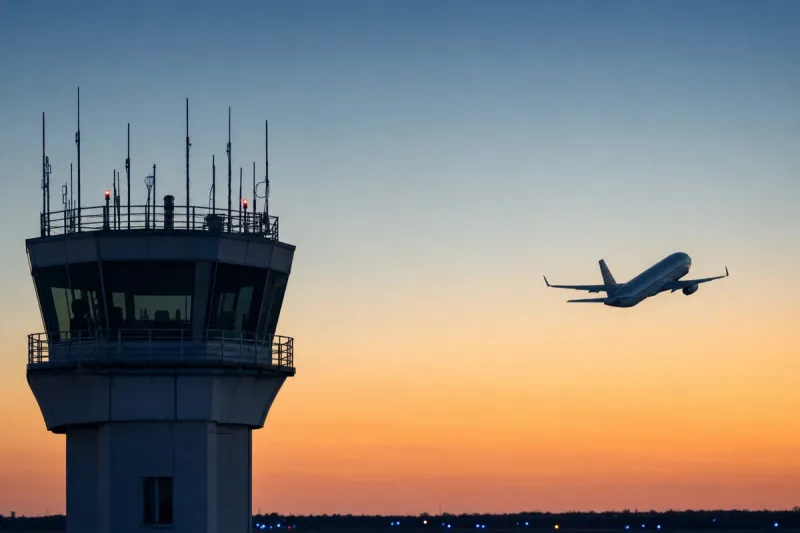
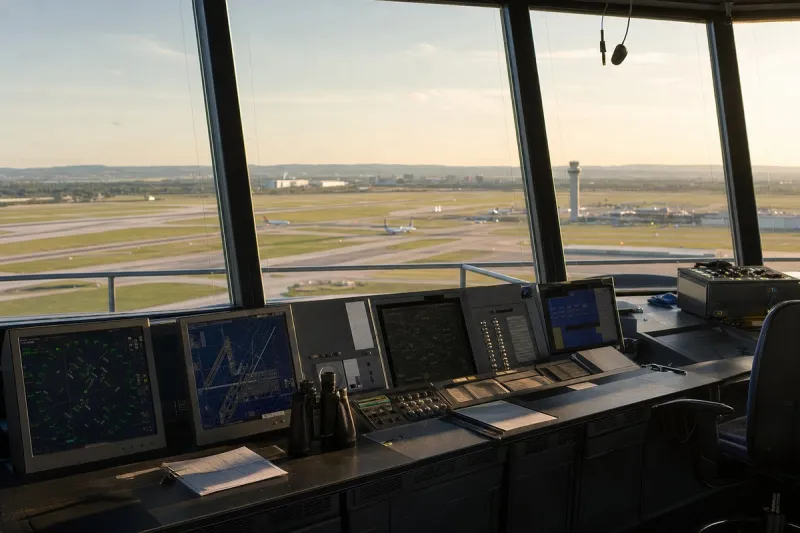
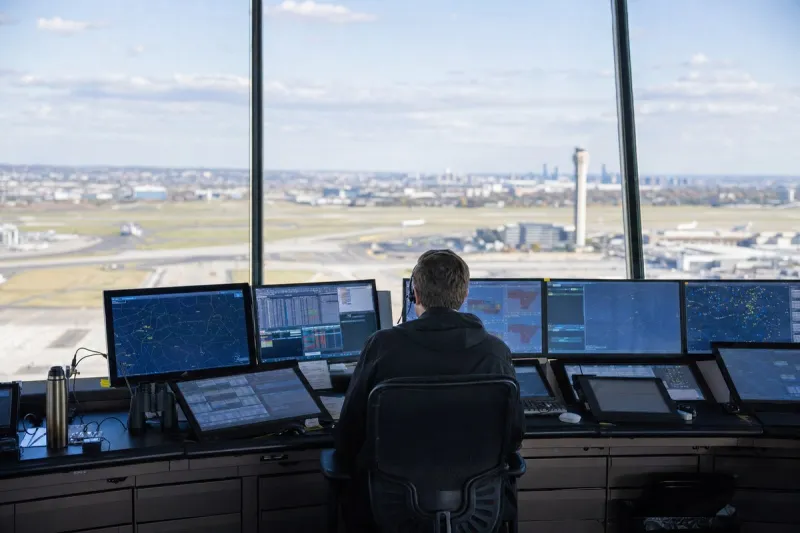
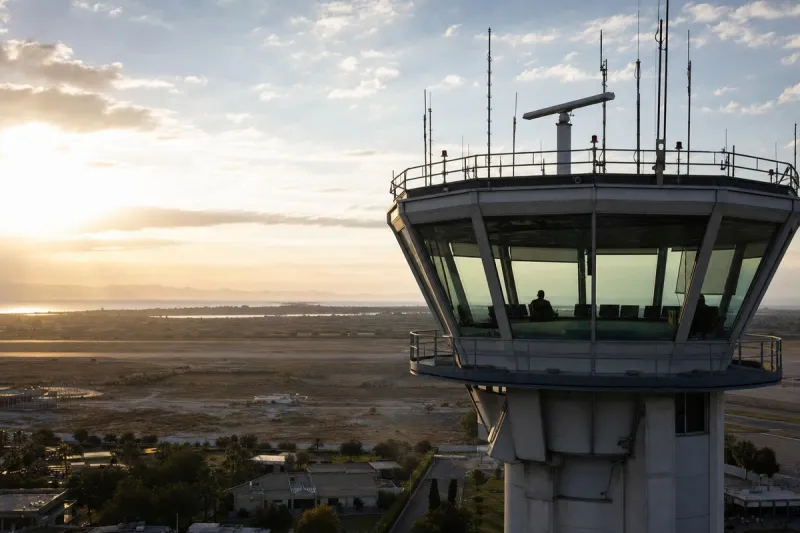
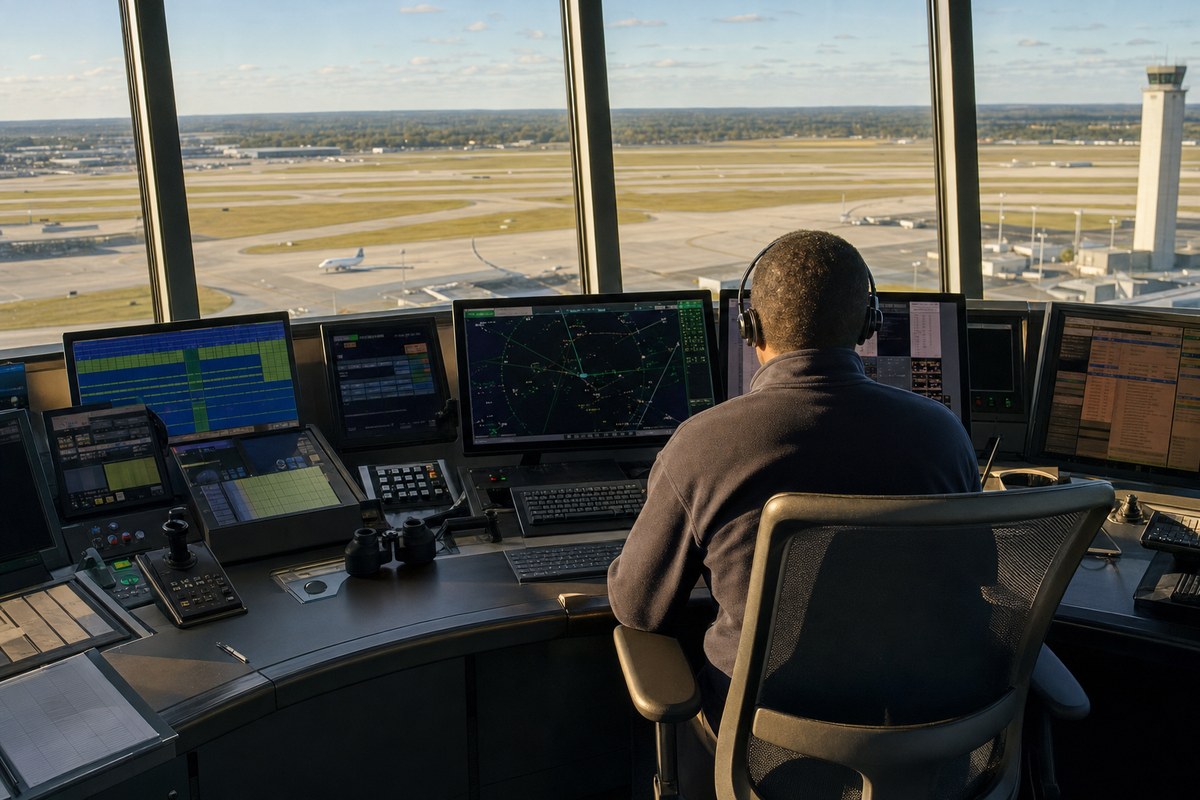
A telecommunications failure within the US Federal Aviation Administration (FAA) on Friday, 13 November disrupted radar systems used by air traffic controllers. Authorities grounded departing flights while controllers handled aircraft already in the air, and all aircraft landed safely.
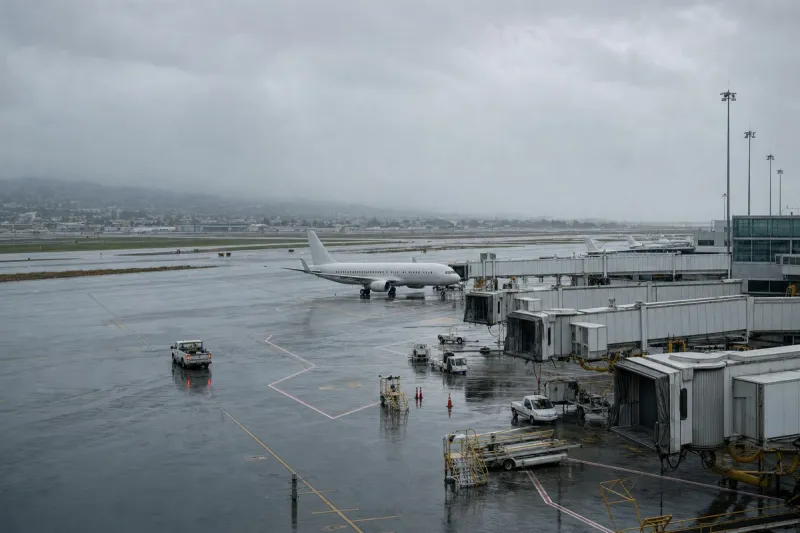
Two American Airlines flights bound for the United States were delayed at VC Bird International Airport in Antigua that evening. Ambassador Michael Strachan, Chief Operating Officer of the Bahamas Aviation Climate and Severe Weather Network (BACSWN), explained on Observer AM that disruptions at major US gateways can cause delayed arrivals, missed connections, changes to hotels and transfers, and cancelled holidays for Caribbean travellers. Airlines must also reposition aircraft and crews and accommodate displaced passengers even after systems are restored.
Strachan said the decision to ground departures was appropriate because it limited the number of aircraft entering an already disrupted system, but that the incident exposed weaknesses in the wider system. He is also a permanent representative to the International Civil Aviation Organization (ICAO). He called for Caribbean countries to strengthen their own aviation systems and gain greater regional control over airspace management and air traffic systems, and said modern-looking airports do not necessarily have the operational infrastructure for safe and efficient air travel. He urged more attention to telecommunications, backup power, surveillance systems, weather services and equipment maintenance.
Strachan added that reliable weather information supports decisions on routes, fuel, delays and alternate landing sites, and that improved weather observation could also strengthen regional hurricane forecasting. He urged Caribbean governments, regulators and airlines to test emergency plans through joint regional exercises simulating a major disruption at a US gateway while Caribbean airports operate with reduced capacity. Those exercises would involve airports, airlines, air traffic services, meteorological agencies, immigration authorities and emergency management officials.
Industry impact & what to watch
Caribbean services to the United States depend on a small number of large US gateways, so a fault in one national system can disturb schedules thousands of kilometres away. Even when the ground stop is short, the cost lands later: aircraft and crews are out of position, passengers need rebooking and accommodation, and the knock-on affects the following day's rotations. For smaller island airports with limited capacity to absorb displaced passengers, that recovery burden is disproportionately heavy.
The case also shows why resilience is a question of unglamorous infrastructure rather than terminal appearance. Backup power, surveillance, communications links, meteorological services and equipment maintenance determine how an airport and its air traffic service perform when something upstream fails. Regional control over airspace management is a longer-term structural question, and it is a proposal from one official, not a decision by any government or regulator.
The concrete next step is the joint regional exercise Strachan urged: a simulated major disruption at a US gateway, run across airports, airlines, air traffic services, meteorological agencies, immigration authorities and emergency management. Whether any Caribbean regulator or government commits to scheduling one is the signal that would show the call turning into action.