Air Ambulance Transport of Obese Patients Requires Planning Beyond Body Weight, Says MTI 24/7 COO
Why It MattersBariatric air ambulance missions show that aircraft capability depends on cabin geometry, stretcher certification and ground handling at both ends, not on a single weight figure, so safe planning is multi-party coordination.
What happened
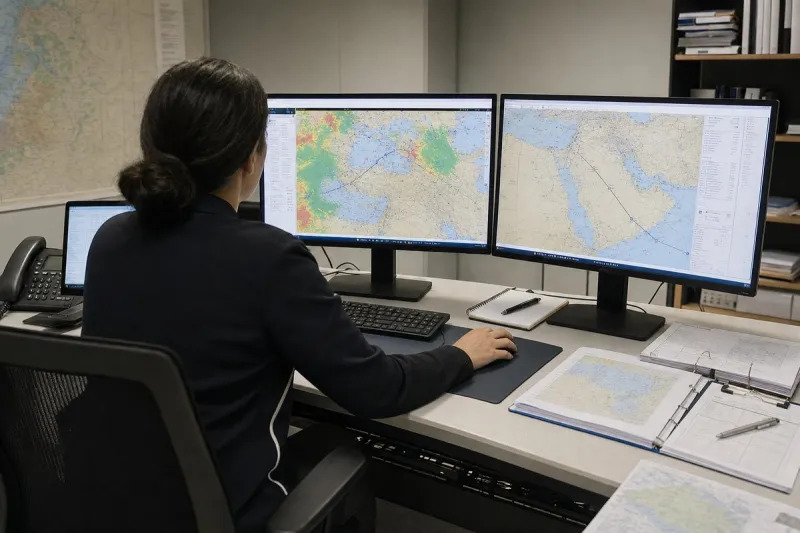
Sebastian Demiet, chief operating officer of MTI 24/7, says air ambulance transport of patients with obesity-related health issues is an especially complex mission, and that body weight alone does not capture the requirements. Patient size, medical condition and physical restrictions must be weighed against the technical limits of the aircraft, and precise data on weight, body dimensions and relevant measurements should be gathered in advance.
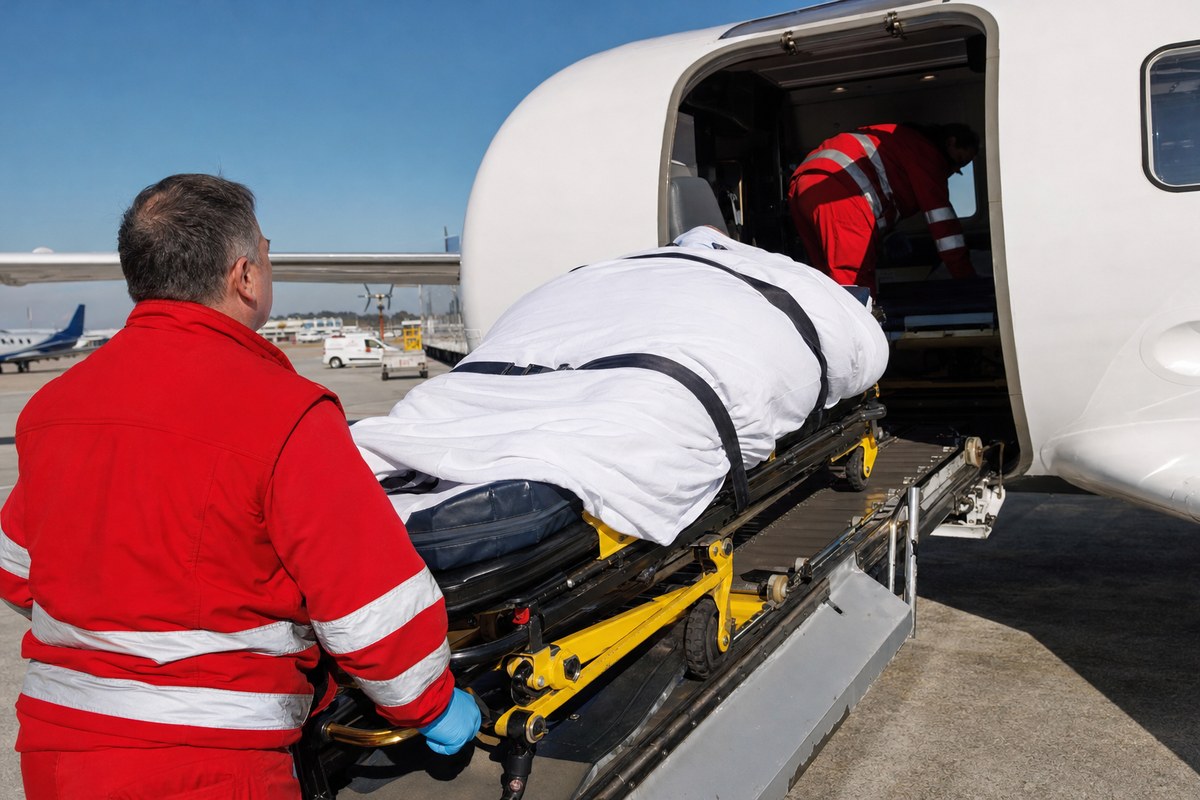
Ground transport has to be planned at both ends of the flight. A standard road ambulance is often unsuitable, and specialised bariatric ambulances or additional equipment such as lifts may be needed.
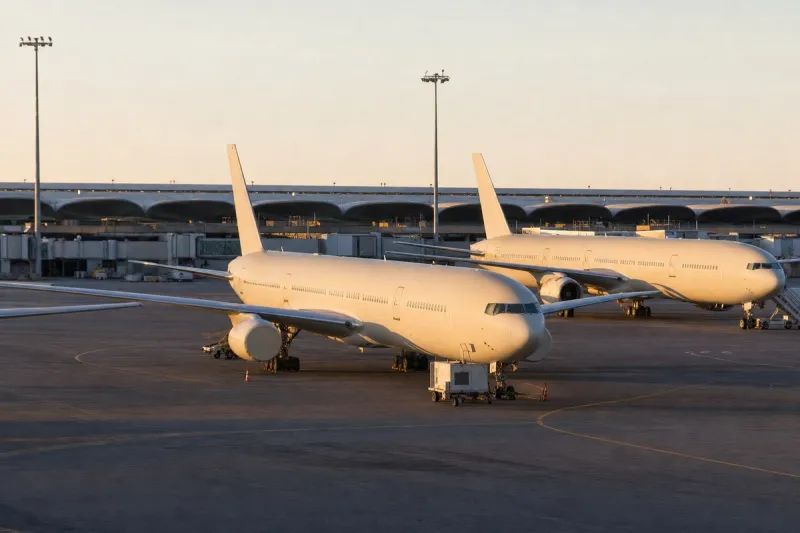
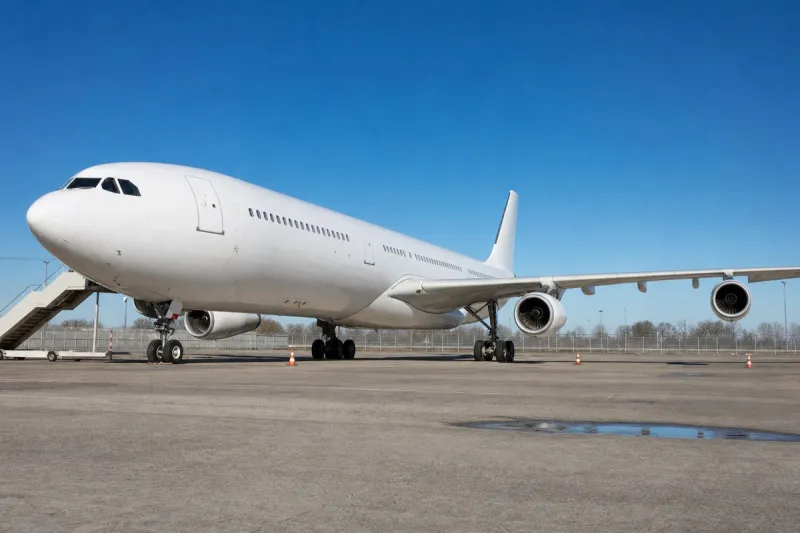
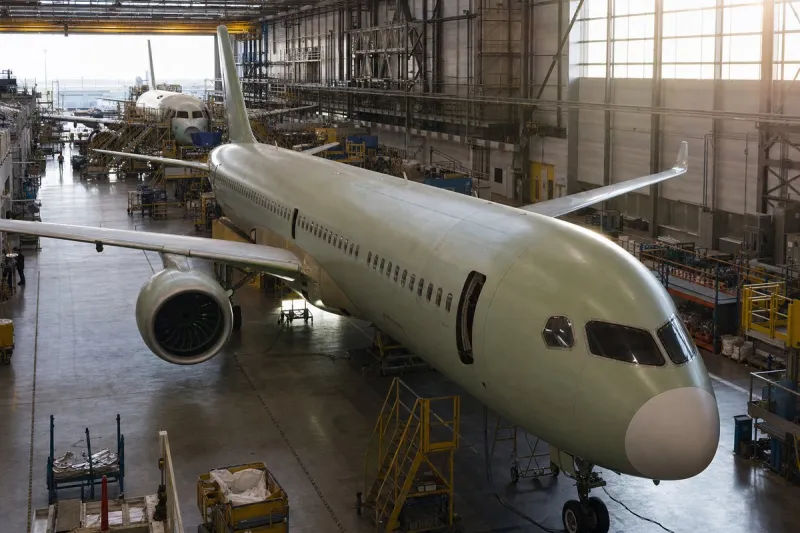
On aircraft choice, Learjet aircraft are popular with air ambulance operators for range and speed, but their relatively small cabins can create problems for patients who need large stretchers. Door sizes, loading facilities and approved medical installations also matter in larger aircraft. The Pilatus PC-12 has a rear cargo door that eases loading of medical equipment, but as a turboprop it has range and speed limitations compared with jet air ambulances. The combined weight of patient, stretcher, equipment, medical staff, fuel and luggage must stay within approved limits.
Stretchers must be certified for use in the aircraft and rated for the patient's weight; a wider stretcher is not necessarily approved for a heavier patient. If a stretcher transfer is not possible, a different aircraft or a bariatric configuration may be needed.
Medical and handling requirements
Respiratory risks include reduced respiratory reserve, obstructive sleep apnoea and obesity hypoventilation syndrome, though some patients have no respiratory problems. Lying flat can strain breathing, so some patients may need upper-body elevation or extra oxygen, and severe cases may require mechanical or non-invasive ventilation.
Loading and unloading may require additional staff, mechanical assistance and coordinated handling rather than manual transfer. The medical team, staffing numbers and equipment should be settled beforehand, and the cabin must give the team room to reach the patient.
The referring hospital, road ambulance company, medical staff, airport handler and receiving facility may be in different locations or countries, so all must understand the requirements. Demiet also stresses that discussions about body measurements and equipment limits should be handled respectfully and discreetly.
Industry impact & what to watch
The case illustrates how air ambulance capacity is defined by a chain of constraints, not a headline payload figure. Cabin dimensions, door size, stretcher certification, weight-and-balance limits and the range-versus-loading trade-off between jets and turboprops each narrow which aircraft can fly a given patient.
It also shows that the mission is only as strong as its weakest link on the ground. Road transfer, airport handling and the receiving facility all have to be matched to the aircraft, which is why this segment depends on coordination across several parties, sometimes in different countries, rather than on the operator alone.
A practical way to test any proposed mission is to check the stretcher rating, aircraft loading path, medical team space and ground vehicles together, since a pass on one item does not carry the others.