Ibu Volcano Ash Plume Reaches 7,000 ft, VAAC Darwin Advisory Says
Why It MattersRepeated low-level ash advisories show how volcanic hazard becomes a recurring flight-planning variable, with the advisory cycle itself, not a single eruption event, setting the operational rhythm for nearby airspace.
What happened
The Volcanic Ash Advisory Center (VAAC) Darwin issued an advisory on Nov. 21, 2026, at 23:26 UTC reporting an ash plume from Ibu volcano rising to an estimated 7,000 ft (2,100 m), or flight level 070. The plume was moving southeast at 10 knots, and explosive activity at the volcano continues.
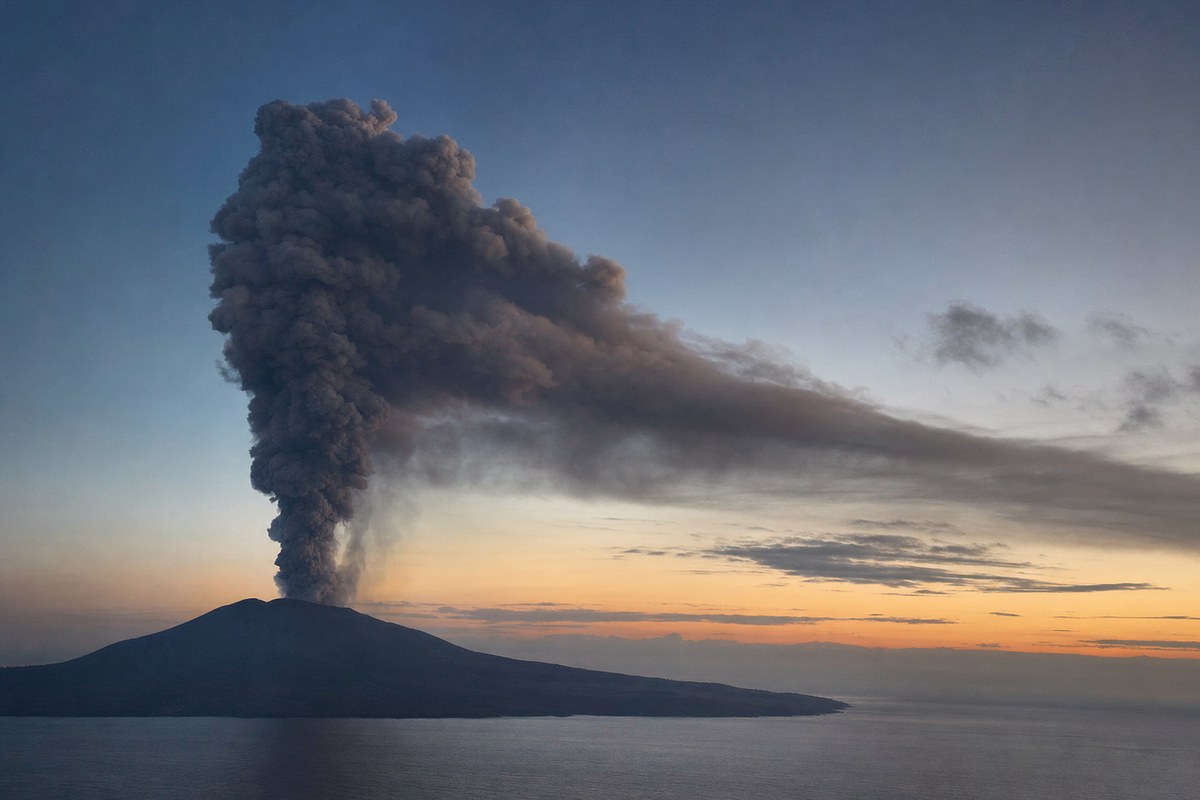
The next advisory was scheduled to be issued no later than 05:30 UTC on Nov. 22. A volcanic ash advisory provides information about airborne ash and its effects on aviation.
Earlier advisories on Nov. 21 (11:22 UTC) and Nov. 20 (23:26 UTC) also reported ash plumes to 7,000 ft.
Industry impact & what to watch
Volcanic ash advisories are the working tool the aviation system uses to manage a hazard that cannot be forecast like weather. Three consecutive advisories carrying the same plume height point to sustained activity, which means dispatchers and flight planners treat the area as a standing consideration for route and altitude selection rather than a one-off disruption.
A plume near flight level 070 sits below typical cruise levels, so the exposure is concentrated in departures, arrivals and lower-altitude operations near the volcano. Ash concentration and plume drift matter more here than the headline height, and the southeast movement at 10 knots defines which corridors the advisory text is describing.
The next scheduled VAAC Darwin issuance, due by 05:30 UTC on Nov. 22, is the point at which plume height and drift direction will either be reconfirmed or revised.